


The forced cuts in centralized solar and wind power generation by the National Electric System Organizer (ONS) to avoid compromising the grid, known as curtailment , are forcing energy companies to seek alternatives to mitigate losses – which reached R$ 6.5 billion last year for the 1,500 centralized renewable plants affected by the cuts.
Many companies have relinquished permits for the construction of new solar and wind power plants, others have opted for portfolio reduction through asset sales, or implemented drastic cost cuts, including staff layoffs.
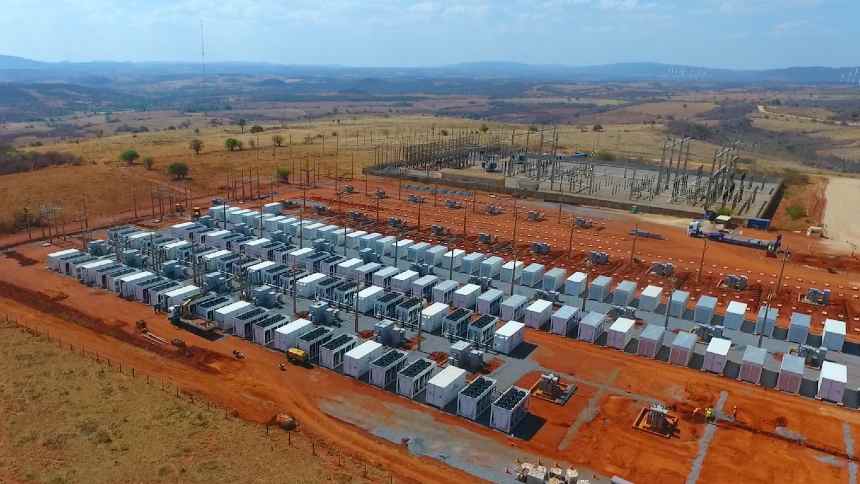
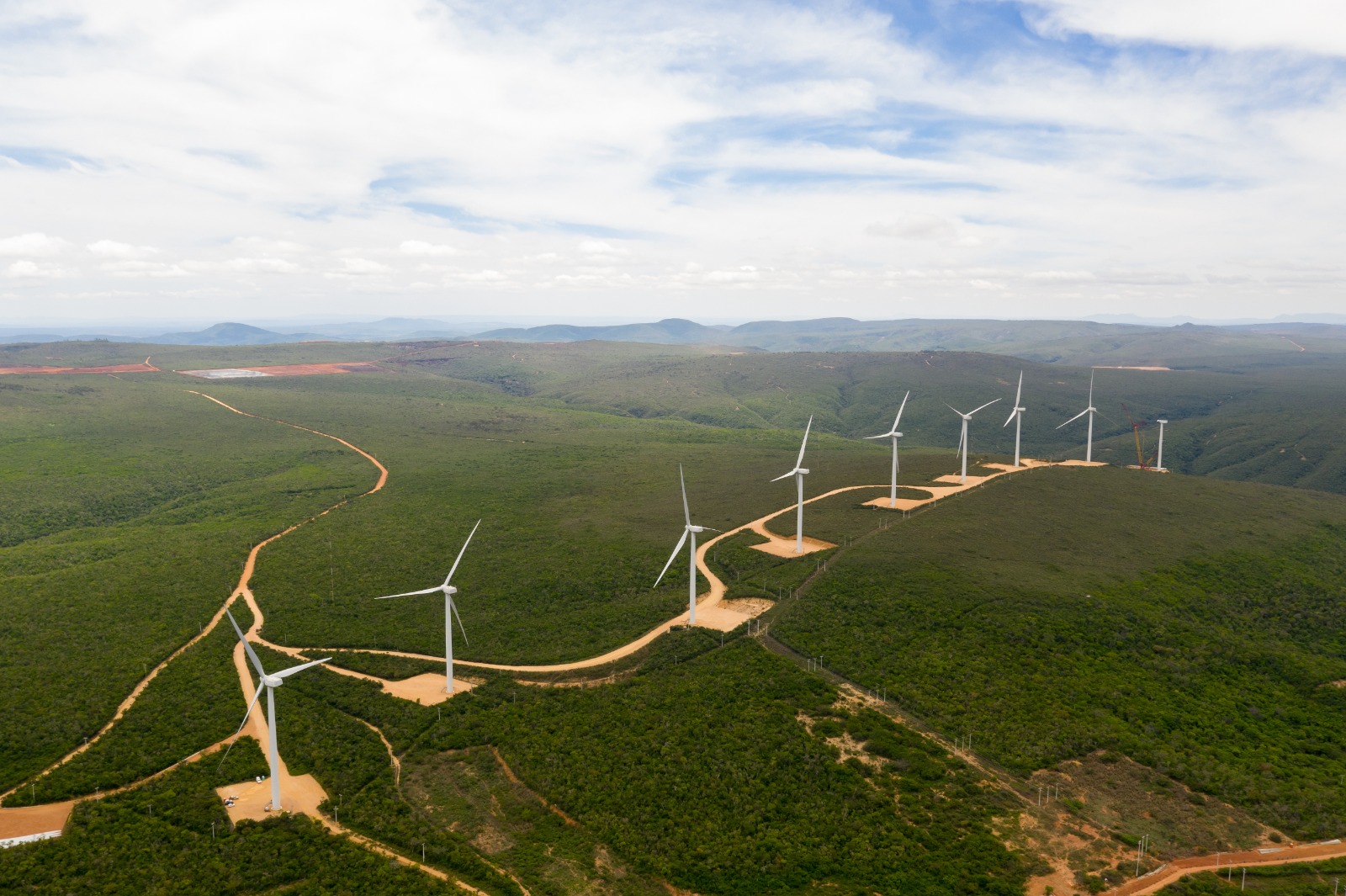
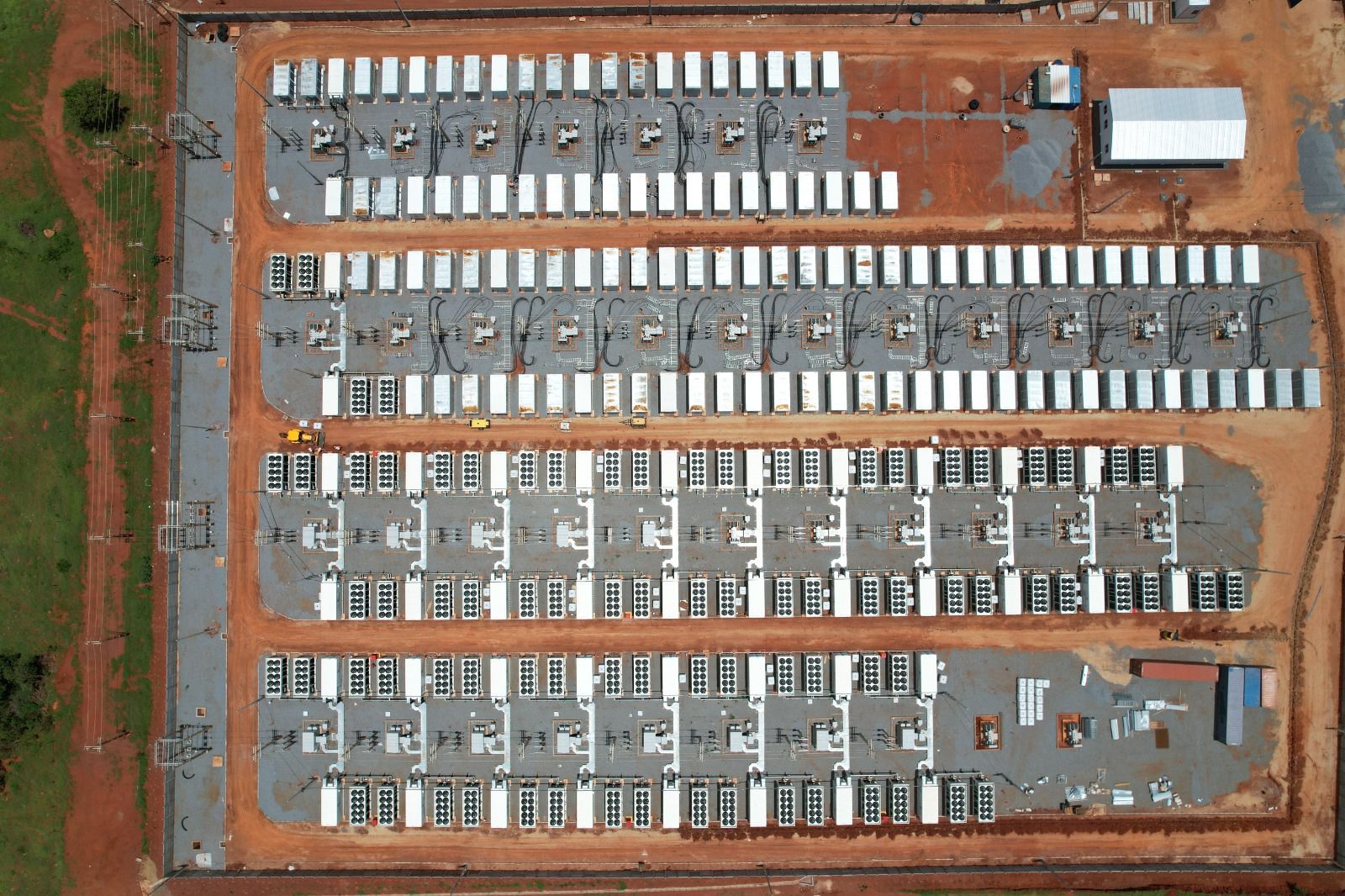
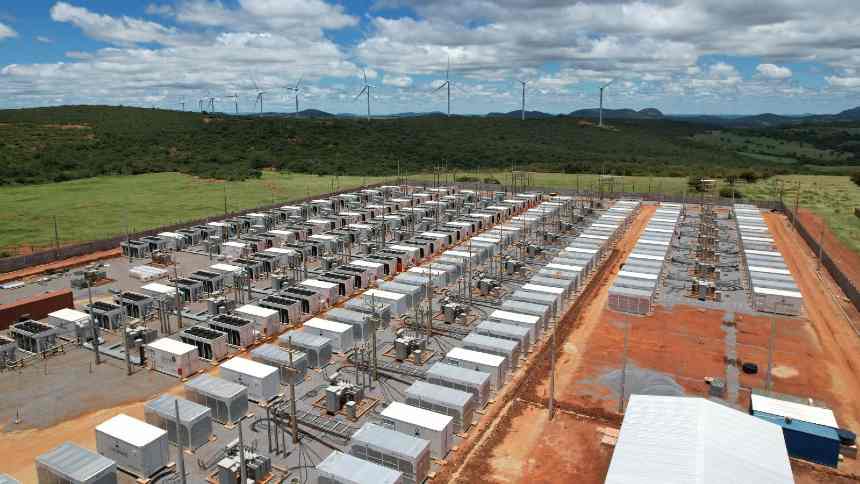
Renova Energia , a publicly traded company that was one of the pioneers in installing large-scale wind farms in the country, has opted for a creative solution: the construction of a set of 85-megawatt (MW) energy-consuming data centers around its Alto Sertão III Wind Complex, with 26 plants located between the municipalities of Igaporã and Caetité, in Bahia.
Dedicated to cryptocurrency mining, the data center leverages the power generated by the wind turbine blades, which are directly connected to the wind farm's substation. When the generated energy is prevented from being fed into the grid by the National System Operator (ONS), the power is directed to the data center.
“We needed to do something different to get different results, otherwise we wouldn’t be able to survive,” says Sandro Yamamoto, director of new business, regulation and institutional relations at Renova, to NeoFeed .
With 1.2 gigawatts (GW) in projects developed, implemented, and operational across four northeastern states, Renova also operates solar power plants and is considered one of the major players in the country's renewable energy sector.
But, in addition to facing the nightmare of curtailment – the average cut in energy generated at the Alto Sertão III Wind Complex last year was 30% – the company faced financial challenges between 2018 and 2020 and emerged from bankruptcy protection in February 2025.
“We concluded that there was no point in fighting for compensation for the curtailment losses; we accepted that they would be frequent and studied various ways to increase revenue, until we arrived at the data center solution,” Yamamoto adds.
The first step was to send the company's technical team abroad to learn about the projects that best suited the infrastructure of the Bahia complex. The chosen model was the Tier 1 data center – which requires less redundancy in power supply, cooling, and connectivity, and offers flexibility in consumption.
This means that the data center does not consume energy 100% of the time. "This flexibility allows for reduced load during certain periods, adapting to electrical system conditions and outages, making the solution compatible with curtailment challenges," adds the executive.
In practice, with this model, the wind farm complex is able to divide the energy generated between the grid and the data center.
“For these 26 power plants, there are substations that collect our generation and then carry our energy to large substations in the main grid,” says Yamamoto. “We installed this data center next to this collector substation, which is ours.”
Business model
The next step was to put the business model into action. On one front, a team from the company sought to map all the difficulties in making the project viable, from the physical infrastructure in the complex area to regulatory problems with clients – Renova also has an energy trading arm.
Extensive planning involving energy production was then carried out. "To calculate how much energy we would use in the data center, we had to list the sales contracts we had - those that were expiring, we decided not to renew," reveals Yamamoto.
For the remaining contracts, Renova purchased the necessary energy on the market to meet these commitments, freeing up some of the generation capacity for data centers.
Another area of the company sought potential clients for the new business. The project, valued at R$1 billion, was divided between Renova and data center companies – Yamamoto does not reveal how many or which ones, due to contractual requirements, but NeoFeed learned from sources in the electricity sector that at least three data center companies, two of them large cryptocurrency mining companies and another smaller one, have already signed contracts.
Renova provides the energy generation, as well as all the necessary infrastructure for the partner company to arrive and set up operations, including land, environmental, electrical, civil, mechanical, connectivity, and security aspects. The partner company finances the heavier part – the equipment that processes the data.
What is striking is how quickly the project went from planning to reality and began yielding results. "The first contract was signed in March of last year, construction began in May, and by October we were already starting the first power supply," says the Renova executive.
The infrastructure for the 85 MW power consumption plant is already complete, including electrical, civil, and mechanical components, such as containers and transformers. Currently, computers totaling 42 MW of data generation capacity are assembled, tested, and operational. The remaining computers will arrive soon and should be operational within three months at the most.
Yamamoto reveals that, in practice, the data center is already alleviating the curtailment problem at the Alto Sertão III Wind Farm Complex.
“In January, when the operational data center infrastructure was small, our cut was around 65% of the energy produced,” he reveals. In March, with a good portion of the equipment running, the cut dropped to 17%. “We went from leading the curtailment ranking to being off the list in just two months,” he celebrates.
Victor Hugo Iocca, director of Electrical Energy at Abrace Energia – an association representing large consumers of electricity and natural gas – considers Renova's initiative to take advantage of the energy potential of the wind farm to be positive.
“The solution to reduce curtailment of centralized renewable power plants, especially in the Northeast, involves increasing energy consumption close to generation,” says Iocca. “With the transmission reinforcements planned by the ONS (National System Operator), curtailment tends to decrease, but I consider the investment in battery storage systems in existing plants to have greater potential to mitigate outages and integrate renewables efficiently,” he adds.
The growth potential of data centers focused on cryptocurrency mining is evident – Renova was a pioneer, but now several projects with this purpose are starting to emerge. Most data center companies keep their plans secret, but the sector has already detected at least six projects in other regions of the country.
Among the companies that have already announced projects, two stand out. Enegix Latam, a global giant that announced last year the signing of a memorandum of understanding with the government of Piauí to install a bitcoin mining data center in Parnaíba.
The data center in Piauí, with a capacity of up to 100 MW and a budget of US$120 million, will operate using renewable energy and state-of-the-art infrastructure. Enegix already operates two similar mega-structures in Kazakhstan, with capacities of 150 MW and 100 MW.
Axia Energia uses renewable energy to mine bitcoins at its headquarters in Rio de Janeiro, in a kind of pilot project.
“The goal of the bitcoin operation is not to generate financial resources, but rather to test, on a small scale, the technological and infrastructure needs of a data center operation, in aspects such as energy consumption, data processing, and cooling solutions,” Juliano Dantas, Vice President of Technology and Innovation at Axia, told NeoFeed .
Another reason is related to costs. "Despite having a similar technology and infrastructure demand to data center operations, bitcoin mining systems require cheaper data processing chips," adds Dantas.
The company also plans to set up another data center for bitcoin mining by the end of this year, likely in the state of Bahia, with a projected investment of R$ 10 million.
Yamamoto, in turn, states that Renova foresees the expansion of infrastructure at the Alto Sertão III Wind Complex. “We are also preparing our entire region to receive other types of data centers, Tier 2 and Tier 3, which require greater redundancies and more robust investments,” he says. “We already have the infrastructure prepared, including land, property ownership, and environmental aspects, to add another 600 MW of consumption.”
According to him, Brazil is a highly friendly country for data centers to establish themselves: abundant renewable energy and many available regions. And these data centers can now help reduce the excessive number of power outages in the centralized renewable power plants of the Northeast.
In practice, the data center installed in the Renova complex is even benefiting renewable energy plants from competing companies.
“Under normal conditions, when there are no power cuts, our plants are injecting less energy into the grid because we are supplying the data center,” says Yamamoto. “In other words, it is likely that, at that time, other renewable energy plants in the region that could be shut down will end up being spared.”