


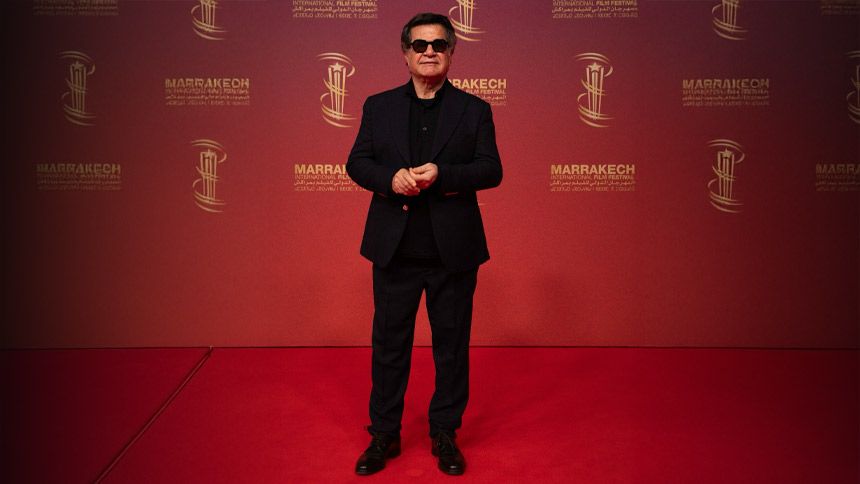
Marrakech - Iranian filmmaker Jafar Panahi already knows what awaits him at home, regardless of the fate of * It Was Just an Accident* , confirmed in the second week of December on the shortlist for the Oscar for best international film. "There's a price to pay," said the 65-year-old filmmaker, recently sentenced to another year in prison for "propaganda actions" against his country's theocratic regime.
“For more than three months, I have been working day and night on the film's Oscar campaign, from country to country. Although the sentence came out in the middle of this process, as soon as I finish the campaign, I will return to Iran as quickly as possible,” Panahi stated at the recently concluded 22nd edition of the Marrakech International Film Festival (FIFM).
Since the conviction in absentia had just been announced in Iran, Panahi preferred not to give an interview in Morocco – possibly on the advice of his lawyer, Mostafa Nili, who intends to appeal the decision. Even so, he presented * It Was Just an Accident* at a gala screening and fulfilled his commitment to participate in Conversations, an event aimed at film professionals and students, which was covered by NeoFeed .
On the stage of the Meydene cultural center, the director made it clear that he is not afraid of returning to prison. For criticizing the totalitarian regime and denouncing repression through his works, Panahi has already been imprisoned twice. "I know that the films I make don't please my country's government, but that's no reason for me not to go home," said Panahi, to great applause from the Moroccan audience.
In addition to the one-year prison sentence, the ruling issued by the 26th Chamber of the Islamic Revolutionary Court in Tehran includes a two-year ban on leaving Iran and a prohibition on associating with any political or social organization. International media learned of the conviction thanks to a post by lawyer Mustafa Nili on the social network X.
“There are only two types of filmmakers,” said Panahi, who was honored in October at the 49th São Paulo International Film Festival with the Humanity Award. “There are those who chase after the audience, being sensitive to the needs, tastes, and expectations of those who buy tickets. They represent 95% of filmmakers today,” he explained.
The remaining 5% are directors who aren't necessarily concerned with what the viewer wants to see: "If you're part of that 5%, like me, you make the films you want, say what you need to say, and let the audience come to you or not. And when you do what you think is right, you don't submit to the power of anyone."
Still, the filmmaker suffers the consequences of his actions. “If you’re in a Western country, the price to pay is usually economic. In a country like mine, it’s political. I’ve always been aware of that, which didn’t stop me from making this choice,” commented Panahi, who represents France in the race for the Oscar for best international film.
In this category, It Was Just an Accident is one of Brazil's main rivals, along with The Secret Agent , and Sentimental Value from Norway.
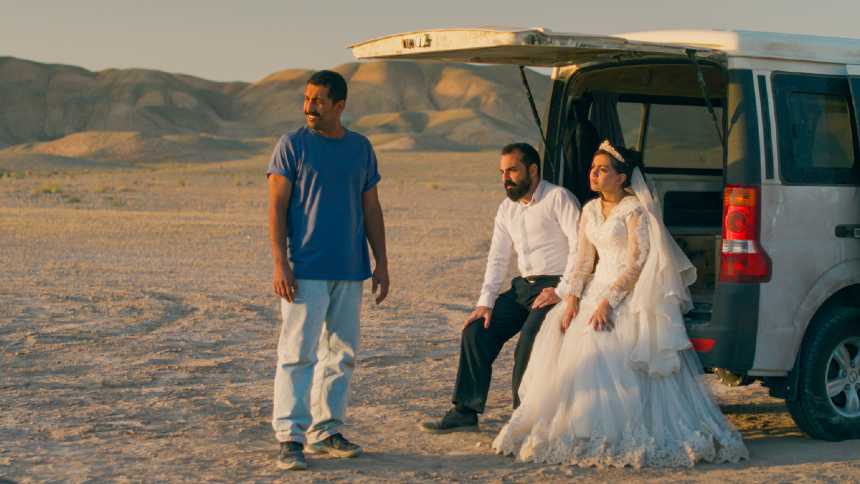
The maneuver of "It Was Just an Accident" representing another country is justified by its being a co-production between Iran and France, where the director also did the post-production of the drama. Winner of the last Palme d'Or at Cannes, the film follows former political prisoners who kidnap the possible man who tortured them. While seeking confirmation of the tormentor's identity, they question the idea that violence can only be repaid with violence.
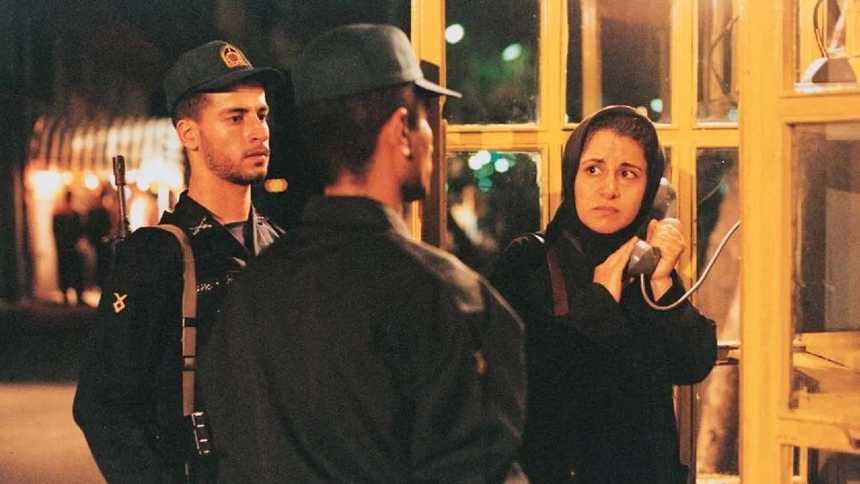
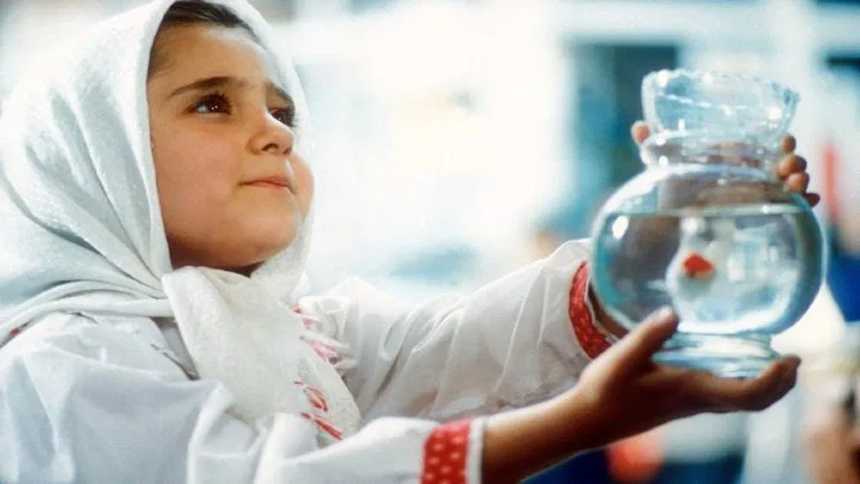
Panahi began to suffer persecution 25 years ago, starting with his third feature film, The Circle , which exposes the oppression of women in Iran after the 1979 Islamic Revolution. His first two features, The White Balloon (1995) and The Mirror (1997), already discussed social issues in Iran, but managed to circumvent censorship because they were films shot with children – traditionally, children's films tend to go unnoticed by censors.
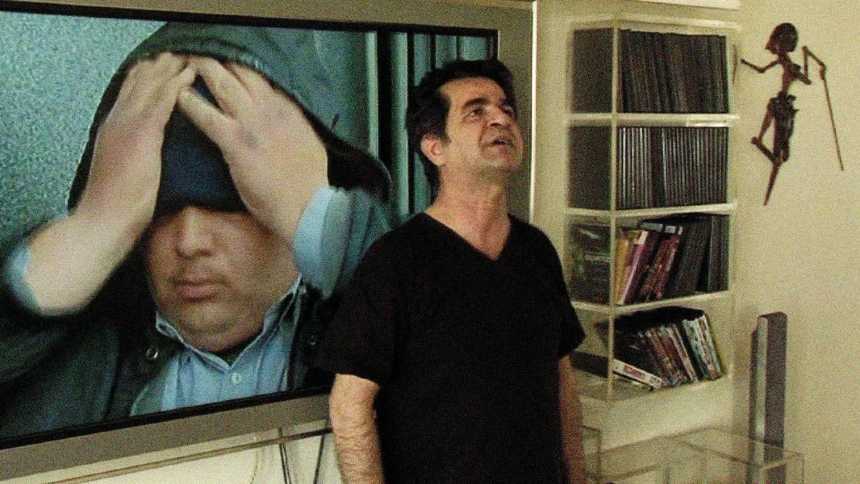
His first conviction came in 2010, on charges of "crimes against national security" and "propaganda against the government." Panahi was sentenced to six years in prison and banned from working for 20 years. This meant he could not make films, give interviews, or even leave Iran to participate in international film festivals.
In 2011, he was placed under house arrest, which did not prevent him from driving illegally.
“Upon receiving that sentence, I started thinking about a solution to continue filming. That's how This Is Not a Film [2011] was born,” recalled the director, referring to the film based on his own ban on working, showing his frustrating routine as he envisioned and described the film he couldn't make.
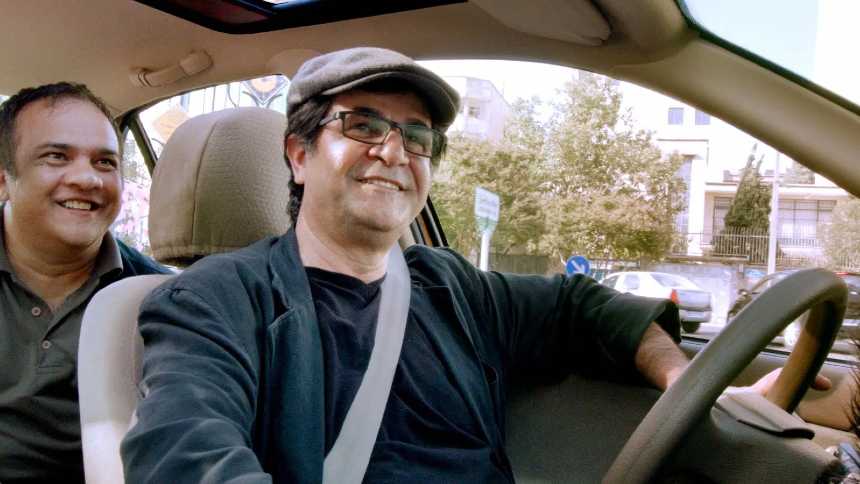
It was while thinking about another way to film, even without permission, that Taxi Tehran (2015) was born, with the filmmaker acting as a driver through the city streets to hear what his compatriots had to say about the regime. "I put a camera in my car just so I could make a film with my passengers' stories."
Panahi was imprisoned for the second time in 2022 while seeking clarification on accusations against another Iranian filmmaker, Mohammad Rasoulof. This director was nominated for the Best International Feature Film Oscar this year for The Seed of the Sacred Fruit , representing Germany.
Detained for almost seven months, Panahi only managed to leave prison in 2023, after a 48-hour hunger strike. And as soon as he returned to the streets of Tehran, the filmmaker began planning It Was Just an Accident, shot in 25 days, with a reduced crew and with a third of the story set in a van, so as not to arouse the suspicion of local authorities.
“Despite the opportunities I’ve had, even in the most difficult years, I never considered leaving my country and living as a refugee anywhere else,” said Panahi, in the final minutes of the event in Morocco.
“Everyone’s country is the best place to live, regardless of the problems. It is in Iran that I can breathe, find a reason to live and, above all, have the strength to create,” he adds.