

A few days ago, when announcing the ten best Native Art exhibitions of 2025, the American magazine First American Art Magazine included Indigenous Benches of Brazil: Rituals , on display in Brasília, at the Itamaraty Palace, the National Museum of the Republic, and the Memorial of Indigenous Peoples.
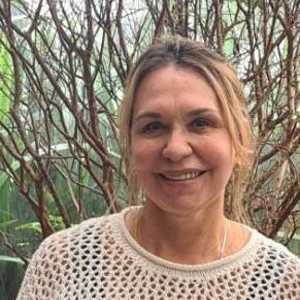
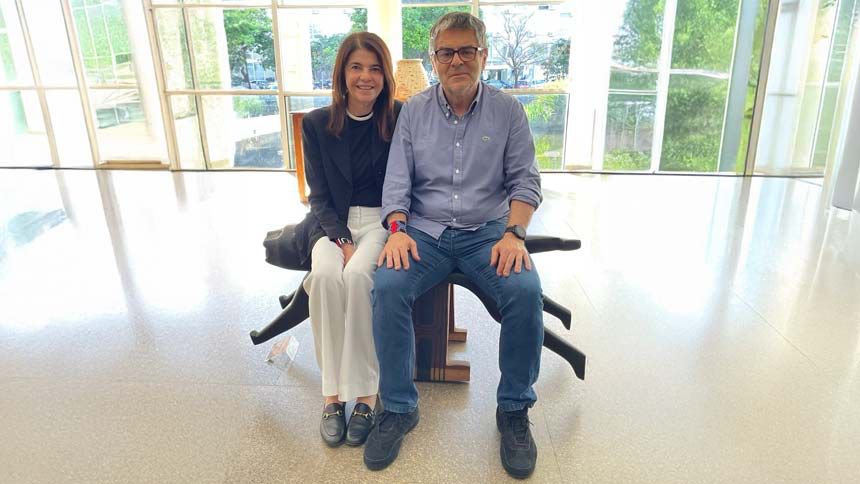
“This is very significant because it is the first exhibition of indigenous benches in public buildings in Brasília. And the largest ever held in the country. It is divided among three Niemeyer buildings, who, in fact, always exported us as modernity and made the world aware of the modernism of Brazilian architecture,” Marisa Moreira Salles, owner, with Tomás Alvim, of the Beĩ Collection, tells NeoFeed .
Considered one of the largest and most important collections of indigenous benches in Brazil, the collection has more than 1,300 pieces from various groups spread throughout the country — from the border with Guyana to Rio Grande do Sul. The exhibition, which closes in March, features 600 of these benches from 51 different ethnic groups.
Another exhibition was held at the Goeldi Museum in Belém, Pará, during COP 30 in November. "But for us it was important to be in Brasília this year, because until the end of 2026 Brazil will be the president of COP and many people will be passing through the capital," says Marisa.
She and Tomás started the collection by chance—for purely aesthetic reasons. After the initial enchantment, and over more than 20 years, their learning deepened. “Indigenous art goes beyond beauty; it preserves the individual characteristics of each ethnic group, transmits the cultural values of these peoples, and even their mystical universe,” explains Marisa. “Art has given us enormous learning opportunities. I say this with all the humility in the world.”
The collection has no commercial purpose and no piece is for sale. Marisa and Tomás have been trying to integrate these artists into the market so that they can sell their pieces directly and, in doing so, maintain their "know-how" and the lifestyle in which the benches are imbued with meaning.
“In these ethnic groups, stools are a commonplace, everyday object, but central to rituals. There are stools for shamans, chiefs, and women's stools. There are various distinctions in the stools that are part of rituals of seclusion, passage, gratitude for the harvest, for some healing, or in memory of the deceased,” she adds.
In Marisa and Tomás's view, the indigenous people are the first Brazilian designers . "I think we didn't have a deeper understanding of the significance of these ancestral peoples in the country, in our lives, of who we are. Why are we, Brazilians, the way we are?" the collector asks.
Initiated intuitively in 2000, the Bei Collection was a precursor to the appreciation of original art that now dominates contemporary art exhibitions in Brazil and abroad. For collectors, this type of art has never been a passing fad.
“I often say that the great lesson that indigenous peoples give us is the way they view the environment,” says Marisa. “They have a symbiotic relationship with other animals, with the forest, with plants in general. They don’t feel superior. They see each other as equals.”
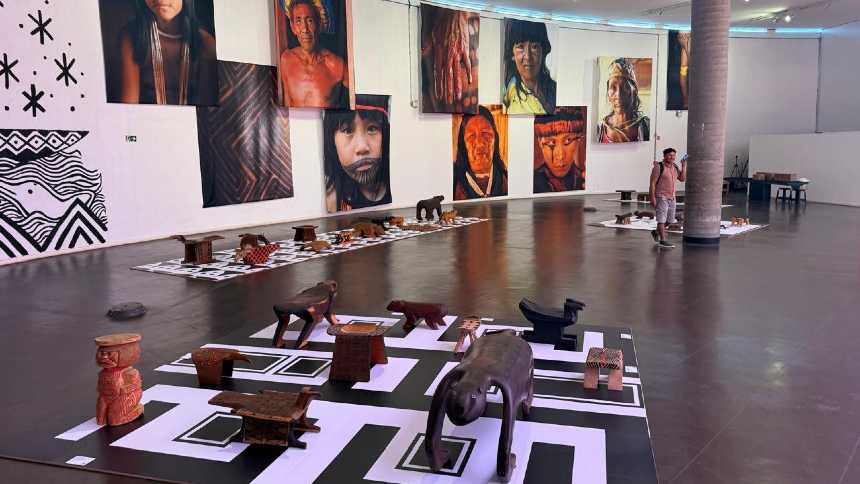
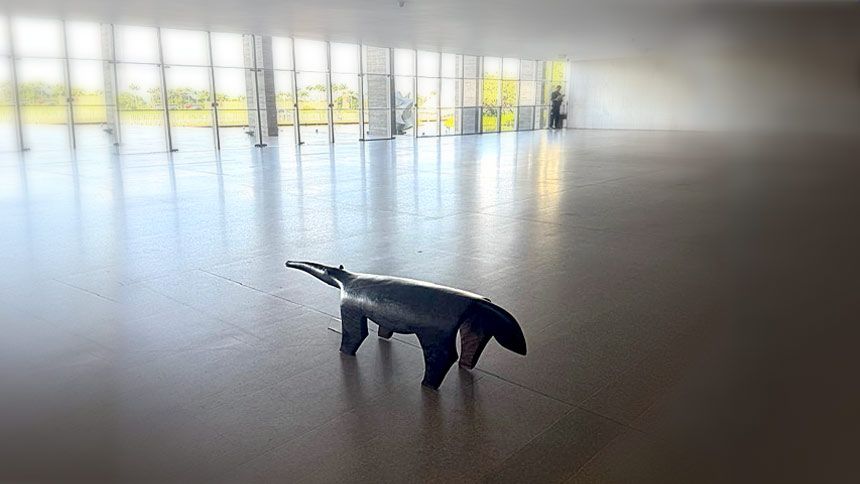
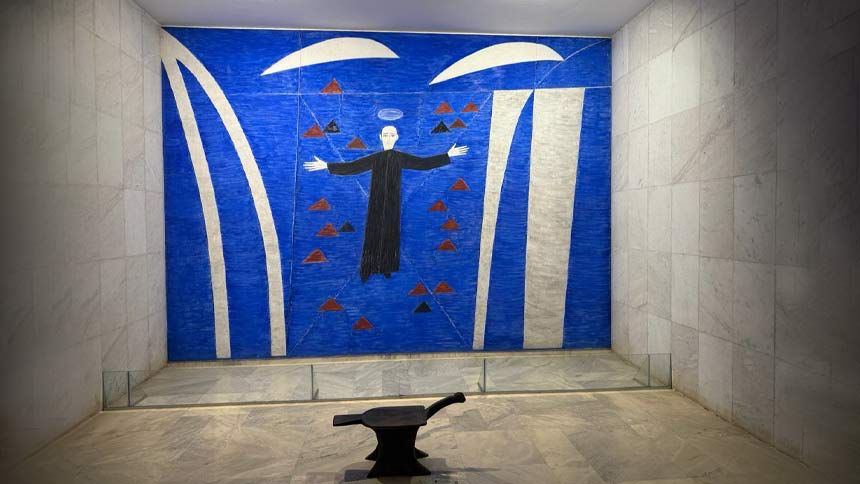
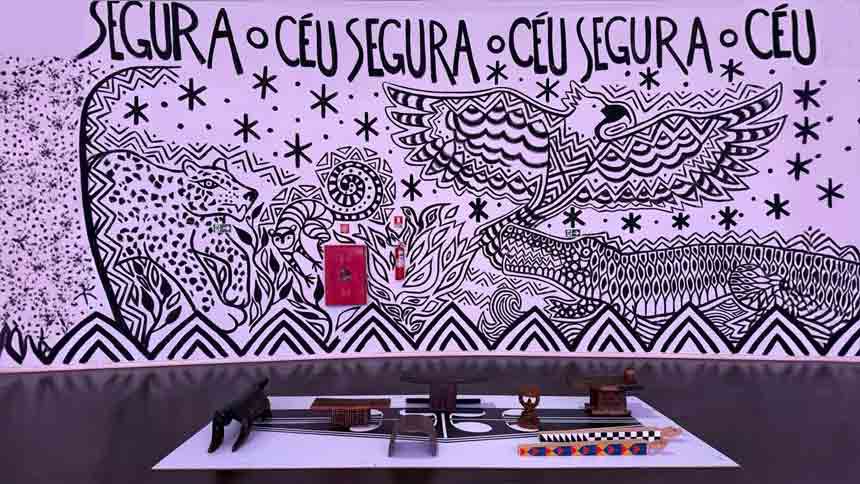
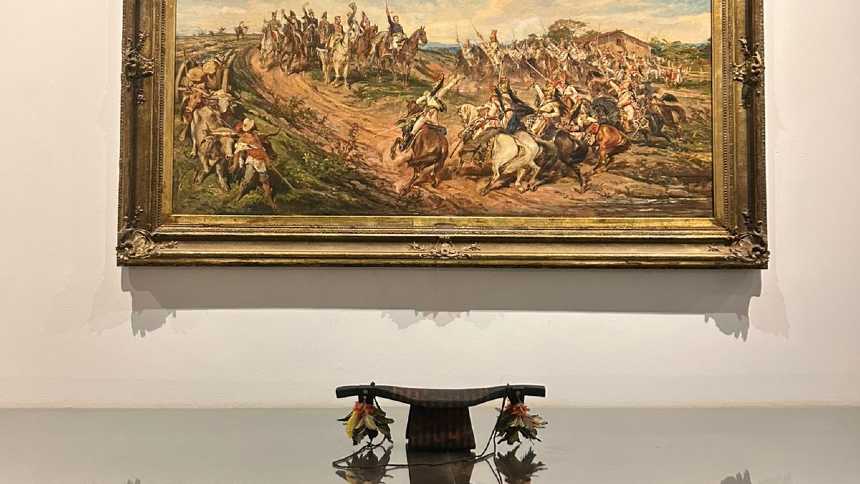
All the benches are made of wood and feature different paintings. Some are small sculptures, others large; most are shaped like animals. The graphic designs have also always been very important on indigenous bodies when painted for rituals. Today, in certain regions, there has been a migration of these body designs to the benches.
“There’s something interesting: the benches are heavy and made by men, but the women do the graphic design,” says Marisa. “This was an ephemeral art, executed on the body for parties, which now takes on a permanent, material, and lasting dimension.”
The benches have already been exhibited at the Teien Art Museum in Tokyo, Japan, and at the Kennedy Center in Washington, D.C., in the United States. In Brazil, they have regularly participated in SP-Arte with a space for direct sales.
“The indigenous people understand that the collection is a platform for showcasing their art. We don't sell it, but they have already made direct sales to Japan, Germany, and Mexico,” says Marisa.
The price of the banks varies according to size, elaboration and region: ranging from R$ 1,000 to R$ 20,000.
Obviously, when this work is recognized at art fairs, it also starts to enter some galleries.
“What completely changes the view we had of that bench, which was lost, full of dust, without knowing which artist was behind it, in a craft shop,” says the collector. “They feel that difference in status.”
The Brasília exhibition is also curated by a group of indigenous artists, including Akauã Kamayurá, Mayawari Mehinaku, Salomão Tikuna, and Rael Tapirapé, among others.