

Tokyo - As soon as the sun rises in Tokyo, business travelers and digital nomads flock to cafes and coworking spaces with high-speed internet. The Japanese capital, one of the most fascinating metropolises on the planet, is known not only for its excellent remote work conditions, but also for guaranteeing 24-hour entertainment.
Yes, Tokyo was chosen this year as the best destination for " workation ," combining work and vacation , a global trend since the popularization of remote work. After all, the city, which often resembles a science fiction movie set, impresses with its modernity, clean streets, efficient transportation, organization, and safety.
There, the police certainly spend more time helping tourists lost in the streets than fighting crime. And, at the same time, with its frenetic and pulsating rhythm, Tokyo simply doesn't sleep, which makes life easier for the jet-lagged visitor, who can hunt for something to do until the early hours of the morning.
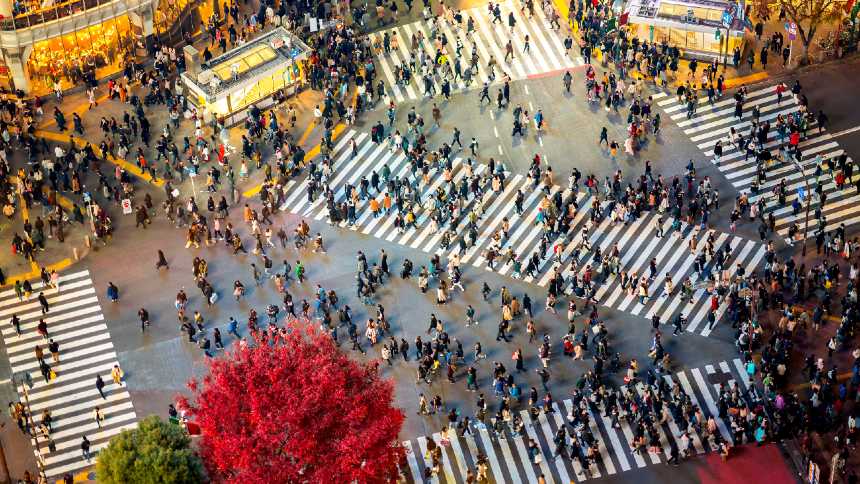
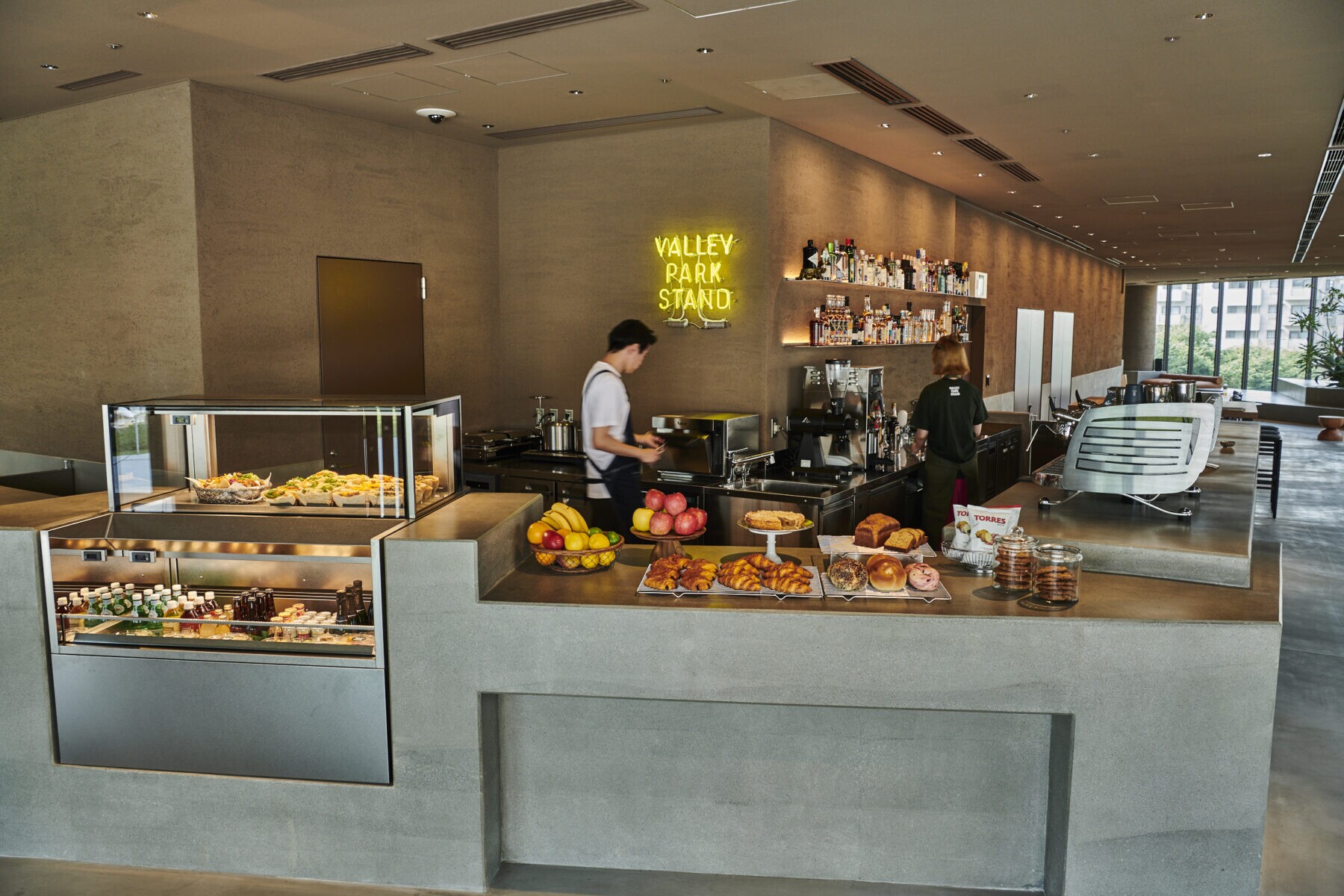
Day or night, there are people everywhere. One of the areas with the highest concentration of people per square meter is the Shibuya district, nicknamed the "human anthill." There you'll find the world's longest intersection, surrounded by buildings housing hotels, shops, karaoke bars, restaurants, and countless work-friendly cafes, such as the Freeman Café and the Valley Park Stand.
Indeed, there are many reasons why this metropolitan region, one of the most populous in the world with 33 million inhabitants, is a dream city for balancing work and leisure. Even the quality of food is a plus, as Tokyo remains the world's gastronomic capital, boasting the highest number of restaurants with Michelin stars.
Other criteria, such as climate, accommodations, sustainability, and culture, contributed to placing Tokyo at the top of the latest Remote Work Barometer . This is the name given to the annual survey conducted by the International Workplace Group (IWG), a Swiss company specializing in workspace solutions.
What also helped Tokyo achieve 91 out of 120 top points in the survey was its proximity to mountains, coastal regions, and national parks. "Ideal for hybrid workers seeking a stimulating urban atmosphere combined with nature getaways," as the IWG explains in its report.
Anna Ligia Pozzetti, from São Paulo, who regularly travels to Japan as a conference interpreter, agrees with the choice of Tokyo as a paradise for business travelers.
“The city offers the opportunity to wander in search of discoveries, with many options for rest and decompression,” Pozzetti, who holds a master's degree in economic history from Unicamp and researches the formation of capitalism in Japan, tells NeoFeed .
“At the end of the day, I have a universe of possibilities ahead of me. The city offers a vibrant atmosphere, but also havens of silence, nature, and tranquility. All of this recharges my energy and, I believe, positively impacts my productivity,” she concludes.
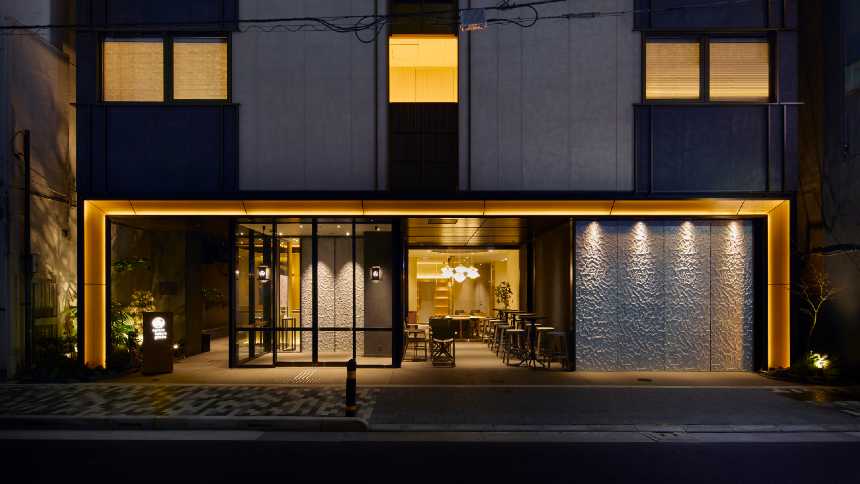
The rise of " workation " in Tokyo is further intensifying competition among hotels. The stylish Agora Tokyo Ginza offers two comfortable environments for "work, networking and relaxation": the Ichié Lounge and an outdoor space on the hotel's top floor, located in Ginza, one of the preferred neighborhoods for professionals interested in luxury shopping and fine dining in their free time.
“We are a Ginza retreat where fashion and culture blend during the day, and adults gather after work for a sophisticated nightlife,” says the hotel's general manager, Shigehiko Ito, in an interview with NeoFeed .
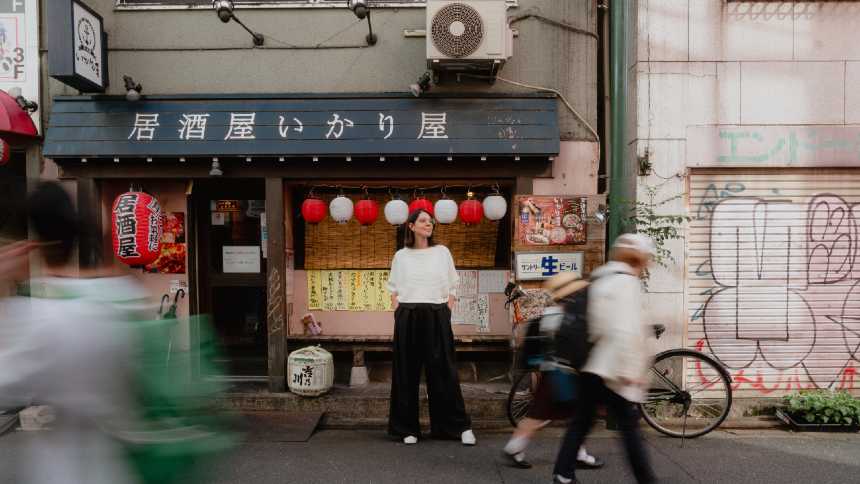
Another strategy used by hotels is to help with the physical fitness of those who come from afar and need to start working immediately, despite feeling groggy in the first few days.
“The focus of our breakfast is precisely well-being. It was created to alleviate the fatigue of long trips and start the day comfortably, with seasonal national ingredients and additive-free seasonings on the menu,” Yoshitomo Fujikawa, brand manager of the Shiba Park Hotel, which offers a “miraculous” vegetarian curry to start the day, told NeoFeed .
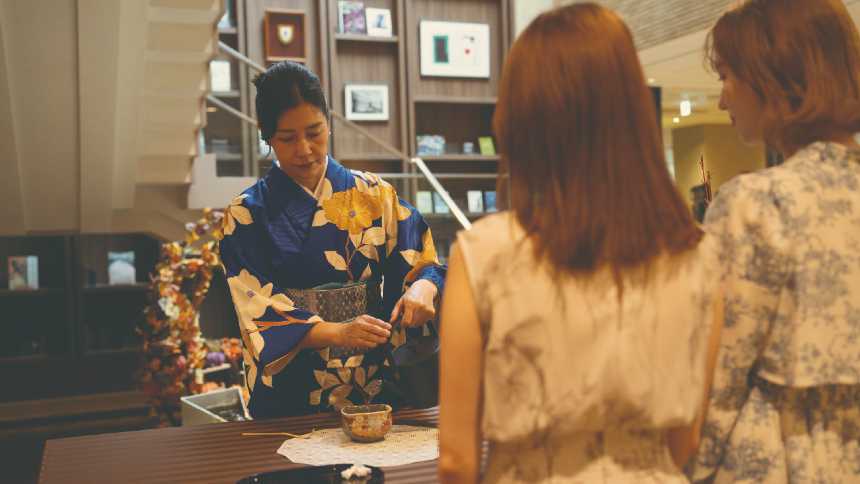
Since the hotel is next to Shiba Park in the Shiba district, Fujikawa advises remote workers to take a stroll through the park "to recalibrate body and mind" before work. And if guests can manage to take an hour break during the day, he recommends the cultural experiences within the hotel. Whether it's the ritual of a tea ceremony or a Kintsugi workshop , the Japanese art of repairing broken ceramics by piecing together the fragments and highlighting the beauty of imperfections.
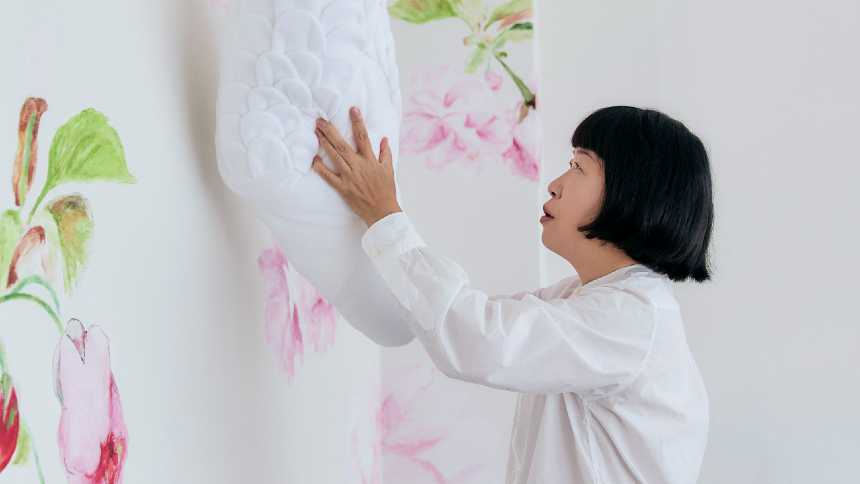
There are many initiatives to integrate remote professionals into Japanese culture. The Park Hotel Tokyo, in the Higashi-Shinbashi district, for example, presents "Artist in the Hotel ," a residency-style project where Japanese artists transform each room into a unique work of art, providing an immersive experience.
Wakako Kawakami and Nagisa Nakauchi were the latest to design a room at the Park. According to the project curator, the room, named Utopia in Japan, offers "relaxation in a tranquil world inspired by the traditional Japanese aesthetic of birds and flowers."
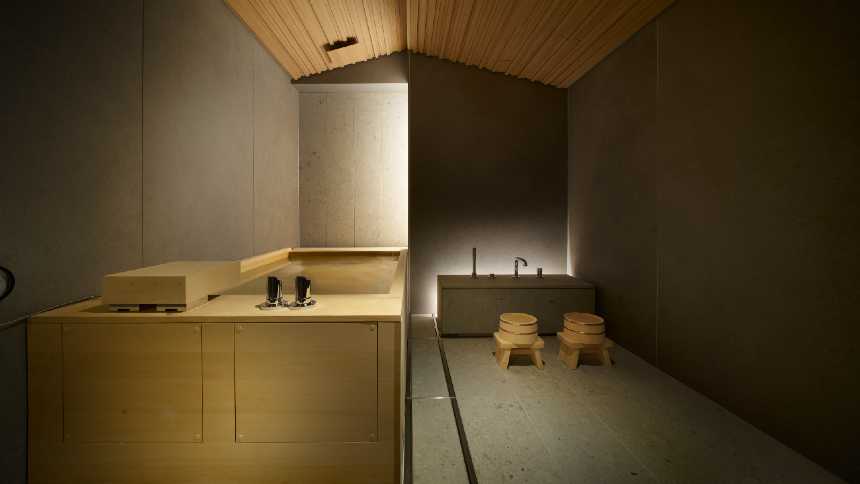
Another way to blend work and relaxation is to embrace what the manager of the Tsuki Tokyo hotel, Tatsuya Kobayashi, calls "Japanese wisdom," experiencing various aspects of local culture in one place. "We have rooms with hinoki (cypress) wooden ofuro tubs and a communal bath option," he tells NeoFeed , noting that the hotel also offers a Japanese sake bar, another tradition.
Regardless of the hotel, the most important thing for American Travis Wright is "walking through Tokyo with an open mind, driven by curiosity": "You have access to everything there, from the simple to the chaotic. And the best part is that, in your free time, the next thing to explore is very easy to find, since everything is so organized."
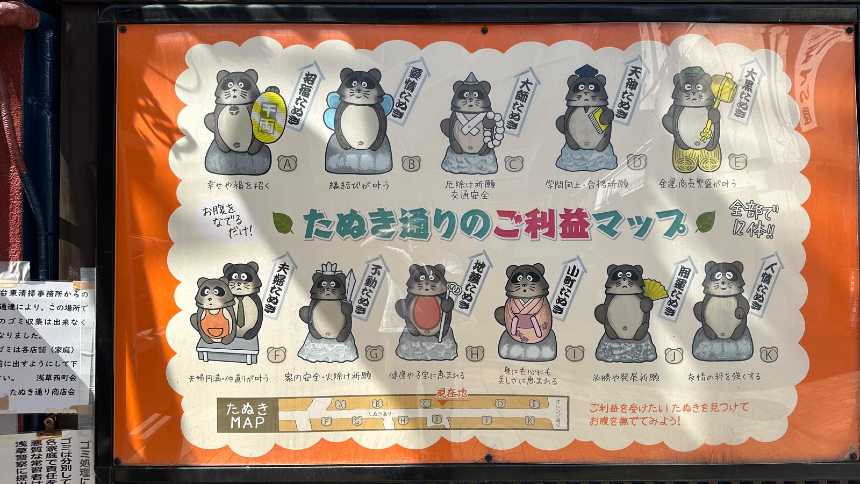
That's how Wright, a digital content creator about culture and travel in English, found Tanuki Street in the Asakusa district during his last work trip to Tokyo in June. "It's a street with various statues representing different types of Tanukis," he told NeoFeed , referring to the mythological figure of a type of raccoon dog.
His image is sometimes depicted with a bottle of sake in one hand and, in the other, bills he refuses to pay. Fascinated for years by the Tanuki, Wright even tattooed the figure on his right forearm. "At a fair, I met a seller of classic statues of the character. He didn't believe me when I showed him my tattoo," he recalls, laughing.