


Synvia is preparing a R$100 million investment in 2026 to accelerate its international expansion. The largest clinical research company in Latin America aims to become a leading Brazilian multinational global player, with a goal of generating R$1 billion in revenue within five years – four times its current R$250 million.
Today, 10% of the company's revenue comes from outside Brazil, mainly from South America. The goal is for the foreign market to represent half of the revenue, with a presence in Europe, the United States, Canada, and the Middle East.
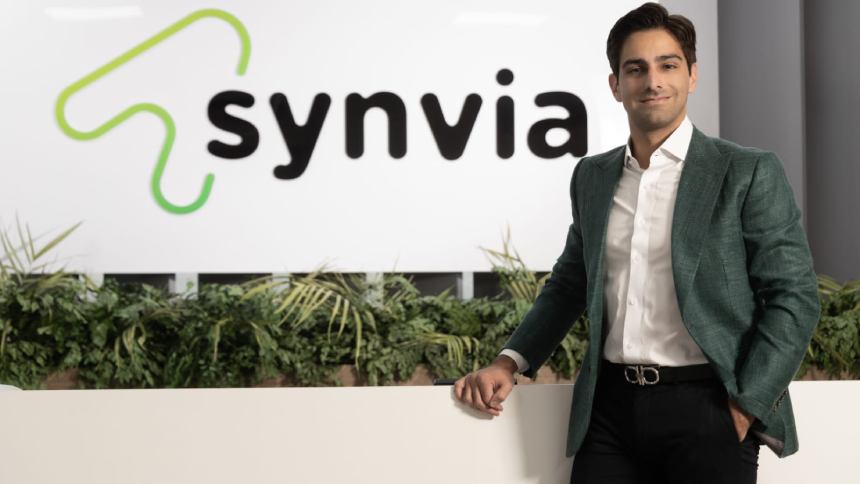
“My goal is to develop a global scale, with broad integration between the company's businesses. In addition to Anvisa, we are also targeting the FDA and European regulatory agencies,” says Pedro Ducci Serafim, CEO of Synvia, to NeoFeed .
In recent years, the company has earned important accolades to open doors abroad. Synvia was the first Latin American center to receive inspection and certification from the Gulf Cooperation Council (GCC), comprised of Saudi Arabia, Bahrain, Qatar, the United Arab Emirates, Kuwait, and Oman.
And it obtained approval from Informed, Portugal's regulatory agency that is part of the EMA, the European Medicines Agency. "We want to become a leading Brazilian multinational clinical research company on a global scale," says Serafim.
The company has contracts with virtually all pharmaceutical companies operating in Brazil and is responsible for studies on more than half of the generic drugs currently on the market.
Among the ongoing projects is the implementation, in Brazil, of tests of the generic version of the liraglutide slimming pen, to be used in the German pharmaceutical market - the names of the contracting companies are kept confidential by contract.
“We are working with European pharmaceutical companies, which may not necessarily have a presence in Brazil. That's why it's important to have the approval of an international regulatory agency,” says the businessman.
Similar to what happened in Brazil, the patent for Saxenda, a reference product of liraglutide produced by the Danish company Novo Nordisk, has also expired in the European country. In the Brazilian market, only EMS has similar medications, since the launch of Olire and Lirux in August of last year.
There is an expectation that the patent for semaglutide, the active ingredient in Ozempic , also produced by Novo Nordisk, will expire in several parts of the world in 2026.
In Brazil, the program ends in March, but unlike in other countries, Anvisa (the Brazilian health regulatory agency) does not require bioequivalence testing for generic and similar pens. Therefore, in this case, Synvia has been targeting the international pharmaceutical market. "Demand is high in Germany, which sets the trend in the European Union."
In addition to the slimming pens that will enter the global market after Novo Nordisk's exclusivity ends, Synvia will also study new molecules for the development of innovative obesity medications.
“There are smaller companies abroad that don’t even appear on the radar, but are doing interesting work in this market. They are very promising biotech companies . That’s why we see a significant market,” says Serafim.
Synvia will also conduct the first specific tests of generic drugs for the United States and Canadian markets this year.
In Brazil, the company is participating in the study phase of the flu vaccine developed by the Butantan Institute, with approximately 6,900 patients.
To absorb the increased demand, it will expand its unit in Campinas (SP), which currently has 164 beds and recruits more than 10,000 volunteers per year in over 200 research projects.
Of the revenue share related to clinical trials, today 70% comes from the generics segment and 30% from innovative drugs. But the trend is towards greater expansion with studies of brand-name drugs.