

Automakers are already tallying the losses caused by the bursting of the electric car market bubble in the United States. Major automakers are already reporting losses exceeding US$50 billion, driven by the sharp drop in demand for battery-powered vehicles.
After years of investment in developing electric vehicle technology and betting on product launches, the three main companies with factories in Detroit, United States – General Motors , Ford , and Stellantis – recently announced accounting write-downs due to a change in strategy following frustrated market expectations.
In the ranking of accumulated losses by the major automakers, Stellantis, owner of Jeep, Fiat, and Peugeot, leads with an accounting write-down of US$26 billion. Ford recorded US$19.5 billion, and GM, more than US$6 billion.
In the fourth quarter of 2025, electric vehicle sales are expected to fall by 30%, also driven by the end of a $7,500 per vehicle tax exemption from the United States government, which had initially helped boost sales.
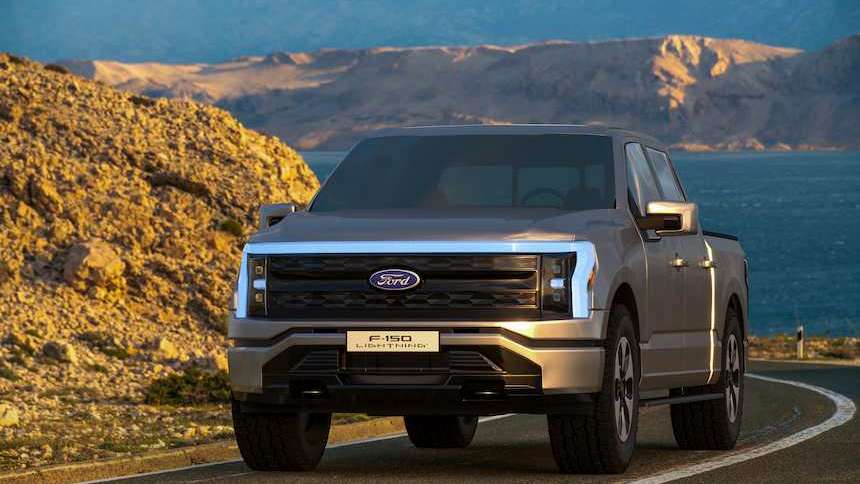
Demand for vehicles like Tesla's, owned by billionaire Elon Musk, has plummeted in the American market. Ford, for example, has already announced its decision to discontinue production of the electric version of the F-150 pickup truck. Production, halted in October, will not resume.
“Instead of investing billions in the future knowing that these large electric vehicles will never be profitable, we are changing course,” said Jim Farley, CEO of Ford, to the Wall Street Journal . The automaker now says it will produce a low-cost electric pickup truck by 2027.
Despite a minimal, albeit significant, financial impact, GM is attempting to continue with at least part of its electric vehicle sales strategy, albeit on a smaller scale than previously projected. The production of some models is still planned.
The pullback by automakers and the massive write-downs occurred just after Republican lawmakers abolished the federal tax credit for electric vehicles last year, in addition to eliminating federal fuel efficiency requirements. Even with federal support, demand for electric vehicles fell short of expectations.
As a result, the impact is reaching a larger portion of the automotive supply chain in the United States. Battery manufacturers have announced they will be reducing their operations. After investing hundreds of billions of dollars in the American industry, companies are canceling projects and redirecting their factories to the production of more traditional gasoline-powered vehicles.
The practical effect of all these cancellations is that, according to the consulting firm Atlas Public Policy, which monitors investments in the clean economy, more than US$20 billion in investments that had been announced in electric car and battery installations have been aborted.
In October 2025, GM announced the dismissal of more than 3,300 workers at its factories in Michigan, Ohio, and Tennessee, precisely because of the cancellation of plans to build a plant for the production of electric trucks and motors. Instead, the company will focus on manufacturing gasoline-powered trucks.
Ford dissolved a joint venture with South Korean conglomerate SK On last December to manufacture batteries for electric vehicles in the United States. The JV had been established in September 2021 as part of an $11.4 billion investment package between the two companies.
In the same month, the automaker also terminated a $6.5 billion battery supply contract with LG Energy Solutions. Stellantis is divesting its stake in a battery manufacturing company.
When Stellantis recorded the largest accounting write-down ever taken by an automaker related to bets on electric vehicles in early February, CEO Antonio Filosa stated that the pace of the energy transition had been overestimated and had "distanced us from the real needs, resources, and desires of many car buyers."
Outside the United States, electric vehicle markets are still growing. Recently, the Chinese company BYD surpassed Tesla and became the global leader in electric vehicle sales, even with tariffs imposed on these Asian models in some countries.
The company delivered more than one million vehicles outside of China in 2025, double the volume recorded in 2024. However, in the domestic market, growth slowed due to increased competition and reduced government subsidies for popular vehicles.