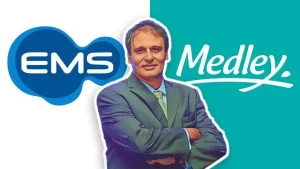


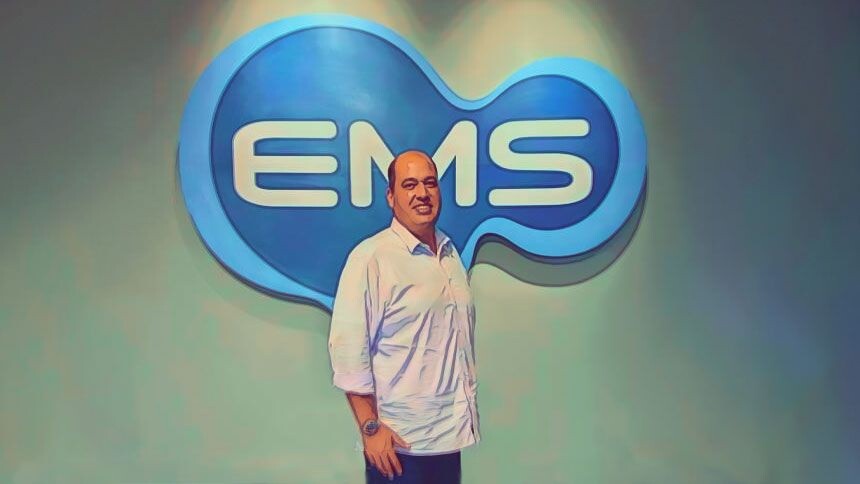
With the completion of the purchase of Medley, the generic drug unit of the French company Sanofi, by the Brazilian pharmaceutical company EMS, which will disburse US$ 600 million (approximately R$ 3.17 billion), as reported by NeoFeed , the trend now is for the company to expand its portfolio in pharmacy chains.
Even though they will operate independently – each brand will adopt its own commercial strategy – the trend is that there will be synergy in product manufacturing and in research and development. The EMS factory in Hortolândia (SP) is about 20 kilometers from the Medley plant in Campinas (SP).
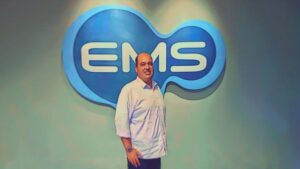
“The rationale behind this operation for us is that, in Brazil, generic drugs have brands. And the Medley brand is extremely well-established and respected. Now, we will work to make both brands grow,” says Marcus Sanchez, vice president of EMS, in an exclusive interview with NeoFeed after the sale was confirmed.
This is the largest acquisition in EMS's 62-year history. The company was founded in 1964 by Emiliano Sanchez, with a small factory in São Bernardo do Campo (SP). In 1950, he opened the Santa Catarina pharmacy in Santo André (SP), which gave rise to the company. As a group, it was consolidated in 2014.
The expectation was that the final phase of the process would end on Friday, March 13th . But EMS made its offer earlier, with a value higher than what had already been set, and, in practice, eliminated the other competitors from the bidding process. "We brought forward the offer a little, which was accepted by Sanofi," says Sanchez.
With the acquisition, the controlling group of EMS will have approximately 30% of the Brazilian generic drug market, adding Medley's 7% to the 23% held by the Sanchez family company. Combined, the conglomerate will have annual revenue close to R$ 12 billion.
Although virtually all of Medley's medications have versions produced by EMS, the new owner will maintain both brands on pharmacy counters, giving consumers the option to purchase them.
The expectation is that CADE (Brazil's antitrust authority) will not see any problems with the deal, because, even though EMS is the leader in generic drug sales in Brazil, the market is still very fragmented. The final result, with the likely approval by the agency, is expected sometime in 2026.
The sale process for Medley began last year when Sanofi hired the consulting firm Lazard to manage the operation. The first stage lasted until October 31st, when eight companies moved on to the second phase (Aché, Althaia, Cimed, EMS, Eurofarma, Hypera, Torrent, and União Química).
The next phase began on January 5th, with EMS and Aché having the most relevant proposals , in addition to the Indian company Sun Pharma, which qualified at the end of the deadline. The Vinci Compass fund also advanced in the competition.
With fierce competition, Sanofi even warned its competitors that the bid would have to be higher than the first-phase offer, which closed at around US$450 million, according to NeoFeed . The market already saw EMS as the favorite , precisely because of its market leadership and strong financial health.
EMS was advised by the Lefosse law firm in Brazil, while the Mayer Brown law firm acted as legal counsel in New York.
Prior to the official announcement, Medley's approximately 900 employees were notified of the completion of the deal.
This was not EMS's first acquisition of a Sanofi asset. In May 2023, the Brazilian company bought the Dermacyd brand of intimate soaps from the French pharmaceutical company in a €66 million deal. The agreement included marketing rights, the manufacturing of 17 items, as well as intellectual property.
Below are the main excerpts from Sanchez's interview:
What was the rationale behind this acquisition, and how will the group work to expand the generics market?
This is the largest acquisition in EMS's history. The rationale for this operation for us is that, in Brazil, generic drugs have brands. And the Medley brand is extremely well-established and respected. For us, it's important and makes perfect sense to have a brand like Medley within our portfolio. Now, we will work to make both brands grow.
"The rationale behind this operation for us is that, in Brazil, generic drugs have a brand name. And the Medley brand is extremely well-established and respected."
This is not EMS's first deal with Sanofi. What was different in this case?
Yes, we had another negotiation when we bought Dermacyd [in 2023]. It also went very well. They are very organized, from an M&A point of view. Our relationship with Sanofi has always been very positive, and this time was no different. Now, after CADE [Brazilian antitrust authority], we have the possibility of increasing Medley's portfolio of medicines, to further democratize access for the population.
Will the operations function independently?
Yes. Confirming the acquisition, the Medley brand remains independent, with all its strength, distinct strategies, and a separate commercial operation. We cannot lose all the assets the brand has built up to date with the pharmaceutical retail market and with consumers.
Besides the logistical synergies resulting from the proximity of the factories, are there any other advantages that can be gained, even with the independence of the brands?
We have high expectations for synergy from a research and development standpoint and in operations, specifically in product manufacturing. But from a commercial and marketing perspective, not so much.
With such a fierce competition, what will the relationship be like from now on with the other pharmaceutical companies, especially those that were in the final phase?
Our understanding is that the pharmaceutical market is very fragmented. Therefore, this acquisition does not alter the relationship with other companies in the sector. There continues to be room for everyone.
"The Medley brand remains independent, with all its strength, distinct strategies, and a separate commercial approach. We can't lose all the assets the brand has built."
Could Medley also enter the GLP-1 market, like EMS has already done, with generic weight-loss pens?
That's something we're not thinking about yet, in relation to Medley. Our total focus right now, in this case, is on the CADE (Brazilian antitrust authority) process. We haven't prioritized it and we haven't defined anything about Medley's possible entry into the LPG-1 market.