

Leading the way for the two biggest symbols, so far, of the hype surrounding artificial intelligence (AI), Jensen Huang of Nvidia and Sam Altman of OpenAI are also prime examples of individuals with already substantial bank accounts who have gained new – and significant – sums of money as a result of this boom.
This frenzy, however, did not only bolster the personal wealth of those already part of the global billionaires' club. In a scenario already played out in other technological waves, AI also served as a passport for a new group to join this list.
A new generation of billionaires (at least on paper) is emerging with the wave of artificial intelligence, at a much faster rate than it took Elon Musk to reach a nine-figure net worth, according to a report in The New York Times .
By referencing periods such as the dot-com bubble of the late 1990s and early 2000s, the publication emphasizes that, just as back then, some of the newcomers to this relationship could become the future all-powerful figures of Silicon Valley.
Examples of these new billionaires include Alexandr Wang and Lucy Guo, founders of Scale AI , a Californian AI startup that, in June of this year, sold a 49% stake to Meta for US$14.3 billion. Today, their fortunes are estimated at US$3.6 billion and US$1.3 billion, respectively.
Also from California, the quartet formed by Michael Truell, Sualeh Asif, Aman Sanger, and Arvid Lunnemark joined this group in November of this year, when Cursor, the startup they founded in 2022, was valued at US$29.3 billion in a round with investors such as Nvidia and Google.
This same script, marked by fortunes boosted by the exponential valuation of startups in private funding rounds, was followed by other names. Among them, the entrepreneurs behind companies like Perplexity , Mercor, Figure AI, Safe Superintelligence, and Thinking Machines Lab .
Other commonalities among these new members of the nine-figure club are their age – all are under 40 – and the speed with which they became billionaires. Many of them founded their respective companies less than three years ago, after the launch of ChatGPT by OpenAI.
Two startups with names directly linked to the owner of ChatGPT illustrate this speed well. The first is Safe Superintelligence , led by Ilya Sutskever , co-founder of OpenAI. Founded in 2024, the company has already raised US$3 billion and is valued at US$32 billion.
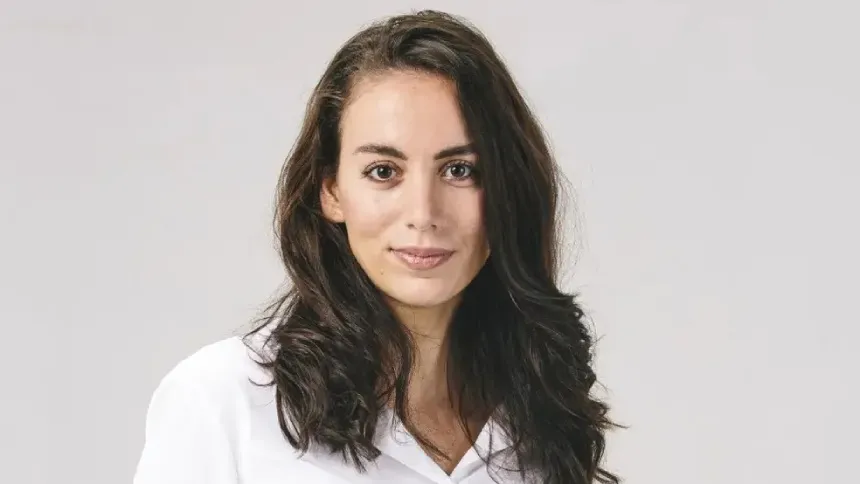
The second is Thinking Machines Lab, founded by Mira Murati, former CTO of OpenAI. The company was created in February 2025. And, in June, even without having launched a product, it was already worth US$10 billion, after raising US$2 billion from investors such as Andreessen Horowitz and Nvidia.
In other cases that reinforce this speed, Brett Adcock, 39, founded Figure AI in 2022. Currently, he has a net worth of US$19.5 billion. In the same year, Aravind Srinivas created Perplexity. Today, at 31, his estimated fortune is around US$20 billion.
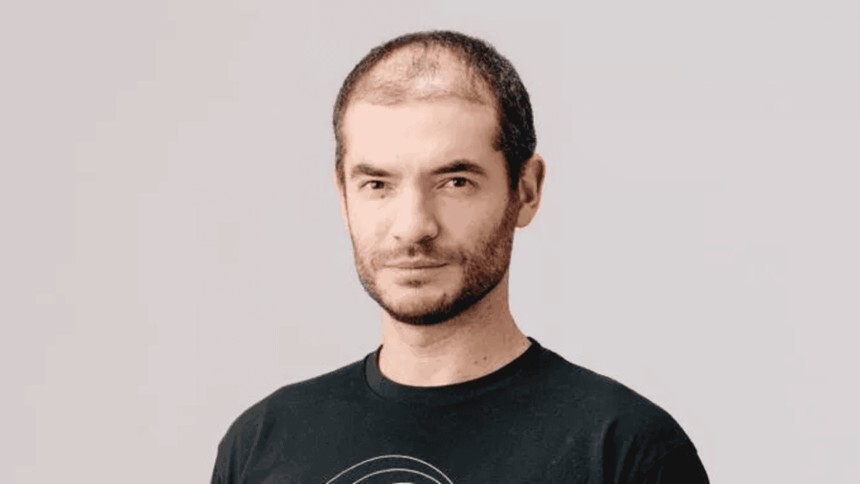
Also founded in 2022, Harvey "abused" speed by fattening the bank accounts of its founders – Winston Weinberg and Gabe Pereyra. The San Francisco startup has already raised US$1 billion, of which approximately US$800 million came from four rounds held in 2025 alone.
However, while these new billionaires seem to have reached this level in less time, in another respect, this new crop appears to be maintaining the pace of previous generations, as this crop includes only two women, Guo and Murati.
Aside from that issue, Jai Das, a partner at Sapphire Ventures, a Silicon Valley venture capital firm, told The New York Times that these new names are comparable to the railroad magnates of the so-called Gilded Age of the 1890s.
He pointed out that that generation also benefited from the technological boom of the time. But he warned that now, the wealth of the new artificial intelligence billionaires may be ephemeral if their startups do not meet expectations.
“The question is which of these companies will survive,” Das said. “And which of these founders will actually become a real billionaire, and not just a billionaire on paper.”