









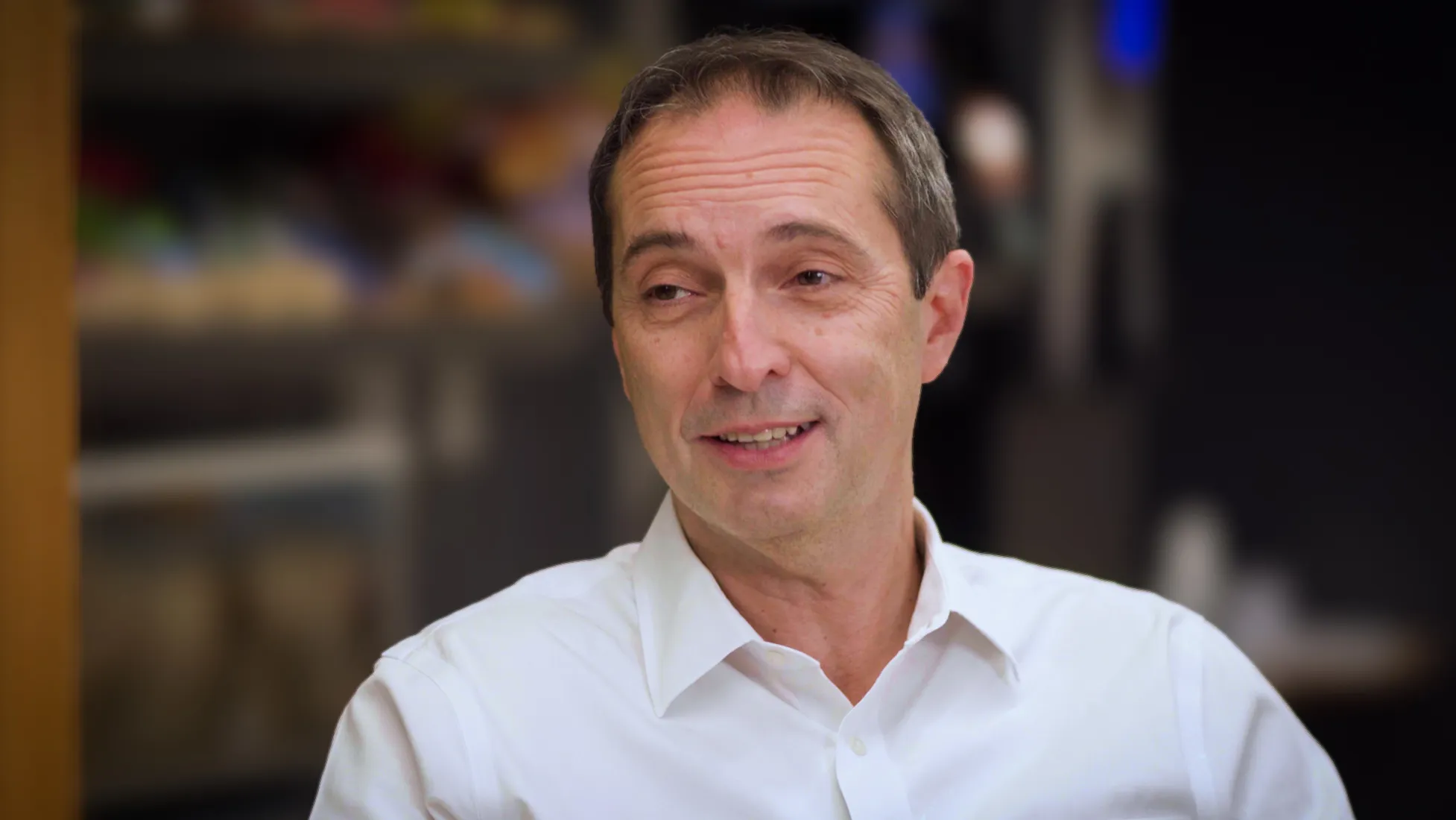



Anyone who runs knows: pushing the pace too early usually takes its toll later on. At the helm of Track&Field , Fernando Tracanella applies this track-based logic to business, leading the company to continuous and controlled growth, while still achieving quarterly improvements in results.
CEO of the company since 2023, Tracanella brought to the sportswear brand what he applied in food retail - he worked for 17 years at Grupo Pão de Açúcar .
“I have a background in finance, in planning, in indicators, in day-to-day management. And I bring a lot from the food retail sector, which, unlike ours, is a segment with very tight margins. This has helped me a lot at Track&Field,” says Tracanella, in an interview with Call de Negócios .
The conservative approach to decision-making is clearly evident in the pace of the network's expansion – which now boasts over 400 stores. Track&Field has been opening an average of about 40 stores per year, a number that Tracanella says he intends to maintain.
“We prefer to carefully manage our growth rate and be as accurate as possible in choosing the location and the franchisee,” he states, in an interview with NeoFeed .
In addition to opening new stores, the company has been heavily investing in renovating existing spaces, which favors both increased customer traffic and a higher average ticket price, driven by more efficient product display.
Some stores have even incorporated TFC units, which function as cafes and mini-markets offering healthy food, in order to extend customer dwell time and strengthen their relationship with the brand. "The renovated stores are growing at twice the rate of sales of the existing stores," said the CEO.
In the third quarter of 2025, sell-out reached R$ 442 million, a 28.3% increase compared to the same period of the previous year. Consolidated net revenue totaled R$ 268.5 million, a 31.4% increase, while adjusted net profit grew 30% to R$ 35 million. The company ended the period with 417 stores in operation and no debt.
The market is awaiting consistent results in the earnings report to be released on Monday, March 9th. The prevailing analyst interpretation is that the pace will continue: organic growth, controlled network expansion, and maintenance of margins, in line with the performance delivered in recent quarters.
According to Danniela Eiger, an analyst at XP, this characteristic makes Track&Field a typical "owner-owned company." Approximately 95% of the shares are held by the controlling shareholders, which, in the analyst's view, has two sides. "It's positive because these are entrepreneurs who believe in their own business and think long-term," she says.
On the other hand, this concentration reduces the liquidity of the security, driving away some institutional investors and limiting the interest of funds that require a higher trading volume.
In the digital realm, growth follows the same logic of progressive evolution. Before the pandemic, e-commerce represented only 3% of Track&Field's sales. Today, it accounts for approximately 11%, in a business that has practically quadrupled in size. Furthermore, the company has been expanding its ecosystem with TF Mall, a marketplace for sporting goods curated by the brand, such as GPS watches for runners, technical shoes, rackets, and sports glasses.
With TFCO4 shares appreciating by almost 90% since its IPO in October 2020, Track&Field seems to be competing in an endurance race, betting on a steady pace to avoid fatigue before the finish line.