












Artificial intelligence has become synonymous with efficiency in corporate discourse. In practice, however, the experience of Gol Linhas Aéreas shows that the technology doesn't always reduce costs. In some cases, it can even be more expensive than keeping people in the process. It is based on this calculation that the airline has decided where it makes sense to use AI.
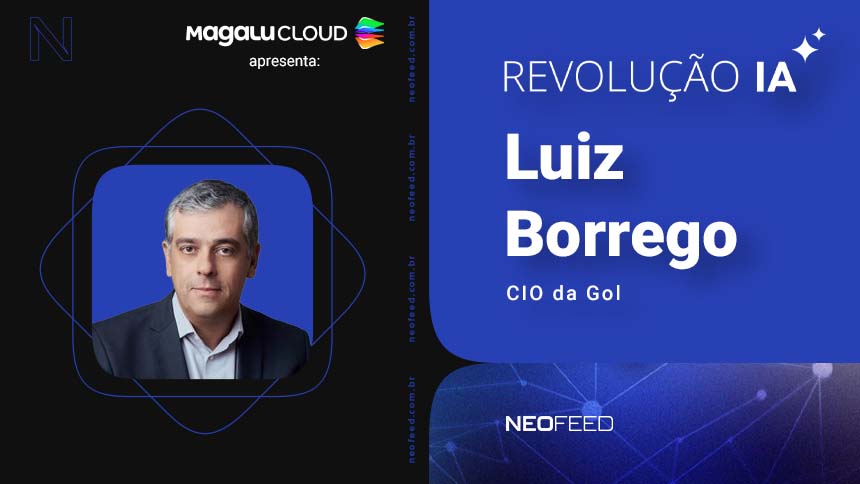
In an interview with Revolução IA , a NeoFeed program supported by Magalu Cloud, Gol's CIO, Luiz Borrego, stated that the company has been adopting a pragmatic and conservative approach to technology adoption. "There's no point in using AI just for the sake of it," Borrego said.
To move forward, any project needs to meet basic criteria, such as improving efficiency by delivering a superior result compared to the previous process, making sense from an economic standpoint, or clearly evolving the customer experience.
Currently, Gol already uses algorithms and machine learning models in areas such as ticket pricing for each customer profile, network planning, airport team allocation, and route optimization, which impacts fuel consumption and flight punctuality.
But not all tests were successful. One of the most emblematic examples involves the automation of customer service. In some attempts, the technology even worked from a technical point of view, but ended up being more expensive than maintaining people in customer service.
In other cases, the accuracy of the responses and the quality of the experience did not meet the expected standard. "If the customer is going to use it, they need to be more satisfied than with the previous service. Otherwise, it doesn't work," said Borrego.
To manage this trial-and-error process, the company structured an internal laboratory, which functions as a controlled space for experimentation. It is there that projects can fail without compromising the main operation, something especially sensitive in a highly regulated sector with tight margins like the airline industry.
According to the executive, the biggest risk today is not making mistakes when testing artificial intelligence, but ignoring the technology. "The worst thing that can happen is someone creating a significant competitive advantage and you being slow to react," Borrego stated.