


The day after Xi Jinping was inaugurated as president of China, on March 14, 2013, the annual Consumer Day program on state television accused the American giant Apple of treating Chinese customers worse than buyers from other countries. Outside of China, iPhones were replaced. But in the Chinese market, they were only repaired with refurbished parts.
First, the company denied the accusations. It asserted that its guarantees were "more or less" the same worldwide, including in the United States, and that the user experience offered by the company was "unparalleled." However, the situation only worsened. State media launched a coordinated attack against the tech giant.
The People's Daily , for example, published an editorial titled: “Take down Apple’s ‘unparalleled’ arrogance.” The text claimed that the “sense of Western superiority” was behind the problem. It insinuated that the company exploited the country's population because “there is no risk in offending the Chinese consumer and this also reduces costs.”
The campaign had a threatening tone: those customers had "sustained the brand's remarkable results."
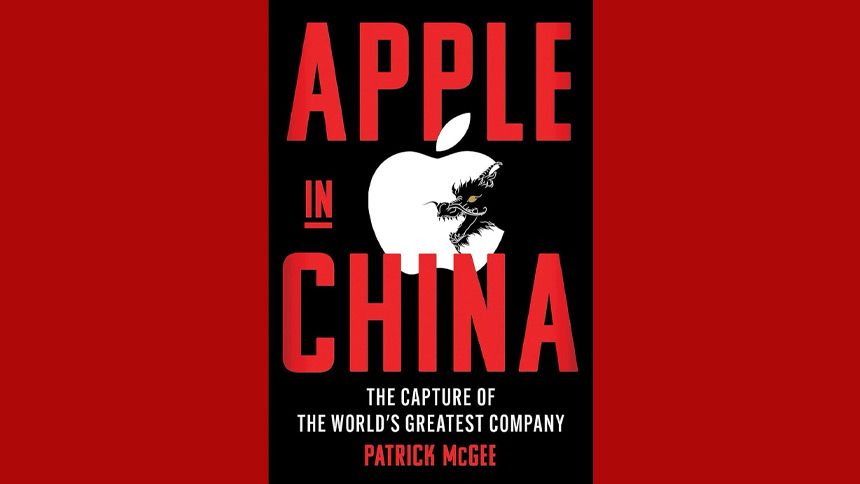
In Patrick McGee's book, Apple in China: The Capture of the World's Greatest Company, this story is told in detail. Previously unpublished in Brazil, the book won the 2025 SABEW Best in Business Book Awards in the Business Reporting category.
The episode revealed the enormous dependence that Apple has developed on China. Since 1996, the company founded by Steve Jobs has gradually abandoned its own production in the United States and outsourced manufacturing.
Over time, the Asian country became the center of this strategy, thanks to a combination of government policies and an abundant, cheap workforce.
Chinese competitiveness was based on "low wages, low welfare, and poor human rights." And the efficiency of this production chain was crucial to Apple's success. At the helm of the company since 2011, Tim Cook has never been known for product innovation, but for his ability to organize and scale the company's operations globally.
The case of the recovered iPhones exposed something even deeper: Apple's decisive role in shaping today's Chinese technology industry.
For two decades, the company invested billions of dollars in the country, trained millions of workers, and built a manufacturing and logistics system that became the most advanced in history. Conversely, it transferred knowledge, skills, and power.
In doing so, it handed the Chinese the tools that would challenge American technological supremacy. Furthermore, Apple placed itself at the center of a "cold war" between the two superpowers.
McGee was the Financial Times ' lead reporter covering Apple from 2019 to 2023. Based on hundreds of exclusive interviews and documents, the author has crafted a compelling account that reveals, for the first time, the vulnerability of the Cupertino giant.
At the same time, it shows how the triumph of a single company ended up reshaping the global balance of power—without this being planned.

When the Chinese media campaign against Apple began, the company's market in the Asian country was rapidly expanding. Revenues had jumped from less than US$1 billion in 2008 to nearly US$23 billion in 2012. However, after the attack, sales plummeted.
An internal Apple document would later indicate that the decline was "likely influenced by the Chinese government's decision to target Apple on Consumer Day."
Within weeks, the company went from a position of confidence to fear of a boycott. Eighteen days after the crisis, Cook published an apology letter in Mandarin, in which he expressed “immense respect” for China and acknowledged that a “lack of communication” had made Apple appear arrogant. He also announced an iPhone replacement policy even more favorable than the one offered to Americans.
Within Apple, two interpretations of the incident emerged. One saw the attack as a deliberate show of power by the Chinese government, intended to remind Americans of their subordinate position. The other suggested that there were indeed problems for Chinese consumers, largely due to the sale of pirated devices and the proliferation of fake Apple stores in the country.
Many were deceived and blamed the company when they couldn't get assistance. So, while the outrage was legitimate, technically the accusations were unfounded. Regardless of the interpretation, the episode was a watershed moment, says McGee.
Apple realized it was deeply exposed to Chinese politics and lacked a clear strategy for dealing with the Asian country's government. The company relied on partners like Foxconn to negotiate with local authorities and had no executive leadership based in China.
At the same time, its presence in the country was enormous. In 2012, the value of the company's machinery in Chinese territory already reached US$7.3 billion, more than its buildings and stores in the United States.
The company had discovered how to produce "the best products in the world without manufacturing anything directly": it sent engineers to train workers, install machinery, and coordinate complex supply chains.
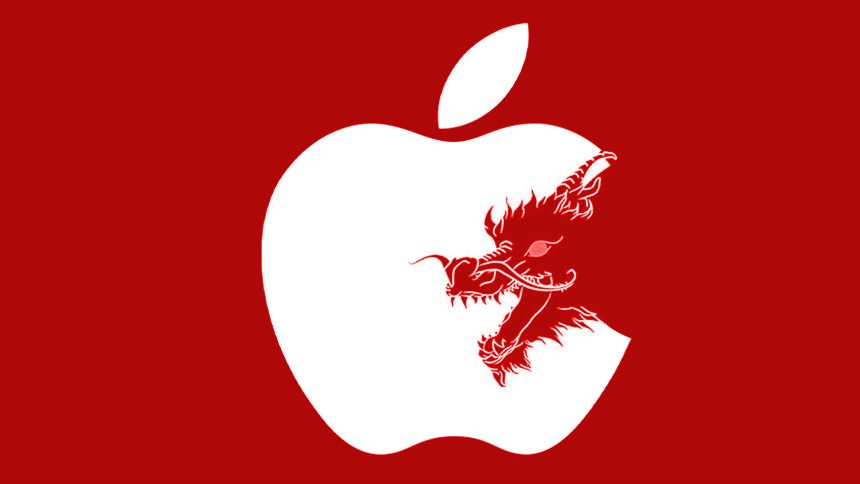
From there, McGee builds the story of how Apple used China as a base to become the most valuable company in the world and paid a high price for it: dependence on an authoritarian regime. As the author summarizes, "it's not just a story about the globalization of electronics, but about its 'Chinese-ification'."
The journalist argues that this business decision, initially motivated by economic reasons, led to unexpected geopolitical consequences, because Apple helped strengthen the Chinese industrial and technological sector and contributed to the country's rise as a strategic rival to the United States.
Finally, McGee presents the Apple-China relationship as one of the central paradoxes of the contemporary global economy: a company that symbolized American capitalism helped (significantly) to strengthen the industrial power of a geopolitical rival, and today finds it difficult to reduce that dependence.