

Italy - Rome, 1960s. A symbol of La Dolce Vita, a city with far fewer tourists than today (22.9 million in 2025), where social life unfolded on foot among cafes, hotels, and studios, a rhythm that, to some extent, is still preserved.Cinema , aristocracy, the nouveau riche , and paparazzi shared the same stage; streets and restaurants functioned as natural extensions of the studios.
It was to Rome that Hollywood moved when filming for Cleopatra, directed by Joseph L. Mankiewicz, left London and landed in Italy. Technical problems, harsh weather, and a bout of pneumonia suffered by the lead actress, Elizabeth Taylor (1932-2011), led the production to relocate to a warmer location with studios suitable for the mega-production. They chose Cinecittà, the largest studio complex in Italy and, to this day, the world.
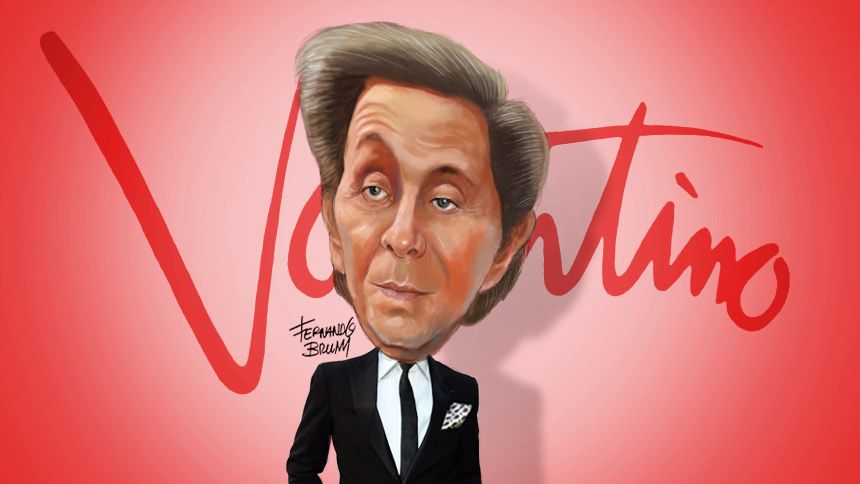
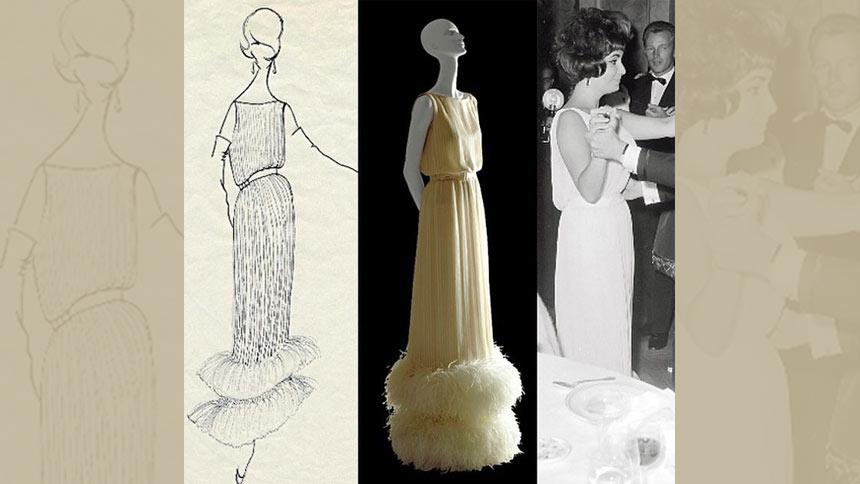
Living in Rome, the actress needed a dress for the premiere of Stanley Kubrick's (1928-1999) Spartacus. Walking along Via dei Condotti, the street leading to Piazza di Spagna, the diva entered the boutique of a young designer, who created for her a simple white dress, sleeveless, fitted at the waist and with feathers at the hem. His name was never the same after the photo went around the world: Valentino Garavani (1932-2026).
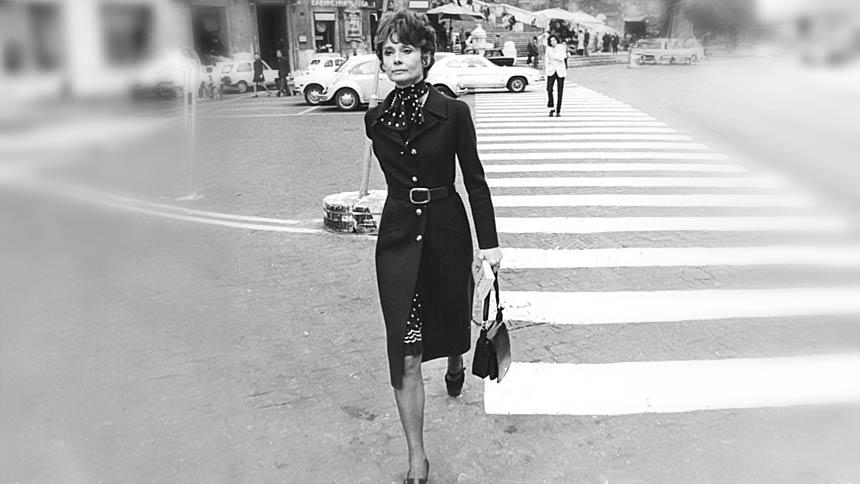
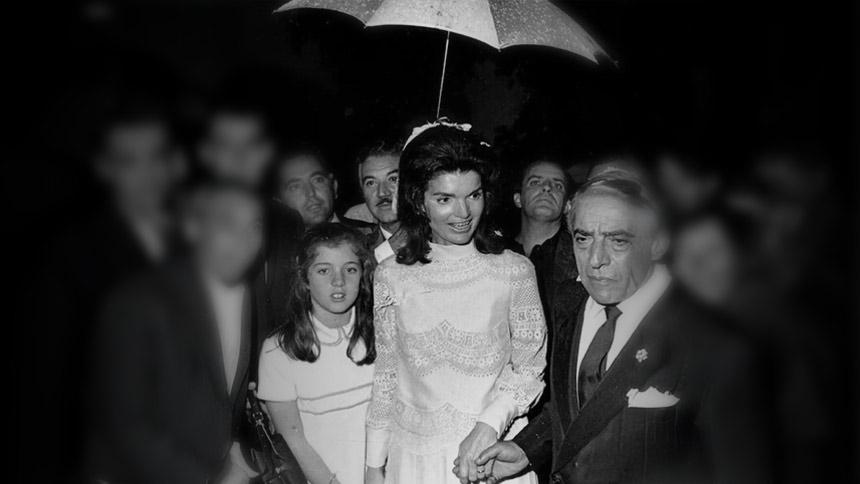
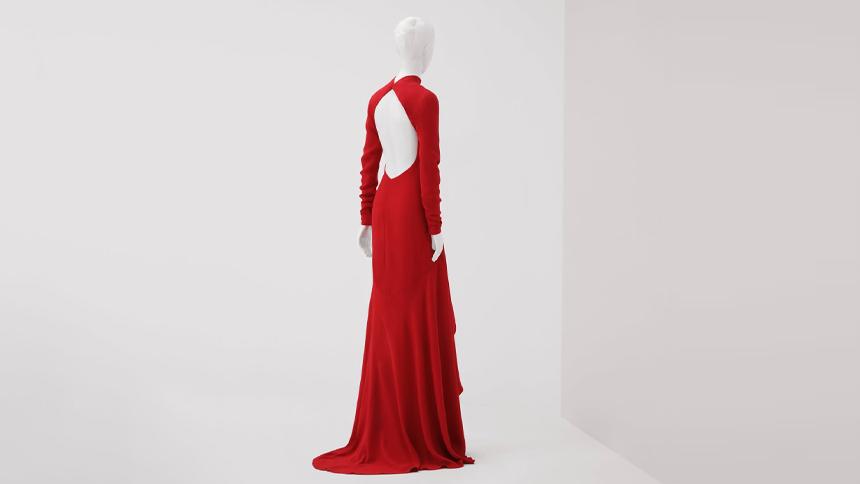
Before becoming a favorite of celebrities like Jackie Kennedy (1929-1994), Sophia Loren, Audrey Hepburn (1929-1993), Julia Roberts, Gwyneth Paltrow, and Anne Hathaway, he already catered to wealthy clients in Rome. He was known for his beautiful handmade dresses and for disliking trousers on women. He also created the iconic Rosso Valentino (Valentino Red), a color that would become his signature and a symbol of passion and femininity, present in all his fashion shows.
The Italian designer followed a conventional path, with a few "coincidences of fate," typical of someone who wants to create fashion in Italy, where clothing is not just consumption: it's ceremony, it's ritual, it's in the DNA.
He was born in the city of Voghera, in Lombardy, in the north of the country. Encouraged by his family, he went to study in Paris, where he worked with Jean Dessès (1904-1970) and Guy Laroche (1921-1988). He learned everything he could. Returning to Italy at the age of 28, he settled in Rome.
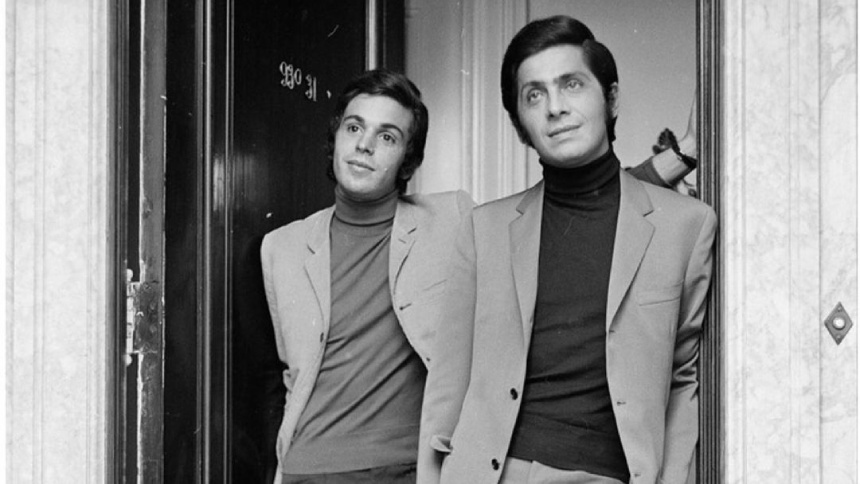
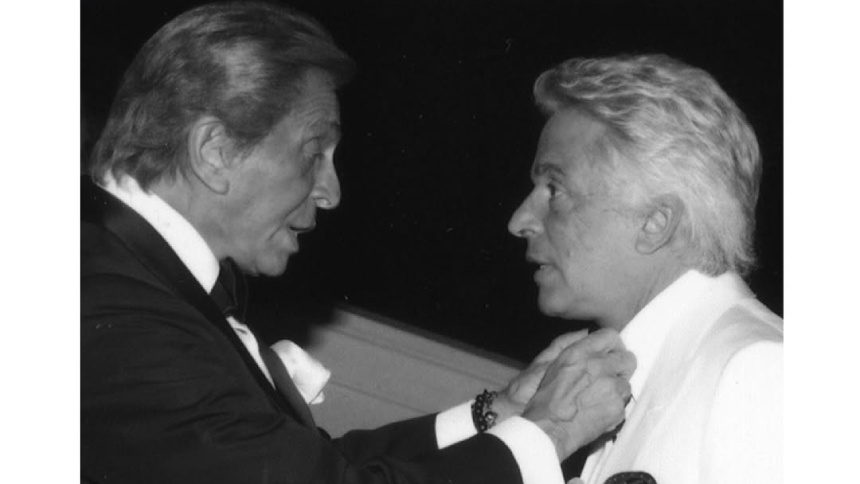
Completely immersed in the atmosphere, he was having coffee on Via Veneto, which was bustling at the time, when he spotted a handsome 18-year-old boy, the Roman architecture student Giancarlo Giammetti, and asked permission to sit down.
During the conversation, they discovered an unexpected affinity: the French language, which they both mastered. "From now on, if I see you again, we'll speak French," declared Giammetti, interested in learning more about the atelier the designer intended to open.
After a few meetings, an affectionate partnership was born that would last twelve years, and then a solid friendship that would explain part of the brand's success: Valentino created women's clothing in pursuit of beauty; Giammetti was the head of the business structure.
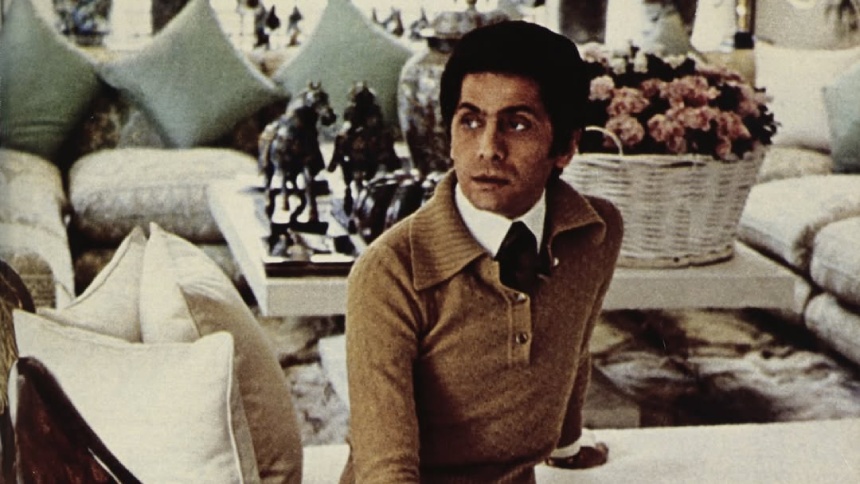
They maintained richly decorated residences with works of art and designer furniture in Capri, Paris, New York, and Rome, on the Via Appia Antica, one of the city's oldest streets, where the designer died in his sleep, of undisclosed causes.
Despite being less well-known than the name that adorned the dresses on magazine covers, Giammetti was instrumental in transforming Valentino into a global fashion powerhouse.
“The businessman created the commercial and brand expansion strategy, including the use of licenses for perfumes, accessories, and products, which multiplied the reach of the business. This model was one of the financial foundations that allowed continuous growth over the decades,” says Mauro Fanfoni, an Italian journalist specializing in fashion.
The turning point came in 1998, when the duo sold the maison they had built over nearly forty years to the Italian holding company HdP for around US$300 million (approximately R$1.59 billion), transforming it from a family business into a luxury asset.
In 2002, the brand was acquired by the Marzotto group for approximately US$210 million (around R$1.11 billion), and its shareholding control continued to change over time. In 2012, it migrated to the Mayhoola for Investments fund, linked to the Qatari royal family, in a deal valued at hundreds of millions of euros (R$1.2 billion). More recently, in 2023, the French group Kering bought 30% of the brand for around €1.7 billion (R$9.9 billion), with an option to acquire the remainder by the end of the decade.
Valentino stepped away from designing for the fashion house in 2008, after nearly 48 years at the helm, ending a golden age of original design in fashion before the arrival of large conglomerates. He always wore impeccably tailored suits and possessed a highly refined sense of aesthetics.
He never abandoned Rome, Caput Mundi (capital of the world, in Latin). A few meters from the original address of his first atelier, in Piazza Mignanelli, is the brand's headquarters in the historic Palazzo Gabrielli-Mignanelli building and the Valentino Garavani and Giancarlo Giammetti Foundation, created in 2016.
Connected to it is the PM23 gallery, which has hosted contemporary art exhibitions since 2025, currently showing the Venus exhibition by Portuguese artist Joana Vasconcelos. A gift that the duo offered to the city. It was there that the designer's wake took place, adorned with hundreds of white flowers, and was visited by 10,000 people, with queues forming over two days.
Visibly moved, Giammetti declared: "I didn't expect so much love." The funeral took place in the Basilica of Santa Maria degli Angeli e dei Martiri, built within the ancient Baths of Diocletian and designed by Michelangelo in the 16th century. He was then buried in the Flaminio Cemetery.
Soon, under the creative direction of Alessandro Michele, the brand's next show will be held in Rome, not Paris, in what promises to be a grand tribute. "Here, you only have to look up to see something beautiful," Valentino said in one of his numerous declarations of love for the city that continues to celebrate its last emperor.