

New York – “The Mozart of Western Art.” This was how the Italian Renaissance painter Raffaello di Giovanni Santi, or simply Raphael (1483–1520), was known. A prodigy and prolific artist, he died at the age of 37, leaving behind hundreds of works, in addition to frescoes that adorn four spaces in the Vatican , commissioned by Pope Julius II.
A large portion of these works was brought to New York to form part of the exhibition Raphael: Sublime Poetry , on display until June 28, 2026, at the Metropolitan Museum of Art in New York . The exhibition, which will not travel to other museums, offers an audio guide narrated by actress Isabella Rossellini.
The 200 works are displayed in galleries with subdued colors that contrast with the vivid colors of the paintings, and arches in the ceiling reminiscent of churches. There are drawings, paintings, tapestries, and decorative arts, many of them never before seen in the United States, including three tapestries that belonged to Philip II, King of Spain, and which until now have never been exhibited outside of Madrid.
The exhibition's name refers to Raphael's father, the poet and painter Giovanni Santi. For centuries, Raphael's works have been coveted by collectors throughout Europe. Many of his monumental works, such as The Madonna of the Fish and The Ecstasy of Saint Cecilia (present in this exhibition), were looted by Napoleon and taken to Paris in the late 1790s to form the emperor's new museum. These works were returned to Italy and Spain around 1815.
Of humble origins in the regions of Urbino and Umbria, Raphael rose meteorically after passing through Florence, where he distinguished himself alongside Leonardo da Vinci and Michelangelo, until his final years in Rome, where he reached high echelons of society and worked for the papal court. He moved in the highest intellectual circles, where painting and poetry were intertwined.
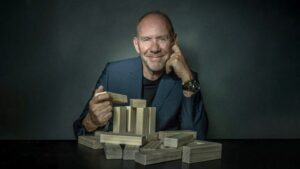
“I think of Raphael as the greatest influencer of all time,” art historian Carmen Bambach, curator of the exhibition, tells NeoFeed . “From 1510 until the end of the 19th century, he was idolized as the greatest artist of the Italian Renaissance, above Leonardo da Vinci and Michelangelo ,” she states, having dedicated more than seven years to preparing the exhibition, bringing together pieces from international collections.
“Although historical tradition might place Raphael in third place, he is equally magnificent, distinguished by his extremely refined artistic personality,” says Bambach, highlighting his charisma. “Over the course of 20 years, he became an extraordinary narrative painter, a storyteller who instantly captured the plot of a scene at its most dramatic moment,” he adds.
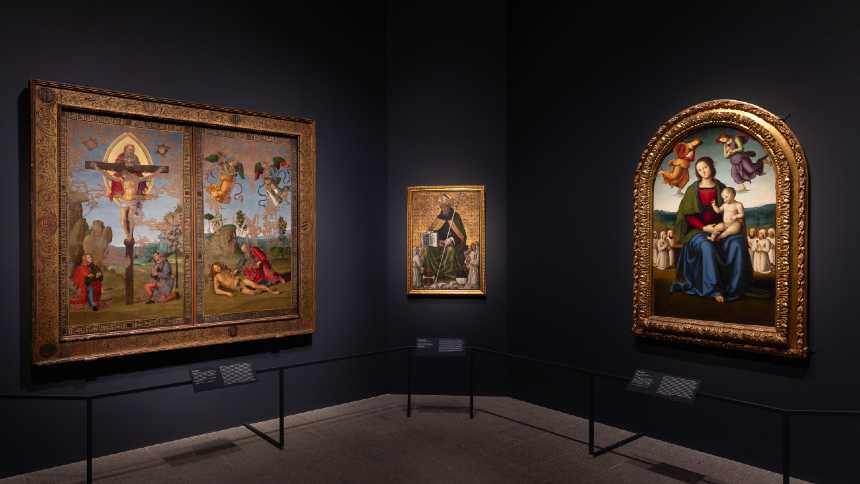
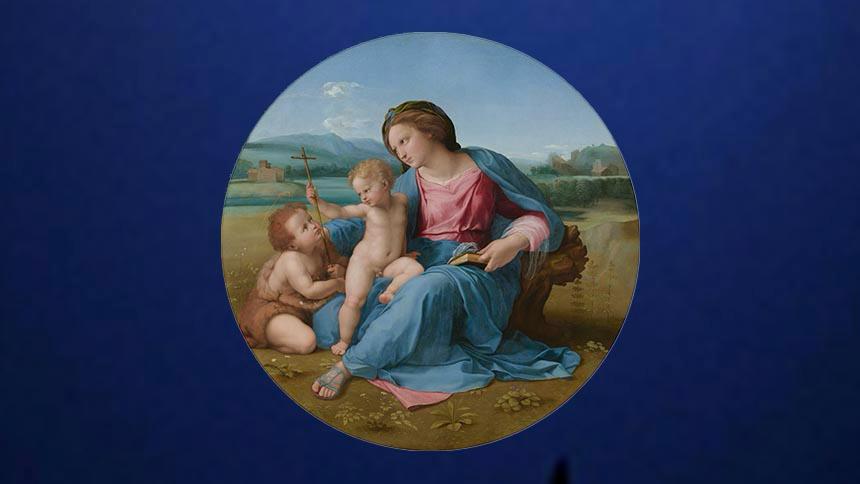
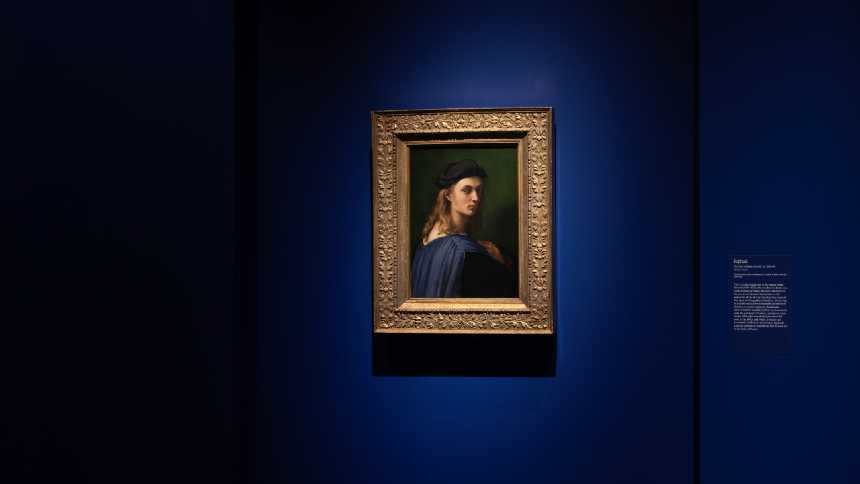
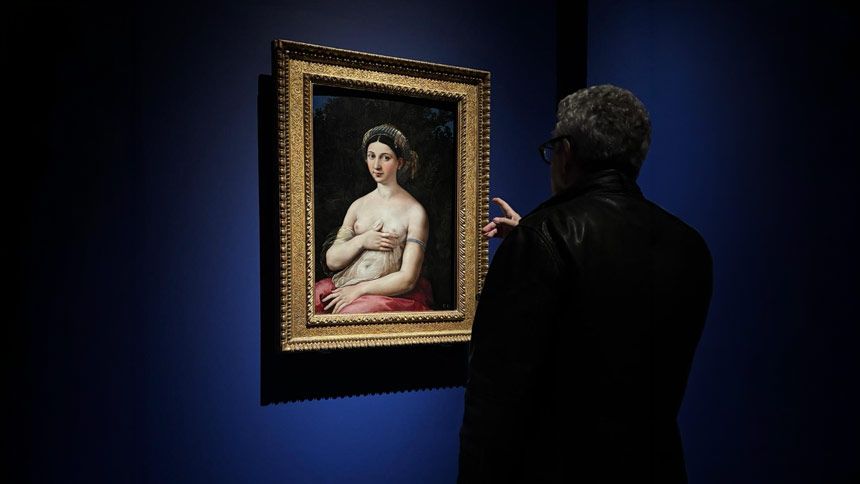
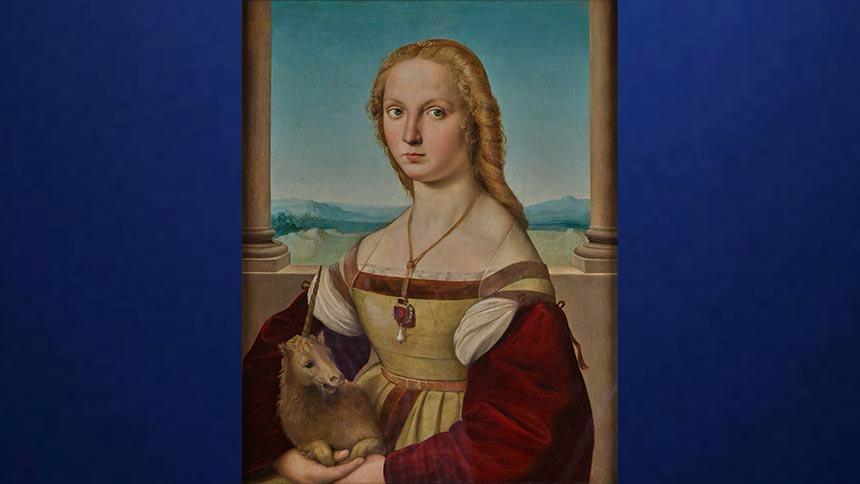
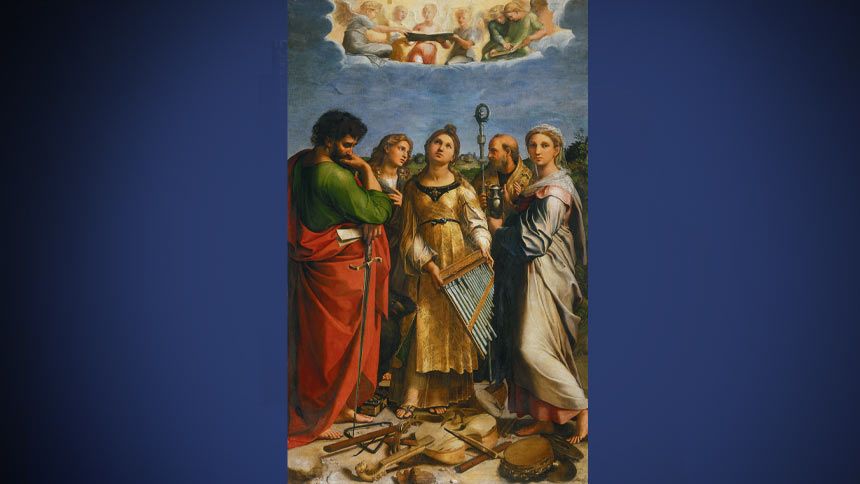
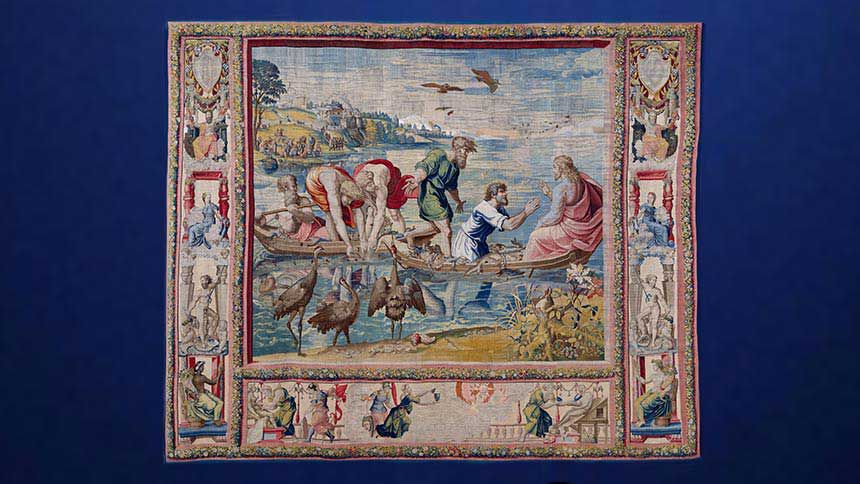
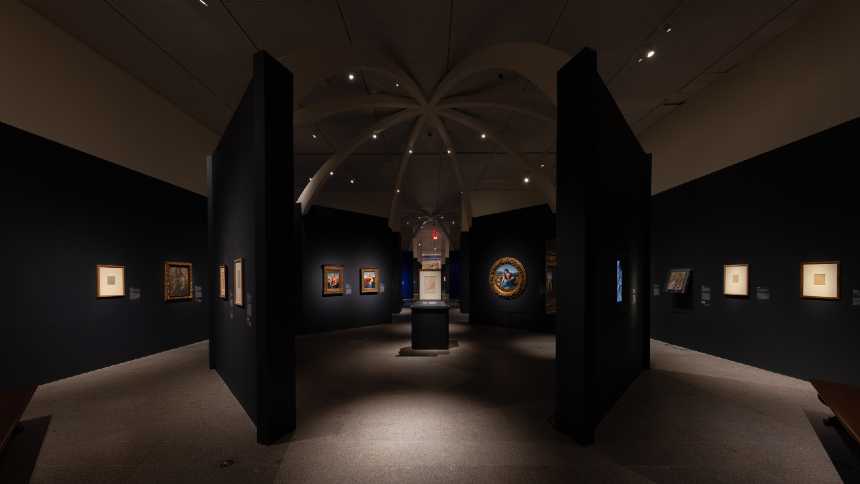
Right at the entrance of the exhibition, there is what is believed to be a self-portrait of Raphael at age 15, and the show follows a chronological order, divided into sections around key themes. Among them are the work Madonna and Child , and a series of portraits , including that of his lover, Margherita Luti, entitled La Fornarina (“The Little Baker”), and those of Bindo Altoviti and La Muta , three works that deserve special mention. There is also a room dedicated to the projection of the Vatican frescoes.
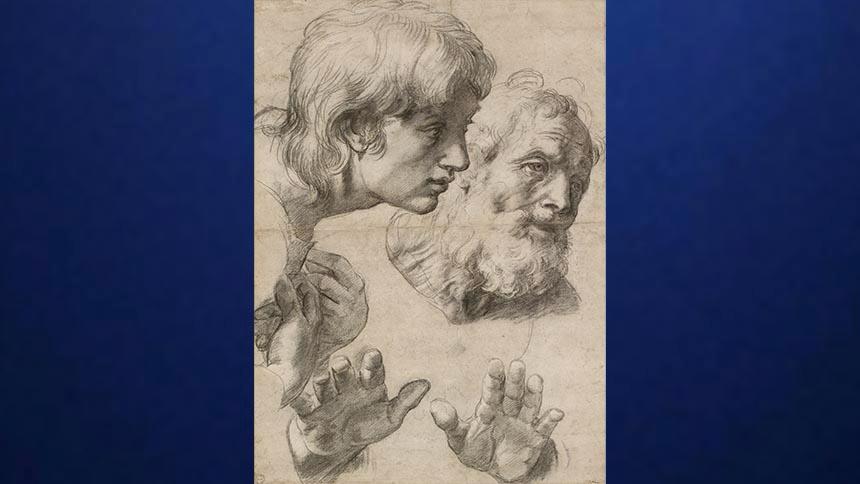
“Alongside paintings and prints, we have gathered 144 preparatory drawings, which allows us the privilege of 'peeking over the shoulder' of the artist 500 years later, entering his mind as he created these sublime compositions,” says the curator.
Rafael also distinguished himself as an architect, tapestry and theatrical set designer, and researcher of Ancient Rome. At times, he was also a poet, like his father. It is also known that he enjoyed a good party and that he was an entrepreneur who knew how to balance his career by spreading his style through collaborations with other artists, assistants, and engravers.
“During the last decade of his life, Raphael produced numerous projects simultaneously, with great organization, which perhaps explains why he died of overwork, and not just from a fever resulting from his love life, as Vasari claimed,” says Bambach, referring to Giorgio Vasari (1511–1574), painter, architect, and writer of the Italian Renaissance, known as the “father of art history.”
According to Vasari, Raphael died on Good Friday, April 6, 1520, the day he turned 37, a victim of a "violent fever" caused by excesses of "amorous pleasures" with his lover. As the historian recorded, however, he hid the cause from the doctors, who mistakenly treated him with bloodletting, leading to his death.
Perhaps the most poetic way to put it would be to say that Raphael died of love—and not of burnout . He is buried in the Pantheon in Rome, as was his wish.