

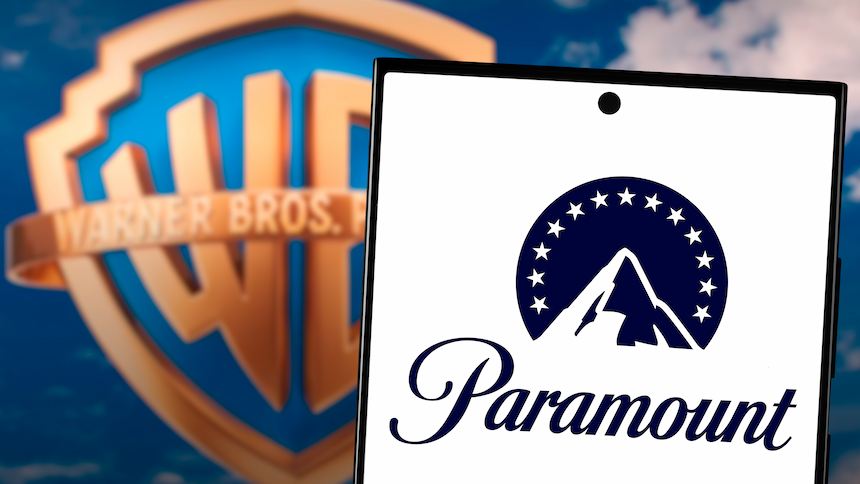
Nothing is more Hollywood than a dispute between media groups in Hollywood. The battle over Warner Bros. Discovery, which seemed to have been resolved with a billion-dollar deal with Netflix, has taken new turns and transformed into a true corporate saga, complete with a hostile takeover bid from Paramount Skydance , proxy wars, legal action, and accusations of governance failures.
The plot involves three major players: Warner Bros. Discovery, owner of assets such as Warner Bros. Pictures, HBO, and CNN; Netflix, the largest global streaming platform; and Paramount, led by David Ellison, who decided to challenge the Warner Bros. Discovery board with a proposal to buy the company outright.
The repeated refusals from the Warner Bros. Discovery board did not deter Paramount. What began as a dispute over who pays more is now unfolding as a battle over power, control, and the future of the entertainment industry.
In official statements, the assessment is that Paramount's offer does not meet the criteria for a "superior proposal," considering the costs, financial risks, and massive reliance on debt to finance the operation. And it reaffirms its recommendation to proceed with the agreement with Netflix.
Now, the dispute has escalated into the legal and political arena. Led by Ellison, Paramount decided to go beyond financial offers, resorting to the courts and launching a proxy battle to try to alter the composition and appoint its own directors to the Warner Bros. Discovery board, thus influencing any decision about the company's future – primarily to block the deal with Netflix and force a reassessment of the process.
Simultaneously, Skydance filed a lawsuit against Warner Bros. Discovery in Delaware Chancery Court, demanding the disclosure of calculations, financial models, and detailed information that, according to them, were omitted in the evaluation process between the two agreements.
Paramount claims that shareholders are being prevented from making a full and fair comparison between the proposals, especially with regard to the valuation of the Global Networks divisions (including CNN), which are not part of the Netflix deal.
In press releases and letters to shareholders, the company even stated that the sales process was "tainted" and that the Warner Bros. Discovery board had favored a single interested party to the detriment of a more transparent negotiation process.
Since the end of 2025, two visions have been vying for the fate of Warner Bros. Discovery. On one side, the announced agreement with Netflix, valued at approximately US$82.7 billion, which foresees the acquisition of the studios and streaming operations, leaving out a large part of the linear TV channels.
On the other hand, there's the hostile takeover bid from Paramount Skydance, estimated at over US$100 billion, which includes the entire group, from studios to television networks.
Details of the war
According to analysts, there are three factors that explain why this "saga" continues to unfold. The first relates to the values and structure of the proposals. Despite being numerically larger, Paramount relies on a significantly larger debt composition, which worries the Warner Bros. Discovery board and some investors about the ability to close the deal.
At the same time, Netflix's offer, although smaller in nominal terms, is seen by a large part of the market as more stable and with less risk of failure, especially because it does not involve taking over all of Warner Bros. Discovery's cable assets.
The second issue involves governance and control. Paramount's move to appoint directors and propose changes to the bylaws of Warner Bros. Discovery shows that the battle goes beyond just figures.
If Paramount manages to elect representatives to the board, it could reopen negotiations or even push for changes in the board's decisions.
Finally, the role of shareholders is key. With the Warner Bros. Discovery board resisting Paramount's offers, the dispute has reached the minority shareholders. Paramount has been addressing them directly, arguing that its offer is more advantageous and that they should have the final say on which transaction to choose.
In the coming months, the market will be watching the unfolding proxy war, with potential director votes and statutory changes that could redefine power within Warner Bros. Discovery. What is certain is that none of these chapters marks the end of the Warner Bros. saga.