


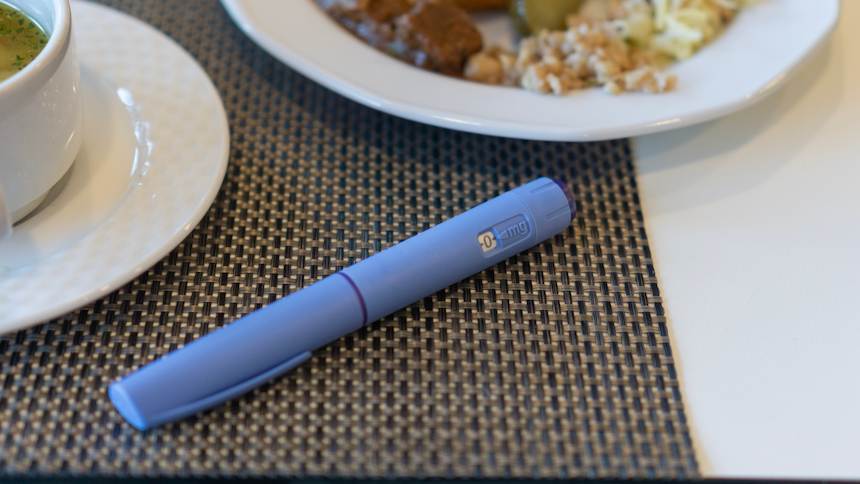
The use of GLP-1 has been causing a transformation in the eating habits of the Brazilian population. And, faced with the use of slimming pens, the entire food retail chain has been forced to adapt to the effects of Ozempic and Wegovy.
At Assaí , the strategy was to keep up with the demand for products more closely linked to these habits and go beyond food, either by offering services connected to this trend or by expanding the range of durable goods, not remaining solely focused on the food sector.
Two years ago, Assaí started including butcher shops in its stores to meet the growing demand for protein, becoming one of the largest meat sellers in Latin America , according to Belmiro Gomes, the company's CEO. Sales of carbohydrates and sugar, however, have declined.
Assaí is also starting to install pharmacies in its stores, taking advantage of bill 2.158/2023, which authorizes the sale of medicines in supermarkets with dedicated infrastructure and pharmacists.
“Why am I putting pharmacies in stores? Because pharmacies attract health-related customers, and as people lose weight, they consume supplements and vitamins,” said Gomes this Wednesday, January 28th, during the Latin America Investment Conference (LAIC) 2026, promoted by UBS and UBS BB . “These medications are causing a revolution.”
Meanwhile, Assaí has been working to expand its product range. Gomes says the company has already become the largest tire seller in Brazil and is bringing in more products, such as electric motorcycles. "We are expanding to reach new share of wallet ," he said.
From the food producer's perspective, M. Dias Branco has been reviewing its portfolio, seeking to add products that are higher in protein and more aligned with healthy habits. And this move hasn't been too difficult, according to Mateus Alencar, the company's commercial vice president.
“There’s a lot of protein in wheat, so it’s just a matter of adjusting production a little,” he said. “We started with a line of healthy products and are adding proteins and cereals, which are rich in fiber, something that has also been trending.”
This need for adaptation stems from the effects that the pens have on people's eating habits. According to Isabella Wanderley, former CEO of Novo Nordisk in Brazil, these medications reduce caloric intake by 20% to 30%, making it difficult for people to eat fatty foods.
Considering the expiration of patents on these medications in Brazil, plus the estimate that there are ten to fifteen different types of drugs in the pharmaceutical sector's development pipeline, these treatments are here to stay, just like the pursuit of healthy habits.
“Increased access and reduced prices will lead people to understand this as chronic treatment,” said Wanderley. “With improved access, people will stay in treatment longer.”
This, however, does not mean the end of indulgences, the infamous "sweets," nor that regional eating habits will be completely transformed, according to Alencar.
"It's not that people want to stop eating, but they want to eat smaller portions, try more things," he said. "We need to be careful not to underestimate or overestimate the strategy."