


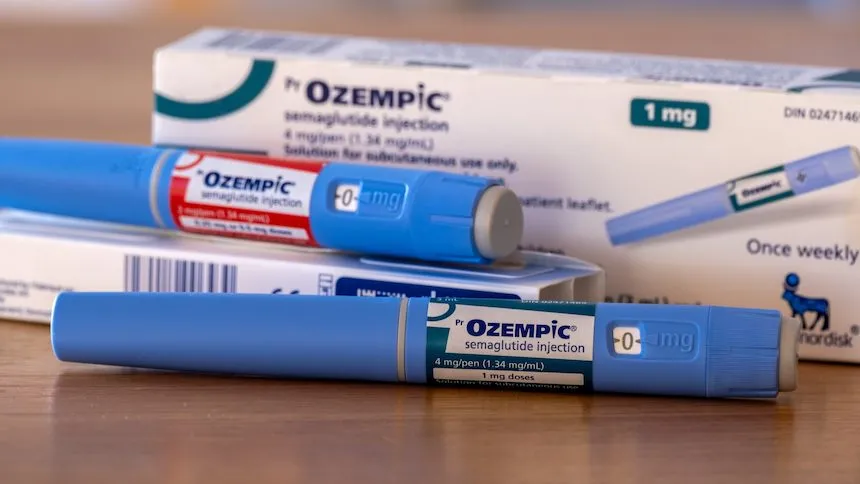
With R$10 billion in revenue last year, and projected to double in size by 2026, the market for slimming pens in Brazil is experiencing rapid growth. The bet on this expansion rests precisely on the expiration of the Ozempic patent in the country, which runs out on March 20th. However, even so, it remains a product for a select few.
The finding comes from a study produced by the global private equity consultancy LEK on access to obesity treatment medications in Brazil. Today, only 2% of the active population in the country (approximately 140 million people) uses some type of weight-loss pen, with the three active ingredients available on the market (liraglutide, semaglutide, and tirrizepatide).
This represents a universe of only 2.8 million people who use the product. The main reason for this selective offering is related to the high cost of the product. A box with four Ozempic pens, for example, costs no less than R$ 1,000. The Mounjaro pen , from Eli Lilly , can reach close to R$ 3,000, without the manufacturer's discount.
Even with the projected market growth following the expiration of the semaglutide patent, the trend suggests that this number will reach 8%. This expansion is significant, adding 8 million more consumers. Combined with existing users, the market reaches 11 million people – a still limited target audience.
Therefore, the trend is that, still in 2026, a market reality will emerge formed by two consumer categories: those who seek "entry-level" pens and, therefore, generic and cheaper options, and those who will remain in the "premium" segment, consuming brand-name medications manufactured by the industries that created the product.
“Brazil can evolve into a structurally segmented market. Higher-income patients and key prescribers should continue to value branded and next-generation therapies,” says the report from the consulting firm, signed by Mauricio França and Rafael Freixo, partners at LEK Consulting, and manager Danilo Simões.
The key point lies in the potential superiority of efficacy due to better tolerability and fewer gastrointestinal side effects. "Innovation competes primarily within the premium segment, not directly with generics."
According to LEK, products like Mounjaro and other even more efficient combinations under study, such as retatrud (still in the study phase), should anchor this premium segment.
There will also be the arrival of oral medications for those who dislike injections, such as Novo Nordisk 's slimming tablets, which should support this more selective market.
On the other hand, the fourfold increase in current consumption is directly related to the price drop since similar pens became available in pharmacies.
According to the consultancy, the expectation is that the price of semaglutide will fall by about 70% compared to current retail pharmaceutical prices, generating, from this scenario, a structural change in accessibility in a market predominantly based on direct payment ( cash-pay ).
"Rapid expansion of access is expected as lower prices enable pharmacy-led substitution, driving the transition from niche to mass adoption," the study states.
Although several players in the pharmaceutical industry have announced their intention to enter the market for slimming pens, especially those containing semaglutide, LEK's bet is that the company EMS (which already has similar pens containing liraglutide) will make a significant and faster advance in the semaglutide market.
In addition to the Sanchez family company, the consultancy sees room for growth for Eurofarma (which since last year has had a marketing partnership with a new semaglutide brand from Novo Nordisk), Hypera Pharma, and Aché.
According to the consulting firm, the new configuration of the Brazilian market for slimming pens should serve as a kind of test for other countries, which will be watching the industry's movements and consumption trends in the country, especially from the second half of the year onwards.
"Brazil can be considered an initial stress test for the global post-generic LPG-1 market, as price-driven access expansion will reveal the dynamics of global demand," say the experts at LEK. From now on, the world will observe the evolution of the pace of the Brazilian population's "stroke of the pen."