


The smooth running of the electric vehicle market for China's BYD and Germany's Volkswagen , particularly in Europe, doesn't seem to be the same for the Franco-Italian giant Stellantis . The automaker announced a $26 billion write-down on Friday, February 6th.
The company stated that it had overestimated the demand for electric vehicles. This initiative will cause the automaker to abandon some of its planned investments in this category, mainly due to the strong resistance in the United States market.
The impact was immediate on the financial market. Before the opening of the New York Stock Exchange, stocks had already accumulated a 23.9% drop. In Milan, the fall reached 24.6% around 3:10 PM (local time).
As a result, the company's shares hit their lowest level since its creation in 2021, following the merger of Fiat Chrysler Automobiles and the PSA Group, the manufacturer of Peugeot.
“The write-downs largely reflect the cost of overestimating the pace of the energy transition, which distanced us from the real needs, resources and desires of many car buyers,” Stellantis global CEO Antonio Filosa told the Wall Street Journal .
The financial volume reported by the automaker is the highest ever reported by a manufacturer in relation to unsuccessful electric vehicle initiatives, which focused investments mainly after the initial success of Elon Musk's Tesla, which is now experiencing sales declines and losing ground in the global market.
Other companies have already reported difficulties related to the battery-powered car market. In December, Ford reported a loss of US$19.5 billion, and is now redirecting investments to hybrids. In January, General Motors announced a US$6 billion impact from write-downs.
American consumers have been reluctant to buy electric vehicles due to high prices, concerns about range, and access to charging locations. Another impact was the revocation, by President Donald Trump, of exemptions implemented during Joe Biden's administration, which amounted to $7,500 per car.
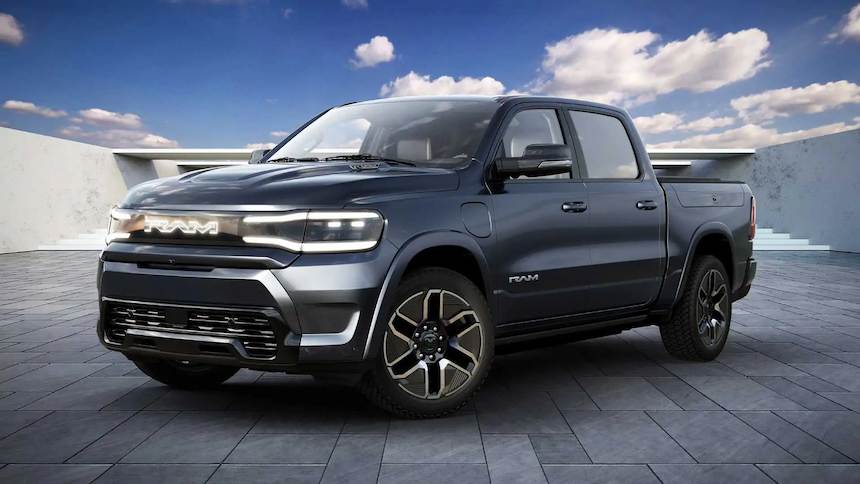
Stellantis stated that approximately two-thirds of these expenses are related to vehicle platforms whose projects were canceled, such as the RAM 1500 EV and the Jeep Wrangler 4xe. Another portion of the expenses is linked to the electric vehicle supply chain, including the sale of a stake in a Canadian battery factory.
And, like other automakers, the company is shifting its focus to conventional hybrids, a more accessible technology that doesn't require drivers to change their habits.
Since taking over the leadership of Stellantis in June of last year, Filosa has been working to undo some of the bets made by former CEO Carlos Tavares, such as investments in hydrogen fuel cells. The company announced write-downs of approximately US$4 billion in its results for the first half of 2025.
Although analysts had predicted further losses for the second half of the year due to measures taken by Ford and GM, the bill presented now was much higher than expected.
It is estimated that nearly US$8 billion of Stellantis' expenses involve cash payments, such as compensation to suppliers who need to be compensated for canceled orders.
The company also stated that it expects to record a net loss of between €19 billion and €21 billion in the second half of 2025. Even excluding accounting write-downs, its operating profit projection for the year fell short of the company's expectations, reiterated in December.
The owner of Jeep, Fiat, and Peugeot stated that its adjusted operating margin, which is now expected to be negative compared to last year, will be in the low single digits in 2026. This includes a projected €1.6 billion in tariff costs, up from €1.2 billion in 2025.
On the Italian stock exchange, Stellantis shares have fallen 51.3% over the past 12 months. The automaker is valued at €17.8 billion.