


August 2025, Balearic Islands, Spain. At the height of the European summer, wealthy tourists strolled through the streets of Mallorca when the action began. Aboard a rented car with false documents, the thieves stole a watch from a middle-aged man. It all happened very quickly. Within an hour, another attack—and yet another luxury item stolen.
Days later, the gang was already in Ibiza. The same strategy, the same targets. In less than a week, five high-end watches, valued at €525,000 (approximately R$3.2 million), were snatched from their owners' wrists. In early February, two suspects were arrested in London and a third was detained in Barcelona.
The attacks took place on two of the most popular islands in the Mediterranean, but they could have occurred in any seaside resort or city in the world: never before has fine watchmaking so fueled the greed of criminals.
Last year alone, 10,000 items were added to The Watch Register, a global database of serial numbers for stolen or missing luxury watches—at the astonishing rate of one item per hour.
To give an idea of the escalation of crime, this is 30% more than the amount recorded in 2024. Searches of the system also increased—29%, with more than 280,000 watches searched during the period. And the number of jewelers, auction houses, and retailers registered with The Watch Register jumped 42%.
Since its founding in London in 2017, the platform has cataloged around 114,000 watches — with an estimated value of £1.7 billion (approximately R$ 12.1 billion).
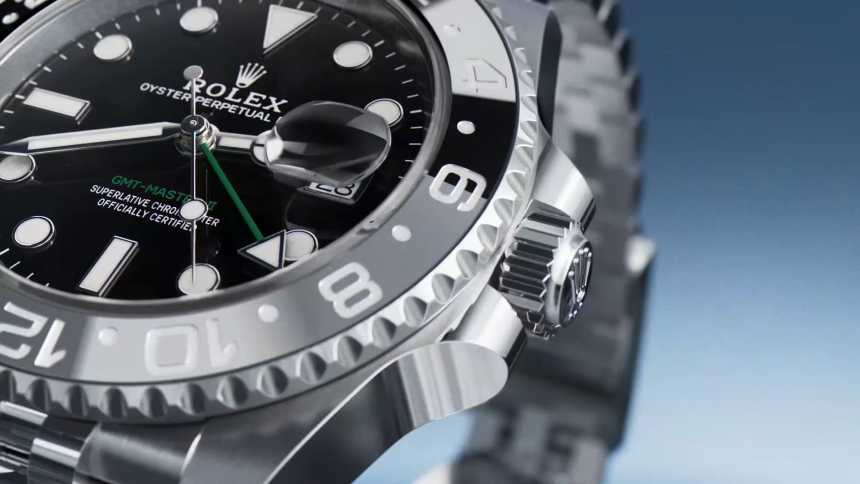
Among the 850 registered brands, the most targeted by thieves is Rolex , with 51% of thefts reported in 2025. But there are also pieces from Cartier , TAG Heuer , Omega, Audemars Piguet, Patek Philippe , Breitling, IWC, Jaeger-LeCoultre… if it's a watch and it's a luxury item, thieves are interested.
By following the logic of luxury, exploiting scarcity to awaken desire, the major watchmaking houses stimulate the used goods market.
Since mid-2018, the prices of pre-owned watches from the most sophisticated brands have grown on average more than twice as fast as the S&P 500 index, according to a survey conducted by the Boston Consulting Group in partnership with WatchBox.
Thus, some models are considered among the most promising assets today. The average values of Rolex watches, for example, increased by more than 550% between 2010 and 2025, jumping from US$2,000 to almost US$14,000, according to calculations by Bob's Watches, one of the largest resale platforms in the world.
Valued at US$24 billion in 2023, the global market for pre-owned luxury watches is expected to reach US$45 billion by 2030, growing at a compound annual growth rate of 9.2%, according to analysts at the consulting firm Grand View Horizon. And, once again, Rolex models remain at the top of the market, accounting for almost half of the total value transacted.
By increasing liquidity, price predictability, and the international circulation of goods, the secondhand trade facilitates organized crime. With widely known prices and buyers spread across the globe, it is not difficult to convert a stolen item into cash.
Currently advancing at an accelerated pace, the trafficking of luxury watches is beginning to approach the value of the black market for works of art , generating around US$2 billion per year. And the trend is upward.
After all, watches are small and easy to carry. A Rolex or a Patek Philippe can be carried in a pocket or even on the wrist without being noticed — the logistics of smuggling a Picasso, on the other hand, are much more complex and attract much more attention. Thus, watches cross borders with fluidity and agility.
A Rolex on board a Lamborghini.
Concern about the illegal trade is so great that, recently, some insurance companies are creating specific policies for watches — which were previously covered under the "personal property" clause of home insurance, as shown in a report by The New York Times from September 2025.
A survey conducted by the market analysis firm Industry Research perfectly illustrates this trend. While the global jewelry insurance market, which includes luxury watches, generated US$9.8 billion in 2023, it is projected to exceed US$18 billion in 2033.
"This increase is attributed to factors such as the growing number of high-net-worth individuals and the higher incidence of jewelry theft and loss," reads the study's presentation. "And insurers are responding to this demand by offering more comprehensive and customizable policies."
At Jewelers Mutual Insurance Company, based in Wisconsin, USA, contracts focused on watches already account for almost 20% of all policies.
Until the Covid-19 pandemic, luxury watch thieves primarily targeted boutiques. Today, criminals use the so-called " snatch-and-grab " method.
On a Saturday in May 2024, a 64-year-old businessman was driving his Lamborghini down Faria Lima Avenue in São Paulo when a motorcycle robber stole his Rolex. The man tried to chase the robber, but it was in vain. The thief fled with the R$200,000 watch.
However, it's not all bad news. Last year, The Watch Register managed to identify 1,340 stolen or lost watches, an 18% increase compared to the previous year. That's equivalent to five watches per day, half of which were lost within the last year. Therefore, it's important to have the watch's serial number — #protip.