













After growing its real estate portfolio from R$600 million to R$40 billion, Patria has entered a different phase of the expansion that began in 2021. The asset manager is now reorganizing the portfolio inherited from acquisitions and focusing its efforts on integrating its real estate vehicles.
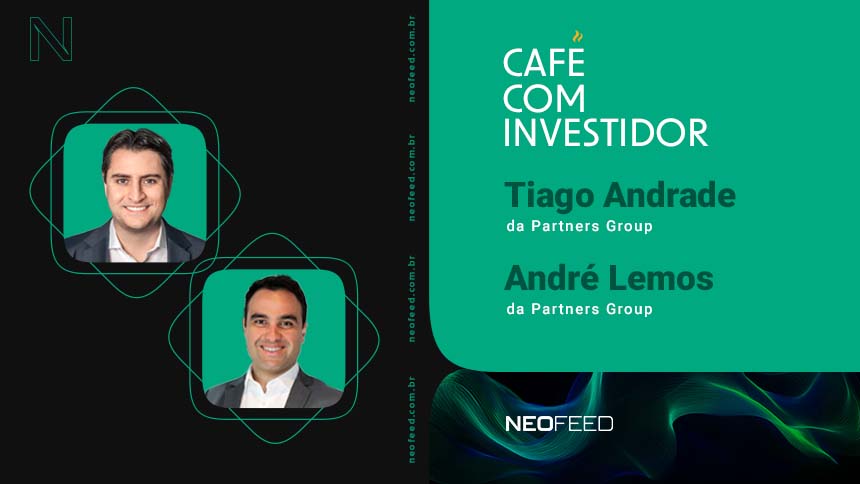
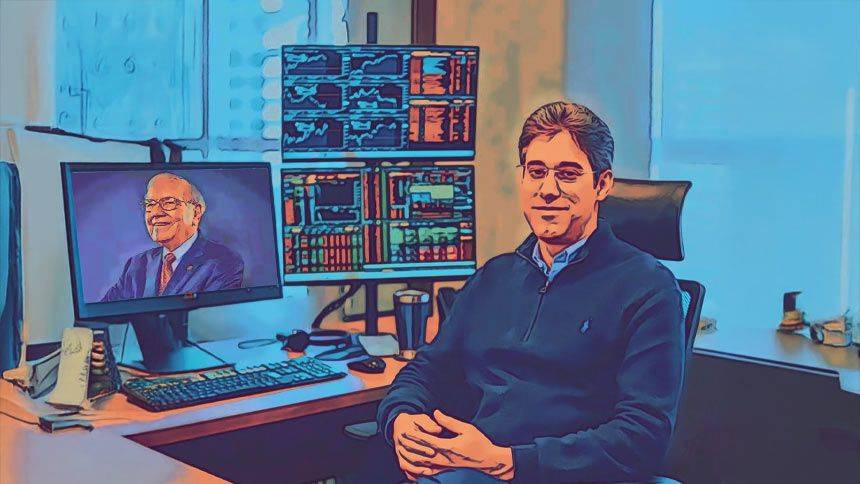
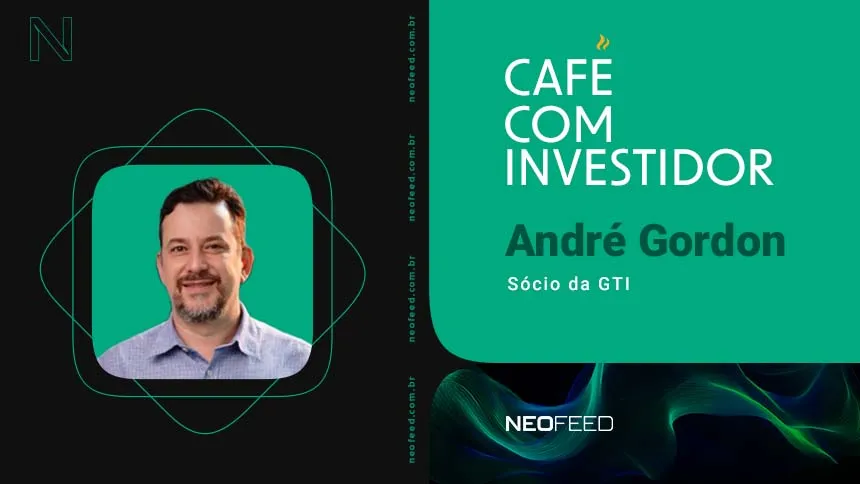
The goal is to operate with funds of at least R$ 5 billion, according to Rodrigo Abbud, partner and head of real estate at Patria. “We had up to 40 real estate funds. That's not reasonable from a management perspective,” says Abbud, in an interview with Café com Investidor , a program that is a partnership between NeoFeed and CNN Brasil , broadcast bi-weekly on CNN Money ( the program starts at 12:10 ).
The number is a direct result of the growth strategy via M&As: VBI , Credit Suisse/UBS , Acts, Genial , and part of RBR . Each acquisition brought its own structures, teams, portfolios, and listed funds. The challenge now is to transform this mosaic into a single platform.
Consolidation has three vectors. The first is liquidity. "It's much better for the investor to be a shareholder in a large fund. The daily trading volume is much higher," says Abbud.
The second is diversification. Larger funds dilute vacancy and renegotiation risks. "If an occupant of 100,000 square meters leaves, in a small fund the share price will plummet. In our case, it practically doesn't change."
The third vector is operational efficiency, with fewer reports, fewer parallel structures, and less overlap of strategies.
The process has already produced significant developments. In the logistics sector, all the vehicles were brought together in a single fund, which today has a market value of R$ 11 billion. According to Abbud, it is the second largest listed vehicle on the stock exchange, behind only Allos .
In the shopping mall sector, Pátria approved the merger between RBR Malls and Patria Malls, creating a fund of approximately R$ 2 billion, with new fundraising underway that could add another R$ 500 million. In the credit vertical, the acquisitions of Acts and Genial allowed for the reorganization of the CRI funds and the expansion of the scale of the securities.
There are still pending steps. Abbud cites the need to reduce the number of urban income funds, review structures inherited from incorporated asset managers, and simplify smaller vehicles. "I need to organize things in terms of the number of funds. There's no point in accumulating funds and not working on the synergistic advantages," he states.
Patria doesn't rule out new acquisitions, but Abbud conditions any move on clear synergies. "We don't need anything else. But if we do, it would be either very opportunistic or very complementary."
The focus, for now, is on completing the integration and transforming the portfolio of 40 funds into a leaner platform, with large, liquid, and diversified vehicles.
In this interview, which you can watch in the video above, Abbud also talks about how high interest rates are a limiting factor in the growth of the real estate market and discusses the impact of artificial intelligence on his daily life.


