

The capture of Venezuelan President Nicolás Maduro by the United States over the weekend added a dose of uncertainty to Latin American geopolitics. In US custody in New York, Maduro is expected to be tried in an American court on drug trafficking charges.
On Monday, January 5th, the effects of the operation are limited, with the main currencies and stock markets in the region rising. Despite this relatively calm atmosphere, UBS economists believe that the action in Venezuela could lead investors to reassess risks in the region.
In this context, the Swiss bank states that Colombia and Mexico emerge as the countries most vulnerable to pressure from Washington, given the presence of large drug cartels. Both countries have also been the target of verbal attacks from Donald Trump.
After Maduro's capture over the weekend, the American president went so far as to suggest that an intervention in Colombia "sounds good" and said that "something will need to be done" regarding Mexico.
“The direct intervention of American military forces in Venezuela should serve as a warning to these countries. Mexico and Colombia are the two markets where this repricing is most likely to materialize and where, in our assessment, volatility may increase,” says UBS.
The starting point doesn't help the economies of these two countries either. According to UBS calculations, the Mexican peso is about 7% above its fair value and could suffer greater volatility with the review of the United States-Mexico-Canada Agreement (USMCA) , scheduled to take place by July.
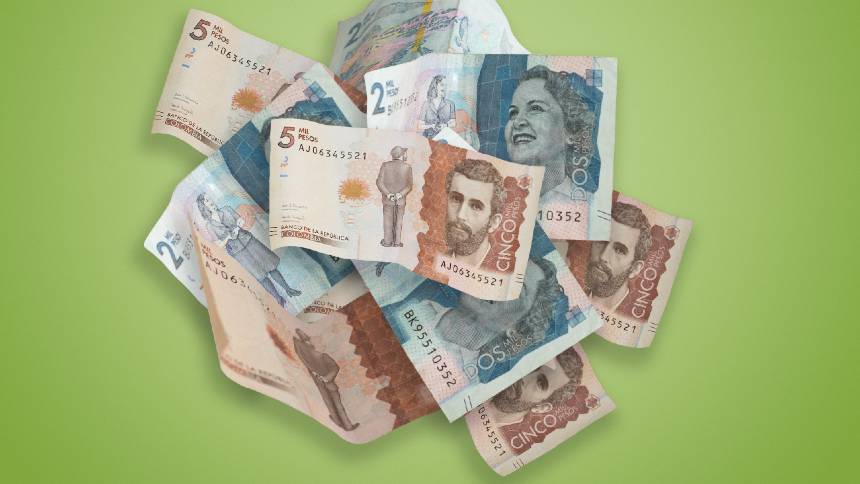
The Colombian peso is estimated to be 8% more expensive, according to the bank, and may face even more headwinds this year, with rising inflation, presidential elections, and direct tensions with the Trump administration.
"The risk-return ratio for betting on the Colombian peso at these levels is not only unfavorable, but the peso's sensitivity to headlines related to US-Colombia politics may also increase," the report says.
UBS, however, sees more limited risks for other Latin American countries, including Brazil. "Brazil is a large economy and its relationship with the United States can be said to have improved in recent months."
The bank also sees no substantial risks for Chile and Peru. “However, risks could increase if weekend developments trigger broader geopolitical concerns, which put pressure on global growth expectations and, consequently, commodity prices.”
On the other hand, UBS economists believe that the United States' action in Venezuela has reinforced confidence that Washington will continue to support the government of Javier Milei in Argentina. "This was decisive for Milei's victory in the 2025 midterm elections."