


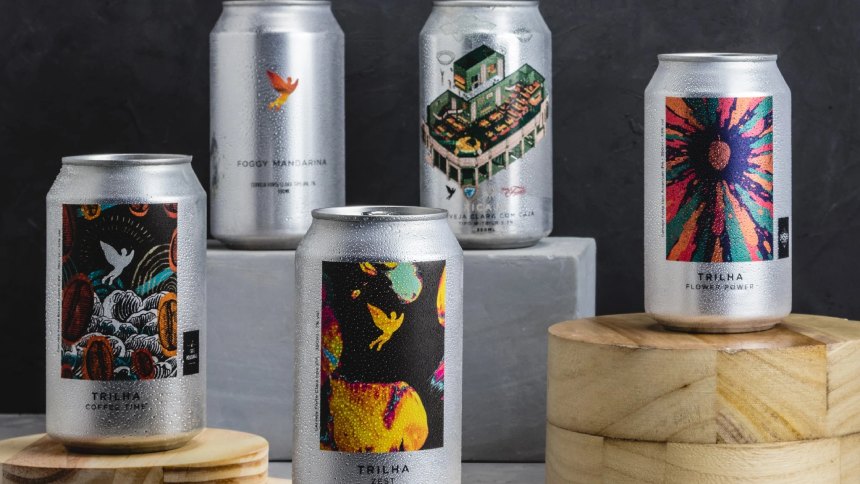
In the first week of February, those who visit Trilha Cervejaria will encounter flavors that go far beyond water, malt, hops, and yeast—the four traditional ingredients of beer. Aromas of coconut cake and chihuahua, with hints of grape and lychee, will be the new offerings from a brand known for being out of the ordinary.
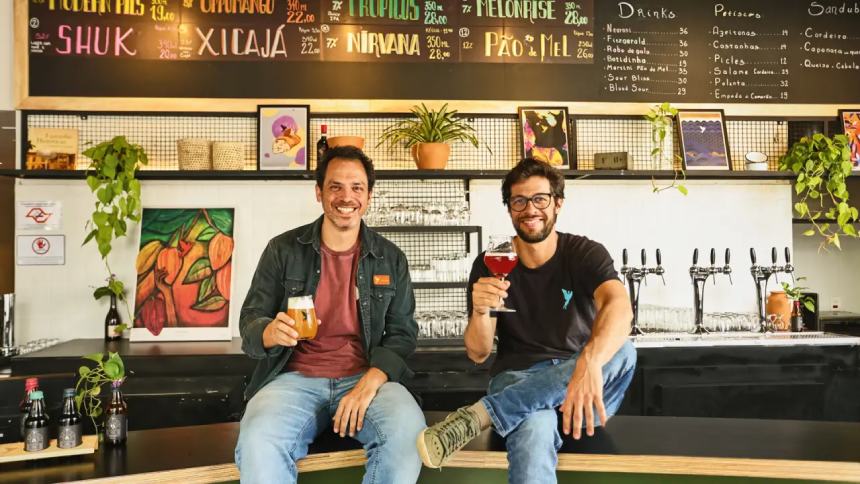
The new year has barely begun and Trilha, created by childhood friends and beer lovers Daniel Bekeierman and Beto Tempel – one with years of experience in the corporate market and the other with a long career in gastronomy , respectively – has already launched four labels, one for each week of 2026.
From small batches to small batches, the São Paulo-based brewery has developed around 500 different flavors of the beverage in its ten years of existence. And few of them fit into the traditional category.
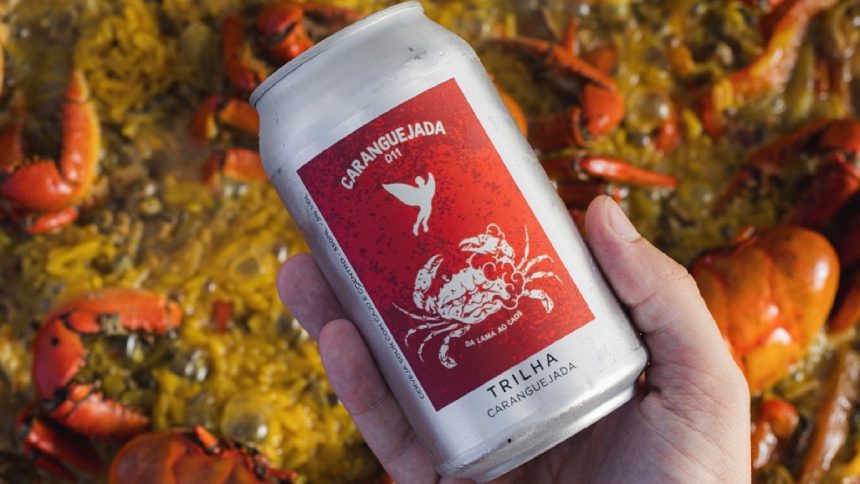
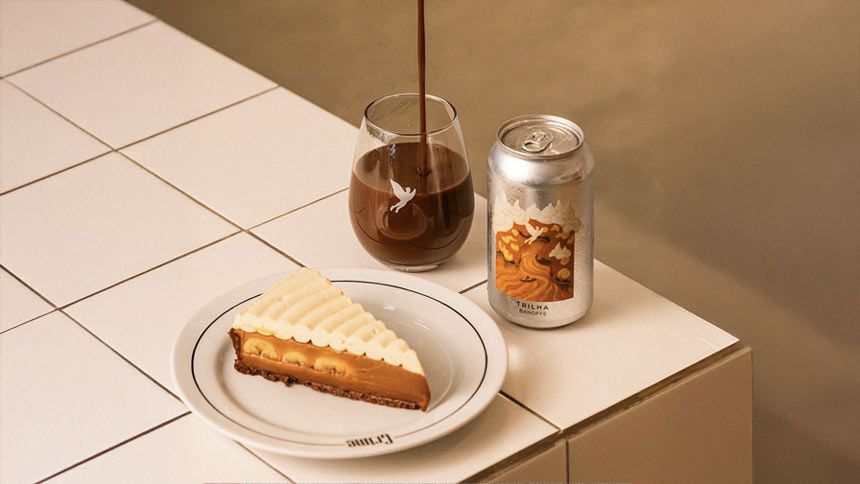
In its four locations in São Paulo, Trilha offers flavors such as gingerbread, coffee, yellow fruits, and even cashew with cilantro, in addition to the more common IPA and Pilsner varieties, all with the so-called "Trilha touch." In total, at least 52 new labels are developed per year, all with a distinct and unique visual identity, developed internally to differentiate themselves from the "heavy" image of beer exploited by the market.
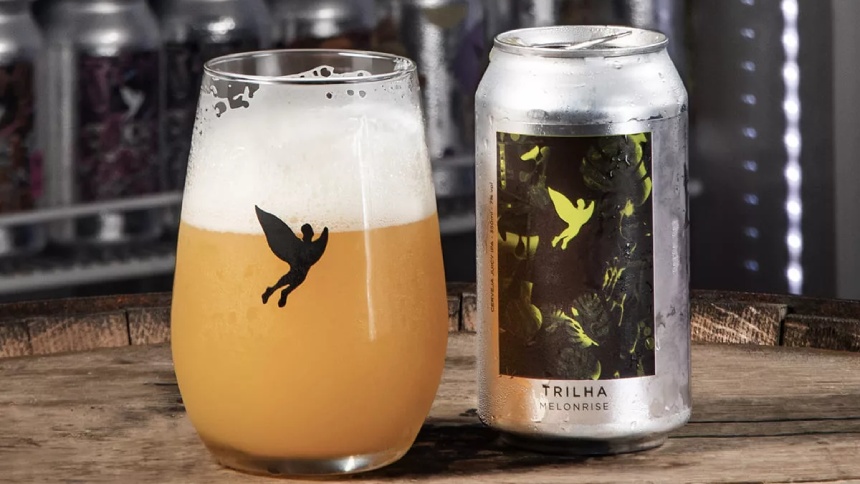
There, the best-selling beer is Melonrise, the first recipe created by the partners, which contains melon and noble hops in quantities ten times greater than a traditional IPA. The brewing process uses a technique that extracts more intense aromas and flavors, which, combined with the concept of unpasteurized beer, makes it sensorially more explosive. A 350-milliliter (ml) can costs R$ 30 – the same price range as the other labels offered there.
“From the beginning, our idea was to position ourselves at the top of the category and improve the Brazilian perception of beer,” says Bekeierman, in an interview with NeoFeed .
“For that, our beer needed to be inventive and escape the logic of the large brewery's distribution chain. So, although we make some more classic styles, our vocation is to take advantage of the best ingredients we have here and think outside the box,” he adds.
To develop these unusual flavors, they raised capital through a family and friends scheme to "crack the code" of beers they saw on the international market, such as those from the Netherlands, Belgium, and the United States. With this focus, they set up a small laboratory and brought in 60 of the best international beers until they found their own recipe – and from it, developed their future inventions.
That laboratory has been transformed into a factory with a capacity of 18,000 liters per month, which supports the 20 types of beer sold by the company. At Trilha, production is quite varied. Some flavors arrive in limited editions, with only a thousand cans bottled, while the regular labels are produced continuously.
The next phase of the brewery's expansion is planned. Trilha aims to reach at least 15 physical locations in São Paulo, exploring part of the gastronomic potential that the partners believe is undervalued in the region. Also in February 2026, the group will inaugurate another unit, this time located in the Higienópolis neighborhood, in the famous Praça Vilaboim.
Even with its growth, Trilha's capacity is far from approaching that of the giant traditional breweries, but that's really not the company's intention. For the founders, one thing has always been very clear: Trilha is a special beer, to be tasted and appreciated at specific moments, which doesn't compete with the entry-level category of the market.
“Our audience moves between mainstream and craft beers; that is, they might go to a samba gathering and drink a large beer, but they'll also have a moment during the week when they'll set aside time to drink a Trilha in a more conscious way, appreciating that product,” says Bekeierman. “For us, this is very natural. It's complementary consumption, and that's great.”
Although the market is already quite established, the businessman states that he sees significant changes in the consumption of younger people , who, in the midst of the search for health and quality of life, have been giving preference to more artisanal drinks, whose origins they understand and whose production methods they value.
It is in pursuit of this audience that Trilha develops various partnerships with restaurants and brands, in addition to creating events such as themed races, developing a true network of contact with consumers, who often do not have access to the world of craft beer.
Competitiveness of craft beer
Between 2020 and 2025, the number of breweries in Brazil increased from 1,383 to 1,949, further intensifying competitiveness. Despite consumer taste for craft beer being much more mature and growing year after year, the sector remains quite challenging.
According to Bekeierman, the reason many breweries close prematurely lies in their very conception. "Today, homebrewing , which is the production of beer at home, is very strong, right? A person starts making a product, invites friends to try it, they fall in love with it, and suddenly, they open a brewery to sell that product," he says.
In his view, while the market revolution began in this way, there is also the problem of a lack of structure, since it wasn't conceived as a business.
“The guy who brews beer in a pot at home and opens a brewery hasn’t thought much about branding, positioning, distribution, and doesn’t have much ambition… his power lies in the product that sells itself,” says the businessman. “But at the same time, it’s a challenge.”
Trilha doesn't face this problem. With a well-defined purpose and brand since its inception, the brand now extends beyond Brazil and fulfills international orders for its creations. To date, the company has exported beer to Europe three times and collaborated on flavors in the United States.
Now, the brewery's focus is on expanding its range of consumers and beverages, investing in products such as teas and even whiskey aged in beer barrels.
“Now that we have our distribution and manufacturing network established, it’s time to open our minds and take creativity to new levels. We see many opportunities in the coming years,” says Bekeierman.