

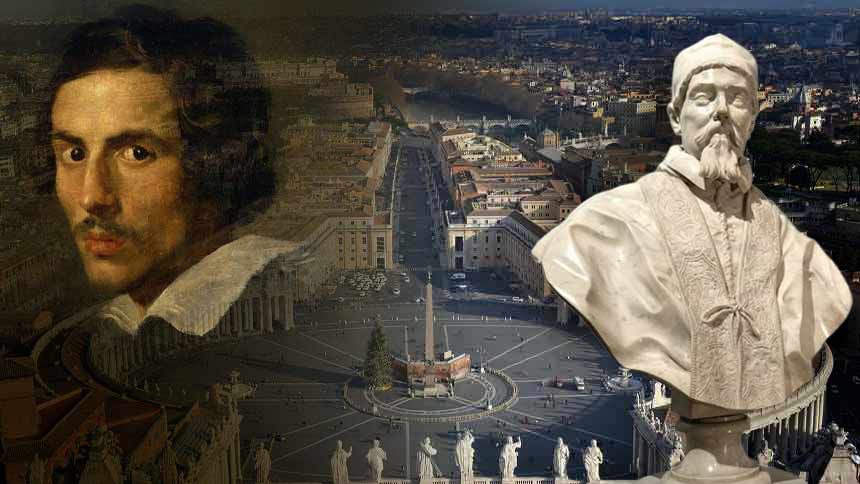
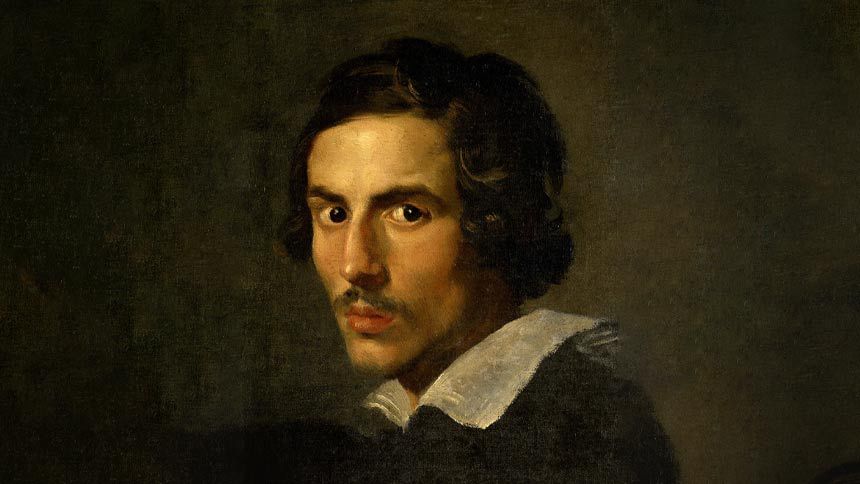
Rome - There was a time when art was a matter of state. In 17th-century Rome, few partnerships illustrate this as clearly as the one that united the Neapolitan Gian Lorenzo Bernini (1598-1680) with the powerful Barberini family, under the pontificate of Urban VIII (1568-1644). More than a relationship between artist and patron, it was a strategic alliance that shaped the Baroque face of the Italian capital.
Without the patronage of the Catholic Church, symbolized by its greatest representative, the Pope, much of this legacy would not exist. From the relationships established between the bourgeoisie and creators who worked on commission, the prevailing model at the time, architectural jewels and masterpieces of sculpture and painting were born.
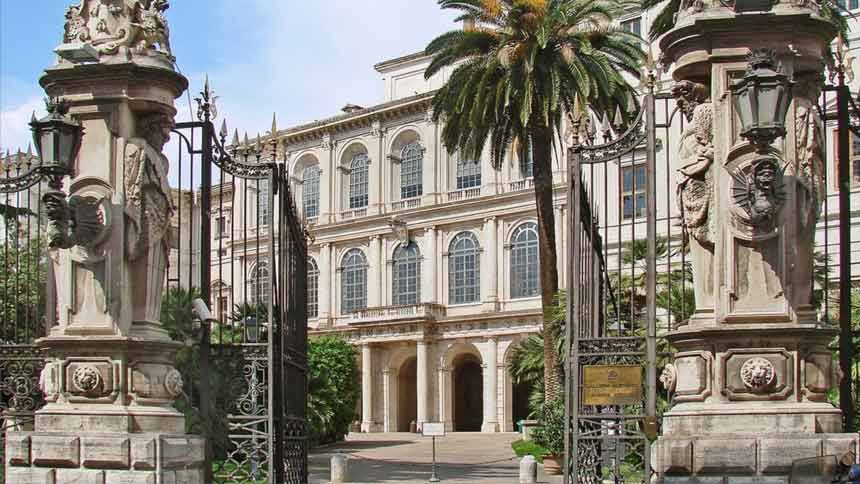
To shed light on this fascinating chapter of history, the Palazzo Barberini, a public institution, is hosting the exhibition Bernini ei Barberini (Bernini and the Barberini) from February 12 to June 14, 2026, curated by Andrea Bacchi and Maurizia Cicconi.
The retrospective has a budget of €1.2 million (R$7.6 million) and features mainly treasures from Italian collections and some foreign loans. "Few cities in the world can present an exhibition like this," curator Andrea Bacchi told NeoFeed .
As visitors ascend the marble staircase leading to the exhibition area, they begin to understand the power of the "Bernin-esque" building constructed in 1625.
Upon assuming the papacy in 1623, Cardinal Maffeo Barberini, named Urban VIII, took Bernini under his wing. Young, talented, and already recognized as a prodigy, the sculptor, architect, and painter found in the pontiff a patron willing to transform art into an instrument of political and spiritual affirmation.
The mission was clear: to glorify the power of the Church and the Barberini family through images that would evoke emotion. At that time, an influential family needed to leave three marks: elect a pope, build a grand house, and amass a collection of masterpieces to house within it. The Barberini family had it all.
The family, originally from Tuscany and later established in Rome, spent a great deal of money, even though they were not nobles of lineage like the Medici, the Borghese, or the Pamphili (they were merchants, selling fabrics on the street). Everything changed when Maffeo became Peter's successor.
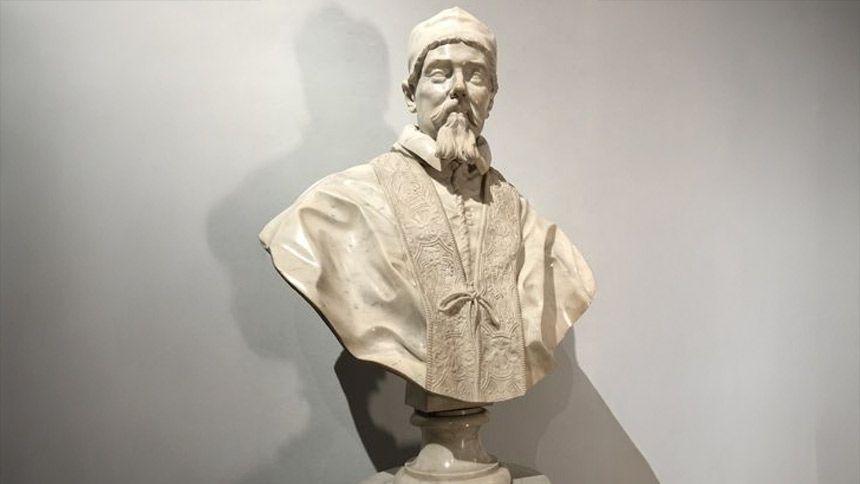
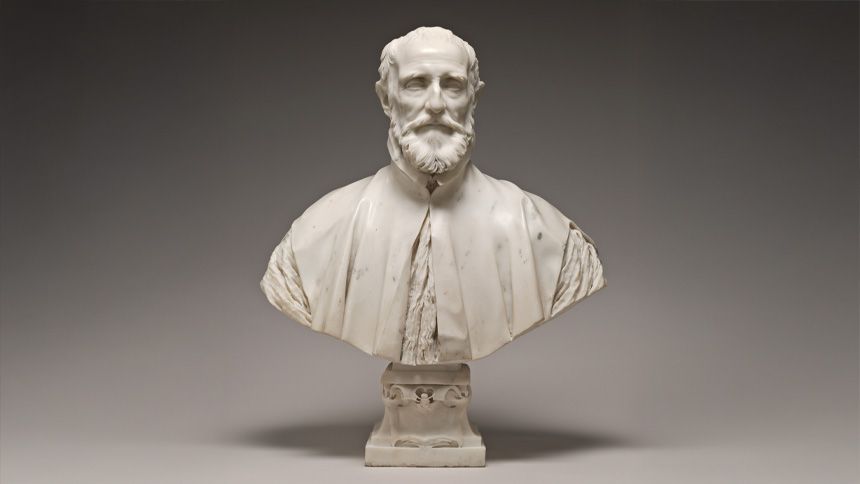
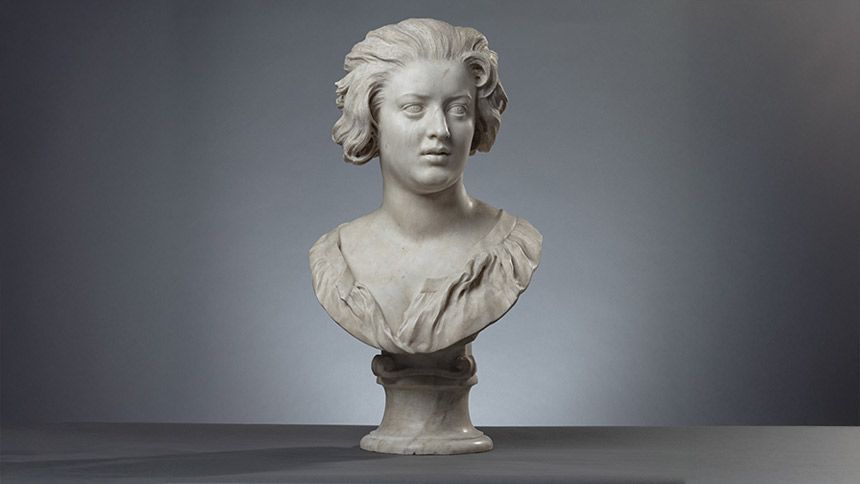
In addition to commissioning the artist to build a house for his family, the imposing Palazzo Barberini, Maffeo also requested marble busts and paintings, and took his pupil to create works for the Vatican as well.
The exhibition has six sections, each dedicated to a fundamental aspect of the relationship between Bernini and the Barberini family. The journey follows the genius's early career years to his absolute artistic maturity, when he created his own language, distinct from that of his father, Pietro Bernini (1562-1629), who also created art.
Works such as Saint Sebastian, from the Thyssen-Bornemisza Museum in Madrid, and the Putto with Dragon, from the J. Paul Getty Museum, symbolize the moment when Baroque sculpture was born. The exhibition will also bring back, for the first time, a gallery of busts of the ancestors of the influential family, sculptures carved in marble and bronze, now in public and private collections.
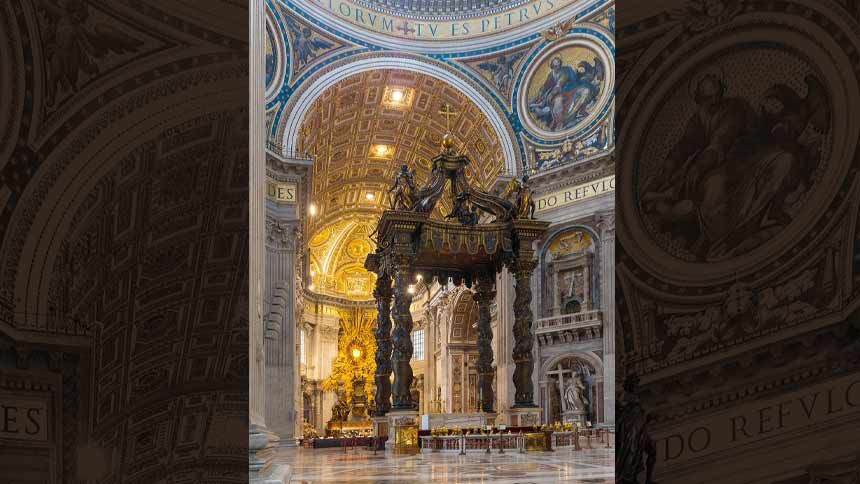
It is worth remembering that the pinnacle of the Bernini and Barberini partnership is the Baldacchino, a decorative structure that occupies a prominent place in the center of the altar of St. Peter's Basilica. When Pope Leo XIV celebrated Mass, that is where he stood.
A series of drawings, engravings, and models help to explain this masterpiece, which has a peculiar history regarding its creation. Romans criticized the removal of tons of bronze from the Pantheon, a monument built between 118 and 125 AD during the reign of Emperor Hadrian (76-138), to construct the religious relic.
The phrase "Quod non fecerunt barbari, fecerunt Barberini" (What the barbarians did not do, the Barberini did) expressed popular discontent. In addition to this monumental heritage, the artist was also responsible for the architecture of Piazza San Pietro (St. Peter's Square), a circular square with 284 columns and 140 statues of saints on top.
In 2026, the Catholic complex will celebrate 400 years of consecration, marking the moment when the world's largest church was officially dedicated to God for exclusively sacred use.
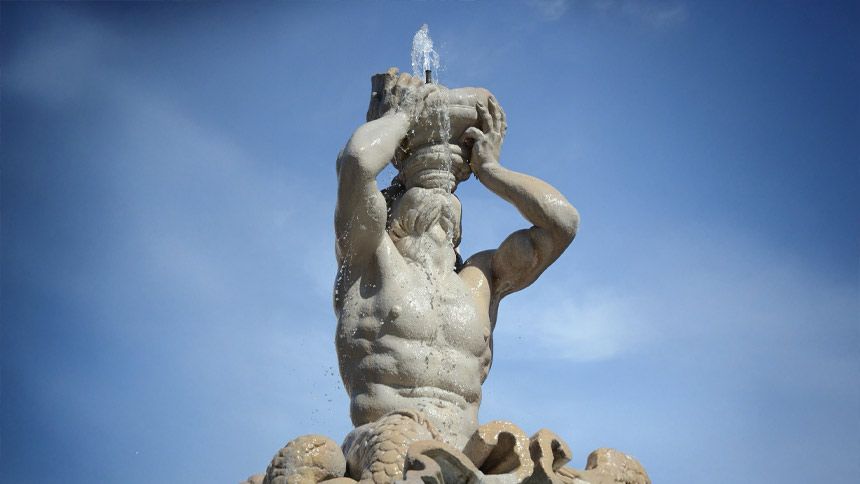
This legacy allowed the Italian to continue producing other works scattered throughout Rome, such as the Fontana dei Quattro Fiumi (Fountain of the Four Rivers), the Cappella Paolina di Palazzo del Quirinale (Pauline Chapel of the Quirinal Palace), the ceiling of the Chiesa di Sant'Andrea al Quirinale (Church of Saint Andrew on the Quirinal Hill), and sculptures.
But the relationship between power and art did not last forever. With the death of Urban VIII in 1644 and the arrival of Pope Innocent X (1574-1655), an adversary of the Barberini family, Bernini lost influence and prestige. Despite his decline, he received the honor of being buried in the papal Basilica of Santa Maria Maggiore (Saint Mary Major), where Pope Francis (1936-2025) is also buried.
The exhibition invites the public to revisit this history. (Re)discovering Rome through a Baroque lens and understanding how an artist's vision and a family's ambition transformed the city into an eternal symbol of influence, offering the world unparalleled beauty, is a wonderful journey into the past. “Rome is Bernini and Bernini is Rome,” a saying heard in the Italian capital, is more relevant than ever.