

New York — “Welcome to hell. Now, recreate the soup.”
With this phrase, French chef Skinner welcomes the new cook, Remy, to his Michelin-starred Parisian restaurant. The scene, from the 2007 animated film Ratatouille , has gone down in history for symbolizing the cruelty experienced behind the scenes of international haute cuisine , including in Brazil.
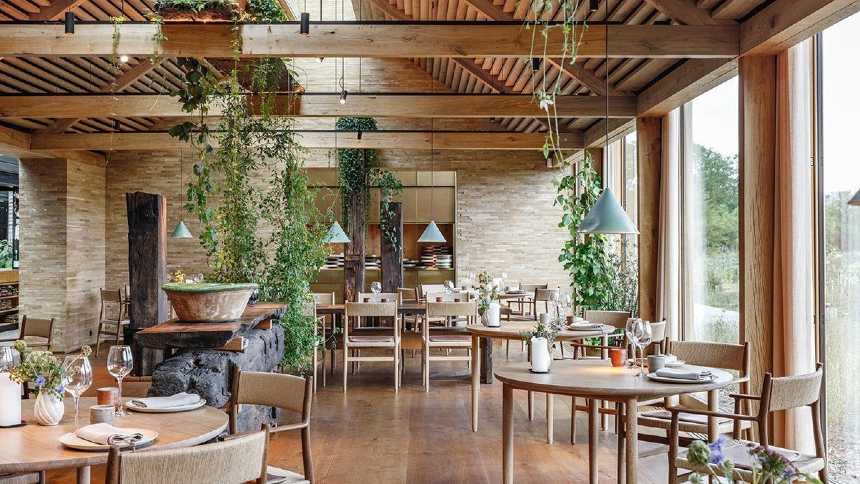
On Monday, March 9th, journalist Julia Moskin of The New York Times exposed this reality by recounting the physical and psychological abuse suffered by dozens of cooks over more than a decade at the Noma restaurant, which operated in Copenhagen between 2003 and 2023. Today, the brand encompasses several initiatives, including a traveling restaurant that has already been to Kyoto, Sydney, and Tulum, and is now in Los Angeles.
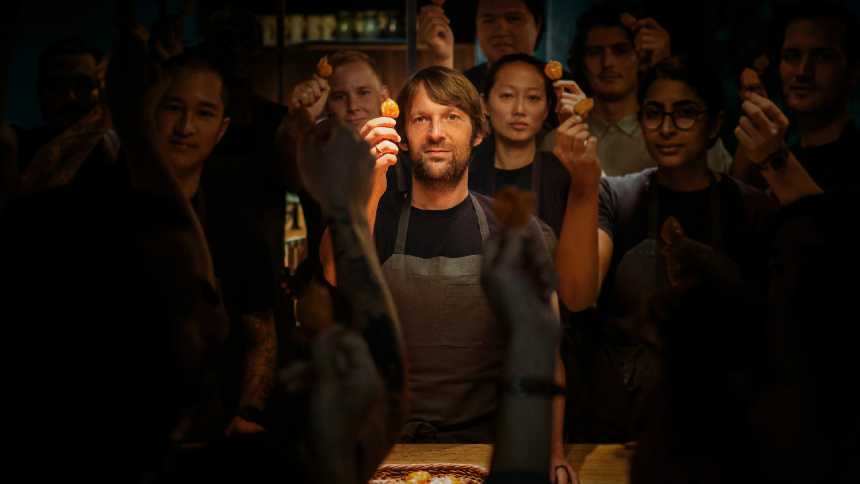
At the center of the scandal is the co-founder and Danish chef René Redzepi, now 48, who led Noma to receive three stars (the highest rating) in the Michelin Guide and to be elected the best restaurant in the world five times.
The episode serves as a provocation to the industry's award criteria, including the Michelin Guide . In it, establishments are evaluated based on ingredients, techniques, harmony of flavors, consistency, and the chef's identity, ignoring leadership style. The subject is gaining traction in Brazil, given that on April 13th, the company will launch the guides for Rio de Janeiro and São Paulo, in a ceremony at the Copacabana Palace.
The timing of the report was surgical: on Wednesday, March 11th, Noma opened its traveling restaurant in a mansion in Los Angeles, where, for 4 months, it will delight customers at US$1,500 per person.
The menu features dishes made with fermentation techniques, wild foods, and local ingredients—in some cases, flowers and ants. Reservations, which opened in January, sold out in less than a minute.
American Express and loyalty startup Blackbird purchased tables as gifts for customers, but both canceled. Nevertheless, the restaurant remains open (and packed) until June 26th.
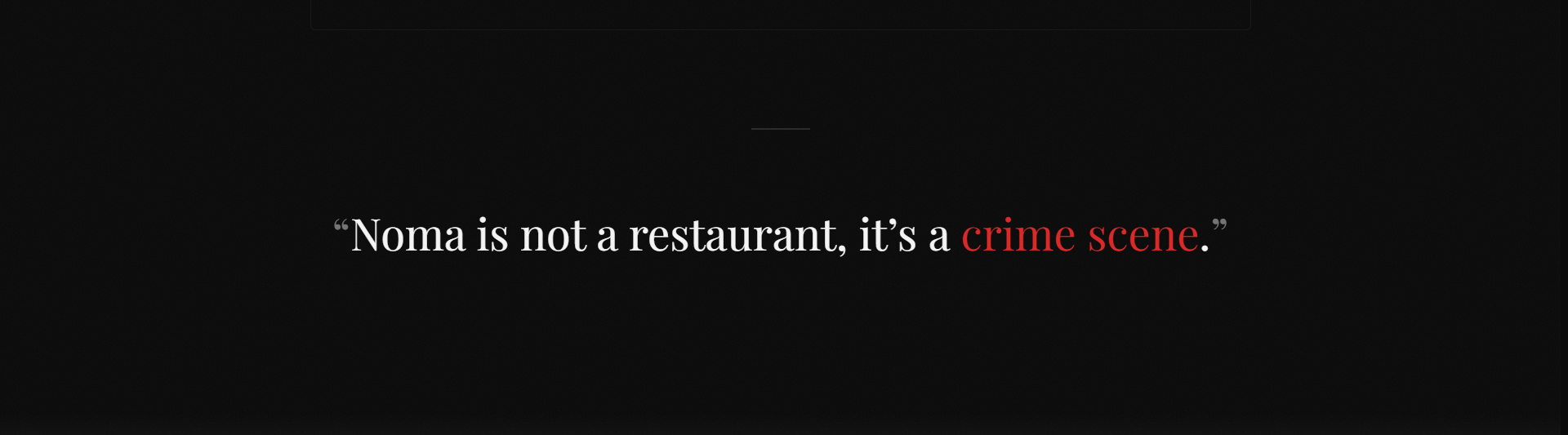
In addition to the 35 former cooks interviewed by the New York Times , a former fermentation chef at Noma created the website noma-abuse.com , gathering anonymous accounts from 56 former employees over 20 years. “Noma isn’t a restaurant, it’s a crime scene,” one of them wrote.
In the name of perfection, Redzepin resorted to stabbing, stabbing with a barbecue fork, punching in the stomach and face. He caused broken ribs, a cut mouth from being pushed against the table, and verbal humiliations, including a deliberate outburst in the freezing Danish winter.
There are cases of sexual harassment from leadership, threats of deportation and defamation, hands bleeding from scrubbing shells for more than ten hours, cooks who did not menstruate due to stress and disdain from human resources professionals.
Reports also mention abuses by a chef who hit one cook and locked another in the freezer. Today, she runs Core by Clare Smyth (her name), in London, which has been awarded three Michelin stars.
The pressure from the news report, the website, and the protests outside the Los Angeles restaurant led Redzepi to step down from all positions related to the company, including MAD, an NGO he created in 2011. On Wednesday, March 11th, he released a video announcing his departure to employees, accompanied by a post on Instagram.

In addition to the resignation notice, Redzepi published a post on Instagram shortly before the New York Times article was published. He stated that the pressure at Noma did not justify his aggression, apologized, and said that in recent years he had dedicated himself to change and professionalized the company's human resources department.
The nearly 5,000 comments on the post were of outrage. São Paulo-based chef Bel Coelho, founder of the restaurants Cuia and Clandestina, said that "there is no purpose in an apology without actions to correct the damage caused to the victims and regenerate the culture of violence."
Chef Alberto Landgraf, head chef of the award-winning Oteque, applauded Redzepi: “Many of us identify [with this attitude] . Congratulations on your courage to change, something that requires a lot of audacity,” wrote the Brazilian, in English.
All the responses to his comment were discordant. “ [Landgraf] identifies himself because he’s famous for doing the same thing,” retorted a cook from Rio de Janeiro. Contacted by NeoFeed via email, Landgraf did not respond.
“The combination of the French school, which preaches intimidation, added to 12 or 15 hours a day on your feet, and in constant alert in an environment of stainless steel, cold light, knives and fire, generates an extraordinary physical and mental strain. In addition, there is a lot of drug and alcohol use, which makes everything more unstable,” a chef also from Rio de Janeiro tells NeoFeed .
Redzepi learned gastronomy at the Spanish restaurant El Bulli, as well as in French cuisine. In August 2015, he published a text admitting to having been an abuser for much of his career and emphasizing that this was how he learned to cook and convey a message. But it was undeniable that the method had worked; after all, Noma was a success.
However, he emphasizes that today "the profession of cook has been elevated from a blue-collar job to something extraordinary," questioning whether there is still room for people like him or for the attitudes of a French army – and he asks how to rid the professional kitchen of its toxic culture.
At Gustu, a restaurant created by Noma co-founder Claus Meyer in La Paz, Bolivia, similar episodes were secretly shared with a customer by a trainee receptionist. NeoFeed 's report gained access to a 2013 email sent by the customer to Claus, questioning the trainee's account: abusive hours and attitudes that led 15 of the 21 trainees to quit. A Danish professional responded briefly, indicating only the total number of trainees, without mentioning turnover or company culture.
These attitudes go against the philosophy of restaurateur Danny Meyer, founder of the Union Square Hospitality Group in New York. In his book Hospitality and Business , published in 2006, he explains that, in his establishments, “the customer comes second. First comes your team. If the team isn't happy, they won't make the customer happy.”
Meyer manages approximately 20 restaurants, five of which have Michelin stars, including Gramercy Tavern. There, chef Michael Anthony, winner of the James Beard Award (the Oscars of gastronomy), is celebrated for his respect within the kitchen. Also working for the company was manager Will Guidara, who was in charge of Eleven Madison Park, a restaurant that once belonged to Danny Meyer's group and is the author of the bestseller Irrational Hospitality .
The movement of former Noma cooks intends to continue. Meanwhile, social media is full of jokes made by cooks. The best comment, however, came in Spanish, splitting the restaurant's name into two syllables: “ No Más ”.