


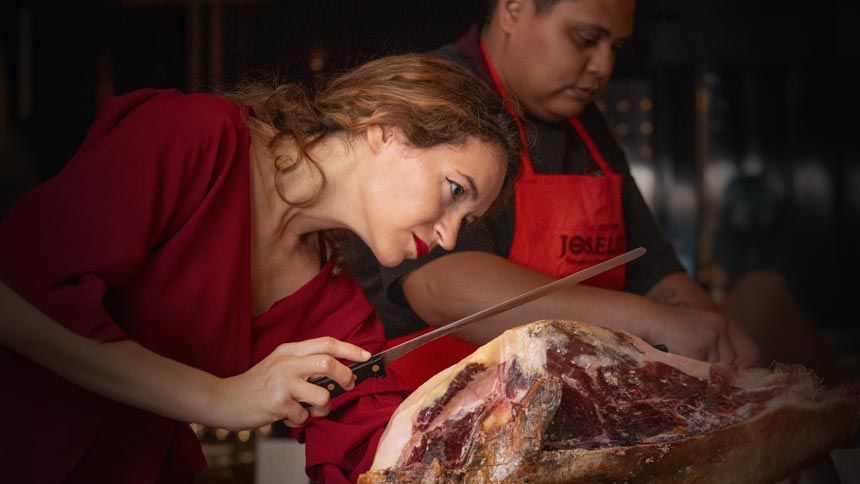
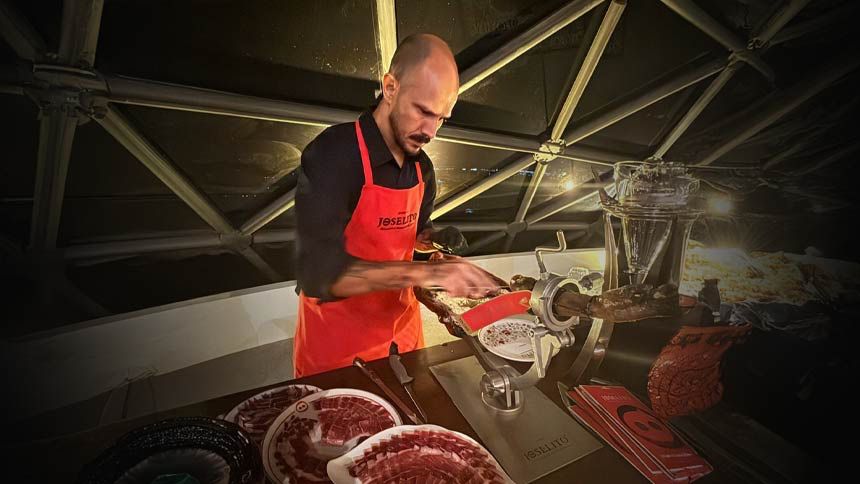
Anyone who has recently attended a large wedding, a quinceañera celebration, or one of those corporate events that bring together the cream of the crop has probably come across an attraction that has become fashionable in the luxury market: a whole raw ham, being sliced live by a specialized cutter.
We're not talking about just any ham, but imported cuts from Italy or Spain, cured over many years, with prices ranging from four to five figures. The sky's the limit.
Vintage jamón from the Spanish brand Joselito, one of the most coveted by experts, can take eight to ten years to be ready — the pieces are numbered, vintage-specific, and arrive in Brazil for R$ 15,000.
Alessandro Marques, importer of the Spanish brand, tells NeoFeed that there has been no shortage of market for ultra-premium hams. In 2025 alone, his company, Haciendas Alimentos, brought in ten vintage pieces.
One of them whetted the appetite of guests at a dinner featuring a vertical tasting of 12 vintages of Romanée-Conti , held in November by Wine's Life, a Brasília store specializing in high-end labels. The amount spent by each of the 12 guests became a state secret in the federal capital.
Another vintage piece was cut in October, at the dinner that inaugurated the new unit of the Pobre Juan restaurant, in Shops Jardins, in São Paulo — each guest paid R$ 1,250 for the cocktail, followed by a four-course menu.
The ham was prepared by Raquel Acosta from Spain, considered one of the best ham carvers in the world, who was in Brazil for a series of events.
Elianda Azevedo, a partner at Empório Pata Negra, which maintains its own e-commerce site and a physical store in the Ipiranga neighborhood of São Paulo, has been selling around 120 whole hams per month, 90% of which are imported from Spain.
The best-seller , she tells NeoFeed , is the Jamón Serrano Segovia, for its value for money: cured for 15 months, it sells for R$ 1,490. It's a bargain compared to the Joselito Gran Reserva, the most expensive in her portfolio — matured for 3 years, it costs R$ 12,750.
Several factors explain such high prices, starting with the origin of the raw material. Premium hams are produced from the hams of animals treated like royalty. They are purebred pigs, raised free-range in forests, fed on grass and acorns, the fruits of oak and holm oak trees, which guarantee the nutty flavor of the meat.
They live up to 24 months, a much longer period compared to the life cycle of pigs destined for slaughter, and they have plenty of space — each one has three hectares available to graze.
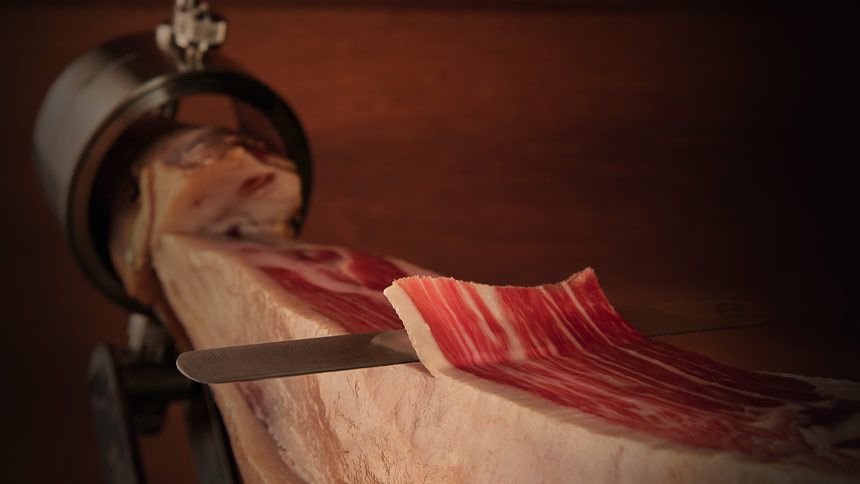
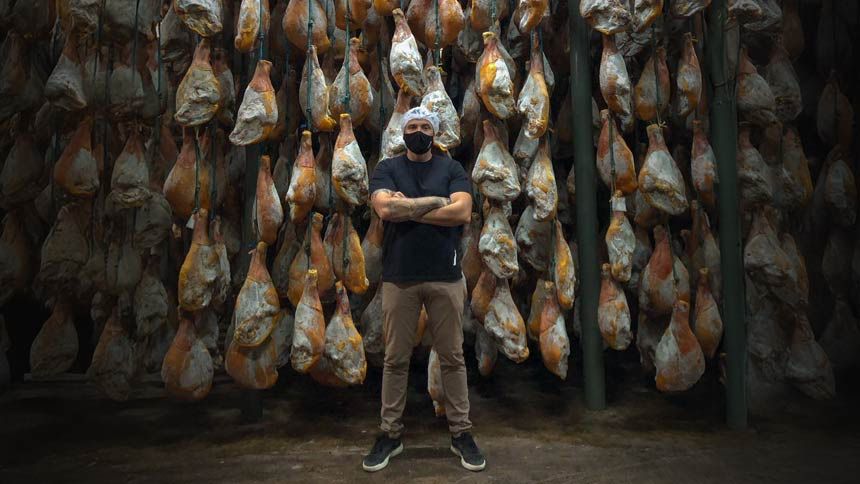
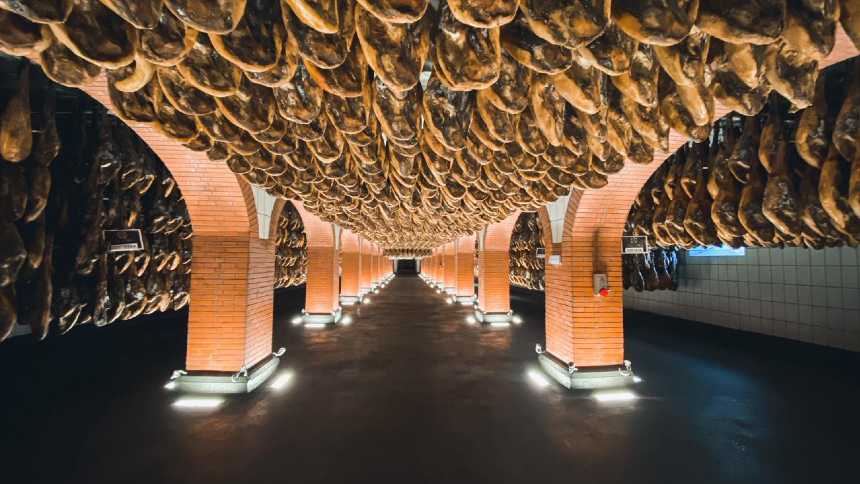
The production process is also long and meticulous, made only with salt, without any trace of chemical additives or any other seasoning. After being salted, the hams are hung in chambers with controlled humidity and temperature, where they gradually lose water and enhance the flavor. The result is a tender, unctuous ham, without excess salt, which is even slightly sweet.
According to Diego Carrilho, a gastronomy graduate specializing in jamón cutting in Spain, Spanish products tend to be more intense in flavor than Italian Prosciutto di Parma. The difference, as he explains to NeoFeed , lies in the production method, but also involves the pigs' diet.
“The skin of Spanish hams is removed during production, resulting in a more dehydrated product with a firm texture and concentrated flavor. Italian hams retain the skin of the leg, which makes it more difficult to extract moisture and produces a softer, juicier ham with pronounced milky notes due to the whey from the Parmigiano Reggiano cheese given to the pigs.”
Each part of the same piece of meat has a specific texture and flavor. While the sides offer a subtle and delicate aroma, the tip is characterized by its intense flavor. The animal's shank, on the other hand, has a more fibrous texture and is quite aromatic.
That's where the cutter's expertise lies; it's not enough for them to know how to handle a knife. It's a profession recently discovered by Brazilians, with a growing market. Carrilho opened a course in São Paulo in 2024 and has had around 200 students since then.
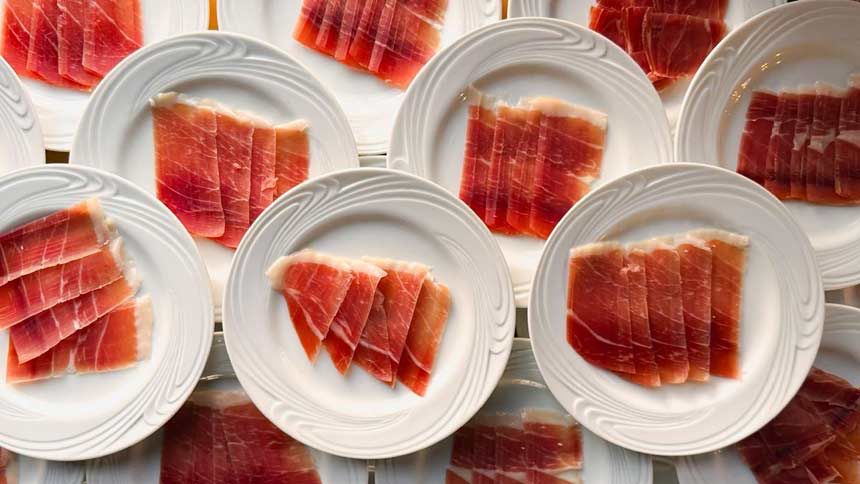
They pay R$ 3,500 to learn, over two days, about the culture of the product, the map of each cut, and the correct way to serve the slices, which should not mix on the plate, so that it is possible to compare the different flavors. At the end of the class, they can take the piece home.
“I always dreamed of seeing hand-cut jamón in São Paulo, with skilled professionals who are aware of the technique, the history, and the responsibility that this craft carries. The job market is expanding. My two brothers, for example, live exclusively from cutting jamón at events,” says Carrilho.
The fee, which is around R$ 900 per event, has encouraged many people to change careers.
With a degree in marketing, Pedro Nunes, from Brasília, worked for 11 years at Ceratti, during which time he deepened his knowledge of charcuterie in Spain and learned the craft of cutting. Today, he is 100% dedicated to his new profession, which includes consulting for industries.
Retired engineer Antônio Burti also turned ham cutting into a new career. He took a course at the Escuela Internacional de Cortadores de Jamón (EICJ) in Jaén, Andalusia, and began performing at weddings, restaurants, bars, and private dinners.
According to Pedro Nunes, verifying a professional's qualifications is the first step before hiring them.
“Master ham cutters dictate the presentation, rhythm, and cadence of the cut. It is extremely difficult, requiring training and technique. Anyone who cuts the ham haphazardly throws away all the effort of the producer, who invested time, money, dreams, and dedication,” says Nunes.
"The most elaborate products take years to reach the table. Only a fool would put a product like that in the hands of just anyone," he adds.