


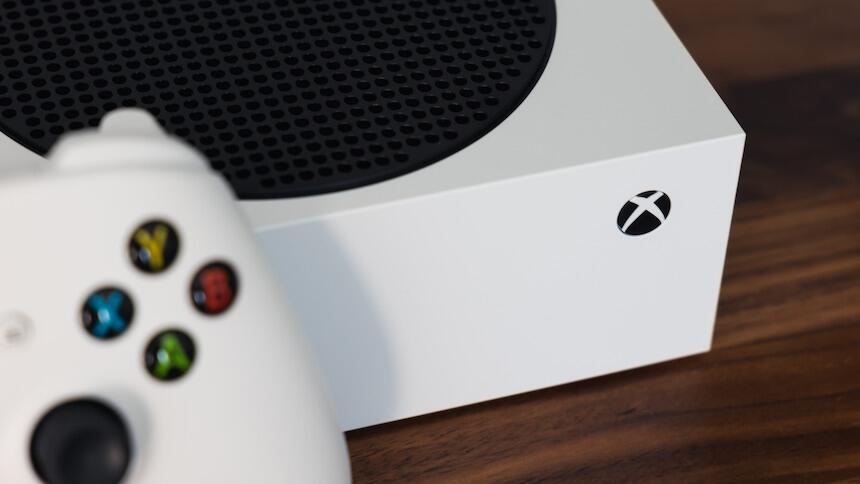

Microsoft understands that every game has an exit before game over . That's how the company announced the biggest restructuring in Xbox history, a division that concentrates $80 billion in investments but fails to surpass its main competitors.
In this restart move, Microsoft announced the cutting of approximately 20% of the Xbox workforce (3,200 people), in addition to the sale or separation of four development studios and the opening of a consultation process regarding a fifth, Arkane Lyon, which could result in its closure.
The Xbox layoffs are part of a larger round of 4,800 job cuts at Microsoft, representing about 2% of the company's global workforce. This cut adds to a wave of layoffs that has already affected approximately 154,000 technology professionals in the first half of 2026 alone, with companies like Meta, Oracle, Amazon, and Cognizant reducing their teams.
The reorganization in Microsoft's gaming division reflects profit margins up to ten times lower than those of comparable companies in the sector, according to Xbox CEO Asha Sharma, who took over the position in February 2026, replacing Phil Spencer.
"Our business is not healthy today," Sharma wrote in an internal letter to employees, in which he defined the change as the "most significant restructuring" in the division's history.
Among the factors that motivated the decision is also the stagnation of Xbox Game Pass, a game subscription service that has not grown at the expected rate.
Microsoft's goal is to simplify operations and reposition the division, but the contrast with its rivals highlights the fragility of the company's strategy.
And the timing couldn't be worse: Microsoft's stock is projected to fall by just over 19% by 2026, the worst performance among tech giants during that period.
While Xbox attempts to restructure, Nintendo is experiencing the best cycle in its history. The Switch 2, launched in June 2025, sold 19.86 million units in less than a year (until March 31), boosting the company's revenue to approximately US$14.5 billion, a growth of 98.6% compared to the previous year.
Games like Mario Kart World sold 14.7 million copies in the same period and helped to nearly double Nintendo's revenue, solidifying the company as an exception in the console market.
Sony is also moving forward, and the PS5 continues to expand, supported by exclusives from studios like Naughty Dog and Insomniac, while the company strengthens partnerships with independent developers and expands its presence in emerging markets such as China and India.
PlayStation Plus is already reinforcing its hybrid hardware and services strategy: 40% of the service's total subscriber base is already concentrated in the higher-tier plans (extra, deluxe, and premium), a migration that Sony attributes to its record profitability in the last year and the expansion of its recurring revenue base.
Pressure from all sides
In the streaming market, the pressure is even greater. According to estimates from the consulting firm Mordor Intelligence, the cloud gaming sector should reach approximately US$6.23 billion in 2026, with roughly 482 million global users (numbers vary depending on the institute, but point to a consistent trend of accelerated growth).
Xbox Game Pass, with around 40 million subscribers, faces increasing competition from GeForce Now and PlayStation Plus itself, which are advancing at a faster pace.
The reorganization of Xbox is, therefore, an attempt to preserve the billion-dollar investment and seek efficiency in a rapidly transforming market.
But the timing exposes vulnerabilities: while Microsoft cuts costs and revises its governance, Nintendo and Sony are expanding their revenues and user base. Now, Microsoft needs to prove that its $80 billion bet can be sustained in the face of rivals thriving amidst the industry's changes.