

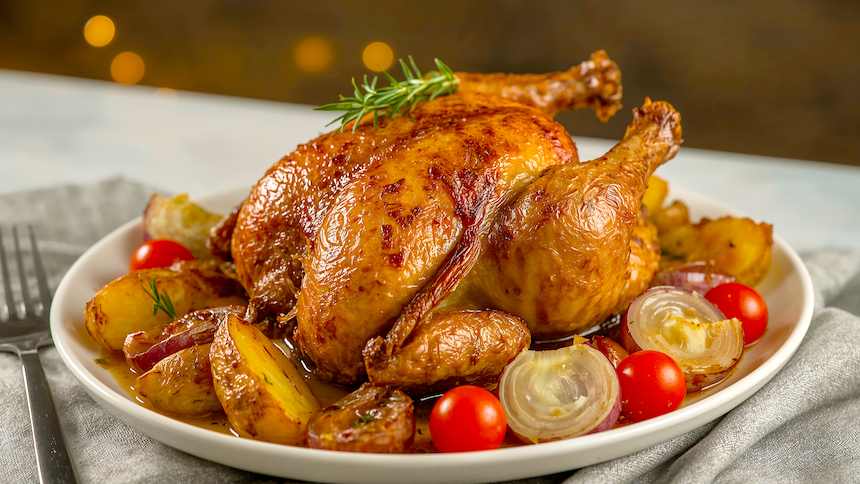
In the menu that Santander is preparing for 2026, the preference is for chicken protein from JBS and MBRF , to the detriment of beef from Minerva .
Analysts Ulises Argote, Guilherme Palhares, and Laura Hirata upgraded their recommendations for JBS and MBRF from neutral to buy. The target price for the Batista family's company's shares was maintained at US$17, while the price of the shares of the company controlled by Marcos Molina rose from R$20 to R$26.
Minerva's recommendation has been reduced from buy to neutral, with the target price cut from R$ 7.50 to R$ 6.80.
The preference for chicken stems from the sector's resilience and the expectation of low grain prices, while beef is expected to face supply restrictions in Brazil.
According to analysts, although cattle slaughtering remains at normal levels, the ratio between calf and cattle prices has started to rise, reflecting the increase in calf prices. This should encourage ranchers to retain animals.
"We see potential for higher cattle prices once this process begins, which means higher costs and tighter margins for meatpackers like Minerva, MBRF, and JBS," the report says.
In the United States , the cycle of low cattle availability is expected to continue putting pressure on meatpacking plant margins for longer than anticipated.
This scenario is particularly unfavorable for Minerva, which has 56% of its slaughtering capacity in Brazil. Furthermore, the appreciation of theReal is expected to negatively impact exports, which accounted for 61.3% of gross revenue in the third quarter.
"Although we maintain a constructive view of global beef demand, these pressures should affect Minerva's margins, leading to a 1 percentage point compression in the EBITDA margin in 2026," the report states.
JBS and MBRF are able to circumvent this scenario due to their exposure to chicken. In Brazil, even with increased supply, there is local demand for the protein, especially given the high price of beef.
"Chicken is capturing an increasing share of Brazil's protein matrix, according to IBGE data, with consumption far ahead of beef and pork," says the report. "Being the most accessible protein, alongside eggs , chicken stands out as the only meat whose price has not exceeded the average family income in the last decade."
The American market has seen a price adjustment following an oversupply of animals for slaughter, according to the report. But, unlike in Brazil, Americans are not switching from beef to chicken.
As for grains, prices should remain low, since China has started buying more from the United States, keeping costs under control for poultry farming.
With a diversified portfolio following the merger of Marfrig and BRF, MBRF should reap the rewards of growth in frozen and processed foods, which have higher added value.
Analysts also highlight JBS's progress in higher value-added products as a differentiating factor. "Furthermore, a possible inclusion in the Russell index at the beginning of the second quarter could provide a short-term catalyst for the shares," the report says.
Around 12:01 PM, JBS shares were up 1.46% on the New York Stock Exchange (NYSE), at US$14.23. MBRF shares advanced 0.20% on the B3, to R$19.66. Minerva shares fell 1.14%, to R$6.05.