


















The rise of slimming pens could create a positive side effect for Espaçolaser. According to Magali Leite, CEO of the company, the popularization of GLP-1 class medications should expand the universe of consumers concerned with aesthetics, well-being, and self-esteem, and consequently increase the demand for laser hair removal.
With the largest share of customers in social classes C and D, Magali stated, in an interview with Call de Negócios, a NeoFeed program shown on CNN Money , that expectations are gaining strength mainly with the arrival of national and cheaper versions of these medications, capable of expanding access to treatment.
"We are certainly expecting an increase in the number of people who didn't get laser hair removal. With the democratization of GLP-1, our customer base should also be affected," he said.
The company's analysis reinforces a trend that has already been discussed in the market. Analysts have been closely monitoring the effects of medications on various sectors, from supermarkets to gyms.
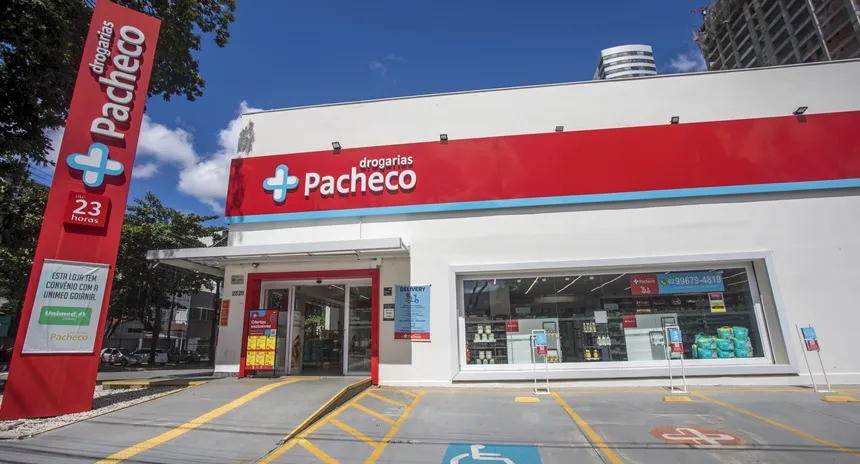
Recently, for example, Itaú BBA reduced the target price for RD Saúde 's stock, assessing that the popularization of pens could, in the long term, decrease the demand for medications associated with obesity. At the same time, companies linked to wellness and physical activity have begun to see growth opportunities with consumers more engaged in transforming their lifestyles.
Therefore, the executive believes that the pens can help rewrite the company's history with investors. Since its IPO in 2021, the company's stock has plummeted by about 60%. Magali says the pricing "is not fair," since the company has been reducing its leverage for 18 consecutive quarters and its net debt for nine months.
In the first quarter of 2026, Espaçolaser's revenue was R$ 290.2 million, a result that remained virtually unchanged compared to the same period of the previous year. The company ended March with net debt of R$ 521.9 million, reducing its leverage to 1.77 times EBITDA, the lowest level in four and a half years.
For Sidney Lima, from Ouro Preto Investimentos, however, what weighs most heavily on the company is the macroeconomic scenario, with interest rates still at a high level. “There is a difference between reducing business risk and optimizing revenue results and business growth. These are distinct things that end up affecting the share price,” he assessed.
Magali's growth strategy, however, goes beyond financial discipline. The company, which has around 5 million customers and more than 800 units including company-owned stores and franchises, intends to expand its reach to audiences where it still sees low penetration, such as men, black people, and menopausal women.
At the same time, the company has been investing in commercial partnerships with companies such as Nubank , Itaú, Cruzeiro do Sul, and Smart Fit , betting on the exchange of visibility and the sharing of customer bases to accelerate customer acquisition.
Espaçolaser's current market value is approximately R$ 260 million.
The bottleneck of female leadership
In addition to operational challenges, Magali also spoke about the experience of leading a publicly traded company in a still predominantly male environment. According to her, although women are already a majority in universities, this presence is not reflected in the same proportion in CEO positions or at the C-level of companies. "We are still not at a fair level of recognition," she stated.
The CEO argues that increasing female participation in leadership requires a combination of affirmative action policies, support from male leaders, and a change in attitude among the professionals themselves. According to Magali, many women believe they need to meet 100% of the requirements before competing for a promotion, while men tend to take more risks.
She also states that, throughout her career, she has had to learn to be more assertive in meetings and to defend her points of view in environments where, often, women's contributions receive less attention than those of their male colleagues.


