


Inflation and economic activity remain resilient, drawing attention and prompting action from the Central Bank, and are highlights on the economic indicators agenda for the first half of May, which will be largely dedicated to encouraging investment in the country , despite the upcoming elections.
Opinion polls are proliferating, but for now they inhibit predictions of a winner in the presidential election and, for that very reason, sow speculation and expectations that compete with the geopolitical tension over the uncertain outcome of the war in the Middle East. None of this, however, takes Brazil out of the spotlight – in New York.
A trigger for proposals for ventures specifically focused on energy transition, infrastructure , and technology, Brazil Week, held between May 11 and 14, is an annual series of events that brings together international and national banks, investment fund managers (including sovereign wealth funds), businesspeople, politicians, and government officials from both federal and state levels in the world's main financial business hub.
Experts point out that the weight of the energy transition is significant and tends to push the US and other nations into a dispute over Brazil, which could become a valuable asset in an "auction" for future investments that the Lula 3.0 government, eyeing Lula 4.0, would like to take advantage of, and state managers at the end of their terms should not waste. This is also an attempt to trigger negotiations as a legacy for successors who take the helm in 2027.
This year, "Brazil Week" in New York, filled with dinners, conferences, seminars, and secretive business meetings, takes place amidst a worrying outlook regarding the impact of rising oil prices on the international and domestic economies.
The persistence of the commodity price hovering around US$100 per barrel of Brent crude, despite the recent decline in light of the fact that the ceasefire in the Middle East is prolonging, maintains the risk of a fall in activity and a rise in global and local inflation – an issue raised by the Central Bank in the minutes of the Copom meeting published on Tuesday, May 5th.
At a time of intense exposure and in the wake of the meeting between Presidents Lula and Donald Trump in Washington on Thursday, May 7, Brazil is favored by the fact that it is a net exporter of oil, benefiting from the commodity's historically high prices; and this works against the pressure of fuel prices on inflation, which stubbornly refuses to exceed the 3% target.
The target is considered dissonant with the conditions of the Brazilian economy by academics and government officials, but it guides the restrictive monetary policy of the Central Bank, which is expected to continue. The decline in the rate by 0.50 percentage points this year, to 14.5%, does little to alleviate fiscal concerns or promote a substantial reduction in public debt interest expenses, which reached R$ 1.08 trillion in the 12 months to March, 8.35% of GDP. This figure represents an Olympic leap when compared to the 2022 bill, the prelude to Lula 3.0, of R$ 586.4 billion, 5.96% of GDP.
A sign that inflation is slowing down at a snail's pace, in the year ending in March, the official 12-month indicator fell from 5.53% to 4.14%. Since last November, on this calculation basis, the IPCA (Brazilian consumer price index) has remained below the target ceiling of 4.50%, but without any relief, partly because expectations are already deteriorating until 2028, as noted and warned by the Copom (Monetary Policy Committee).
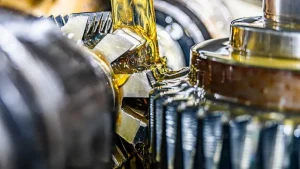
Oil prices fall, but not by much.
In the coming days, IBGE will release results for retail sales and services in March. The IPCA for April will be released on Tuesday, May 12th. In March, the indicator advanced 0.88% and, over 12 months, 4.14%. The preliminary figure for April, represented by the IPCA-15, rose 0.89% and 4.37%, respectively. A hefty figure, but slightly below expectations.
“The pressure observed in the April IPCA-15, especially due to fuel prices, should reverberate in the IPCA to be announced,” assesses Bruno Cordeiro, market intelligence specialist at StoneX. StoneX is the Brazilian subsidiary of the North American financial services company StoneX – present in 80 countries with a strong presence in the currency and commodities markets – which does not make projections for the IPCA.
Cordeiro observes that "the measures taken by the government to alleviate the pressure of the fuel price war resulted in a drop in diesel and gasoline prices in the last week of April, but the decline was very small and we are already noticing upward pressures coming mainly from the international market due to the drop in US inventories."
In an interview with NeoFeed , the expert notes that expectations for the oil market are still uncertain, but StoneX has revised its estimate for Brent crude. And the expected average price for 2026 has risen from US$77.00 to US$89.00, should the Strait of Hormuz be reopened by the end of May.
“This means that we can expect high prices throughout the year, even with the reopening of Hormuz and the resumption of the flow of oil and its derivatives from the Persian Gulf to the rest of the world,” comments Cordeiro, for whom this is the result of problems that seemed temporary but have become structural as a consequence of the conflict.
He adds that there are logistical difficulties and challenges to a faster resumption of production in the Gulf, which is responsible for 25% of the global oil supply. He also notes that the market will emerge from this conflict, which began on February 28th, with much lower inventories because countries are using their sovereign and commercial strategic reserves to reduce the impact of rising prices on the market, thus mitigating effects on their economies.
With the reopening of the Strait of Hormuz, the StoneX expert points out, it's natural to expect a decline in prices compared to current levels, since the market is factoring in very high risk premiums. However, he says, even with the drop, oil prices will still be well above the US$60.00 per barrel seen before the war.