


If you've ever opened a bottle of Vinho Verde and expected the contents to actually be green, don't worry—you're not alone. This association actually makes perfect sense, since all other categories of the drink are defined by color, such as red, white, and rosé.
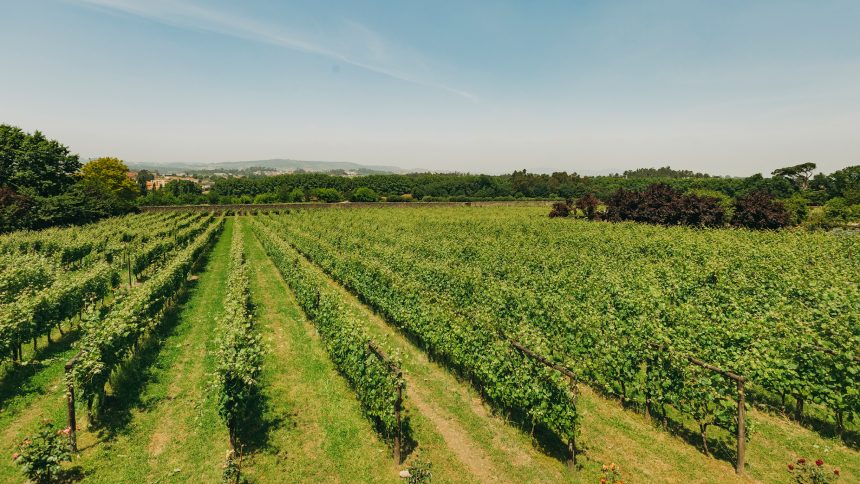
In the case of Vinho Verde, the name refers to the region where the grapes are grown. That is, there are white, red, and rosé Vinho Verde wines, all originating from a territory of approximately 110,000 hectares located in northwestern Portugal , named the Vinho Verde Region in 1908.
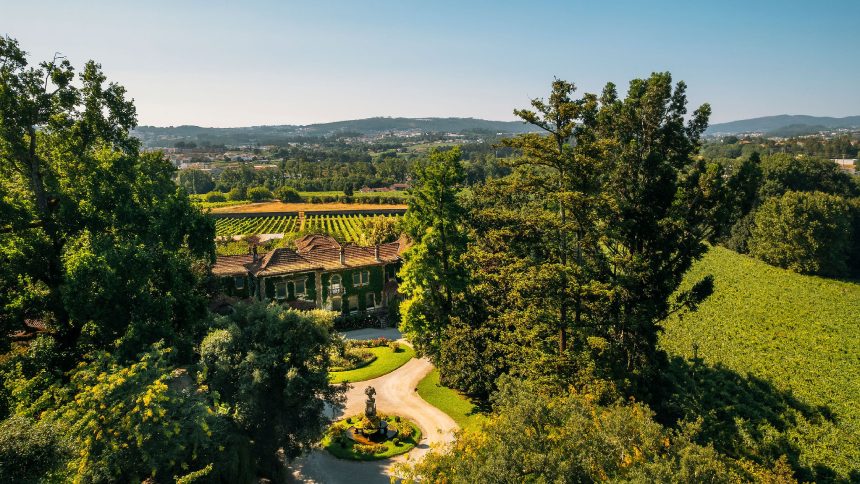
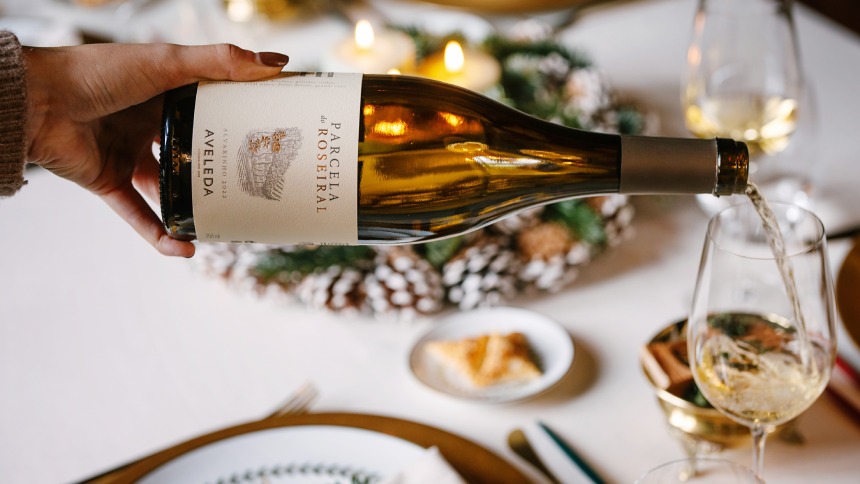
It was there that the Guedes family took their first steps towards becoming one of the largest wineries in the country, owning brands such as Aveleda, Quinta Vale Dona Maria, Adega Velha and Casal Garcia — the best-selling Portuguese wine in Brazil.
Today, Quinta da Aveleda, which boasts 150 years of tradition and is now in its fifth generation of family ownership, faces a major challenge: combining experience with innovation to win over the ever-evolving palates of consumers worldwide.
“Newer generations are disconnecting from wine and alcohol consumption, that’s a fact. Therefore, we need to change the codes of how we communicate about wine, the moments of consumption, and even the type of wine itself,” says Antônio Guedes, co-CEO and director of viticulture and oenology at the winery, in an interview with NeoFeed .
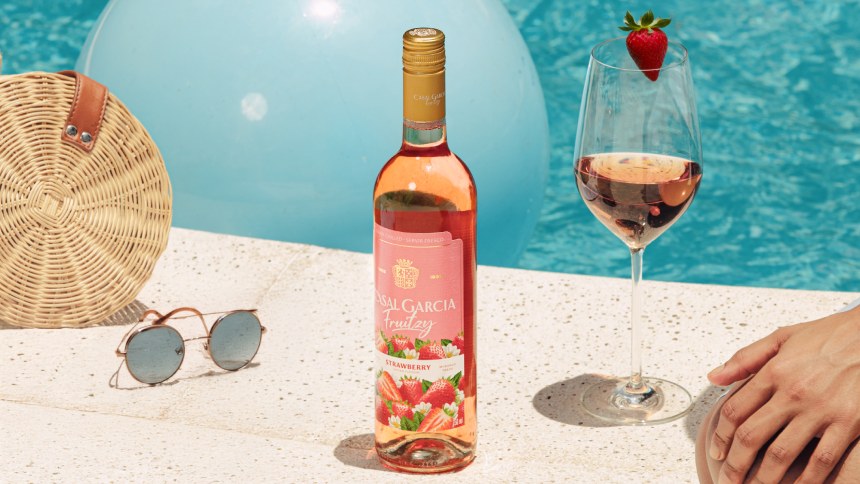
With this in mind, over the past two years, the winery has been investing in alternatives to "regular" wine, such as alcohol-free wine, canned wine, and, more recently, less than a year ago, the Casal Garcia Fruitzy wine beverage.
Made with a blend of Vinho Verde wine and fruits like strawberry and passion fruit, this product has a lower alcohol content and should be served chilled, making it lighter and more casual, ideal for celebratory occasions.
“Globally, this has been the company's growth engine, accounting for 15% of our sales. In Brazil, in just the first two months of 2026, Fruitzy was responsible for 20% of total sales, which is incredible,” says Antônio. “The product is our bet to reach a younger consumer.”
Annually, the winery produces approximately 3.6 million bottles, with 95% of that volume destined for the Casal Garcia brand. In 2025, it exported 350,000 cases of this label to the Brazilian market—a 52% increase compared to 2023.
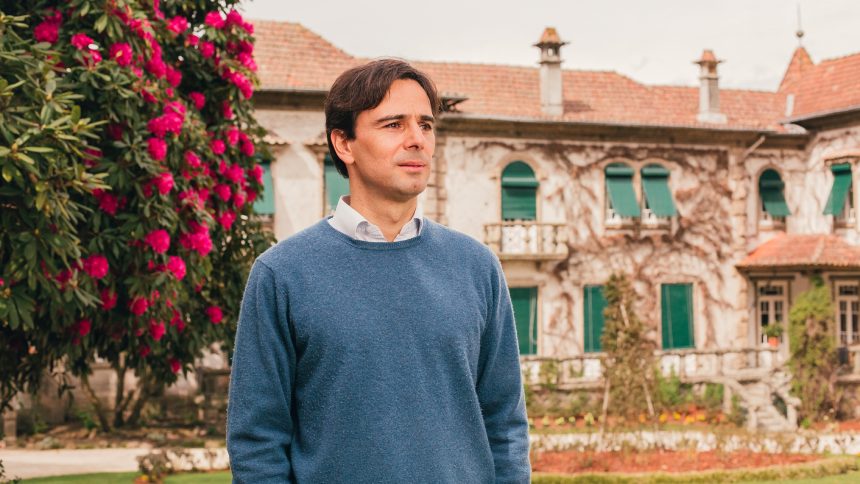
In Antônio's view, who shares leadership of the company with his cousin Martim, this change is part of the winery's modernization, which has been occurring from generation to generation. He believes their management will be remembered in Aveleda's history for its strong digital footprint and modernization.
“We used to be a company whose core business was Vinho Verde, but today we have wines from the Algarve, Bairrada, and Douro regions, in addition to other wine beverages,” he says. “Our innovation process is very open, and we are willing to try anything that might make sense for the business. I like to say that we are a very market-oriented winery.”
Currently, Brazil is the largest consumer market for Aveleda wines outside of Portugal, accounting for 15% of the volume and an annual growth of around 10%. The United States comes in second, with a 10% share of the company's international sales.
The mutation of the 17th century
The Portuguese region received this designation in 1908 due to the distinct quality of its wines, which were less alcoholic, lighter and more palatable, sometimes even slightly sparkling.
This product was only found in that part of the country due to a combination of factors, such as the granitic soil, Atlantic climate, and the mix of crops, which brought different notes to the grape's flavor.
This "mutation" was discovered in the 17th century, when there was a great English demand for wines produced in the region that would become the Vinho Verde region. At the time, the grapes were planted in isolation, on slopes and drier terrain, resulting in a "common" wine, more mature and with a higher alcohol content.
However, at the same time, the caretakers of these properties, who lived off subsistence farming, also began to cultivate grapes on their small plots of land as a way to earn extra income.
Thus, the vines were planted amidst the potato, bean, and corn crops, in a vertical arrangement. With the shade of the trees, these grapes developed less alcohol and more acidity.
Furthermore, with late harvests, made around November, bottling occurred quickly and, in the spring, that liquid would ferment again inside the bottles themselves, creating bubbles similar to those seen in champagnes.
Gradually, with changes in Portuguese trade and a focus on the Douro region, this planting method became a priority in the region, attracting the attention of French merchants, who saw the beverage as a business opportunity.
“When the region was created, production was almost entirely of wines with low alcohol content. Later, with its entry into the European Union, the increase in subsidies brought more mature wines back into the market, and today we have both types of wine in the region, reaching all audiences,” says Antônio.