


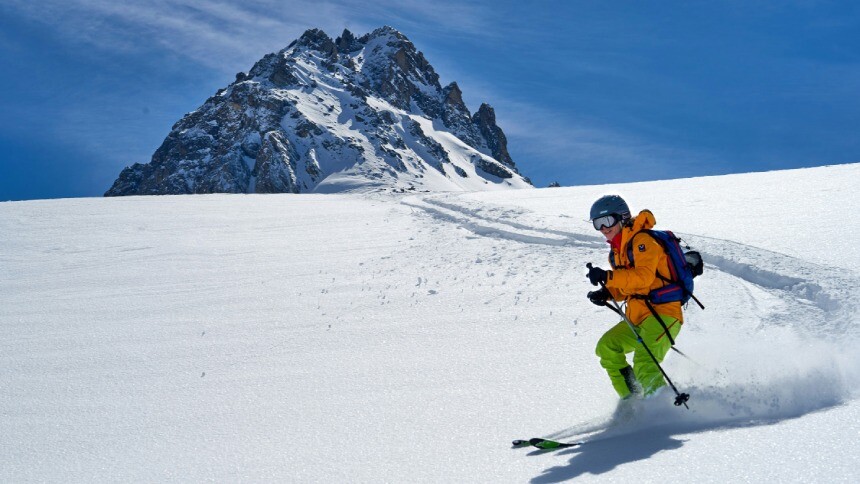
Living in a tropical country has always meant keeping snow as something exceptional. But that has changed. The number of Brazilians seeking icy destinations is growing. Today, it is estimated that around 150,000 people in the country practice winter sportssuch as skiing and snowboarding.
The "popularization" ended up creating a veritable snow market in Brazil, which boosts tourism, but also retail and even the service sector. The change is evident: fashion store windows that, at this time of year, displayed only bikinis and shorts, are now also decorated with wool coats, thermal jackets, waterproof pants, and lined boots.
Schools for practicing winter sports indoors, using artificial snow and/or simulators, are also beginning to proliferate. In Faria Lima, the financial heart of São Paulo, Born to Ski has opened. For R$ 350 a lesson, students learn or improve their technique so they don't feel so lost in the cold.
The movement within the French group Club Med perfectly illustrates this trend. In 2025, for the first time, Brazil took the lead in the ranking of countries that most visit the company's resorts, surpassing even France. With approximately 25,000 tourists, the company recorded a revenue of R$ 360 million — 55% more than in 2024. For next year, the expectation is for more than 31,000 Brazilians.
"This demand led us to adapt to the Brazilian public," says Janyck Daudet, CEO of Club Med in Latin America, in an interview with NeoFeed. "Our 22 hotels in the Alps have about ten Brazilian employees." By 2026, this number is expected to increase to 75.
Club Med even went so far as to include rice and beans on its menus. And, since it's very frustrating to go to a snow destination and not have any problems with the low temperatures, the group offers free ski lessons.
"Everything is done so that families feel like they belong," says the executive. With these changes, the number of Brazilians is growing at a double-digit annual rate.
Exposki is also part of this expansion. Founded by Adriana Boischio, the first edition of the event was held in 2018 in São Paulo.
At the time, the only Brazilian event dedicated to the snow sector attracted 18 suppliers — ski resorts, travel agencies, equipment and clothing brands, among others. In the 2025 edition, held in September, the number of exhibitors jumped to 60, with almost 700 visitors.
"The progress is evident. Today, Brazil is the main source market for Aspen, in the United States. We are also the largest international consumer of tourists for Courchevel, Val Thorens, and Val d'Isère, in France," she tells NeoFeed . "In the French Alps alone, since 2019, the Brazilian audience has grown by 57%, not counting the number of people traveling with European passports."
SkiBrasil is one of the tour operators responsible for making trips to cold-weather destinations possible, focusing on high-end tourists. Part of the TTW Group, the brand represents approximately 20% of the company's total revenue.
"Skiing is becoming more popular in Brazil as it's demystified. However, in my opinion, the practice will never become mainstream," says Eduardo Gaz, founder of the group, in a conversation with NeoFeed .

A week-long trip costs at least US$5,000 per person. To this amount, the cost of sportswear is usually added. In the biggest brands available on the Brazilian market, such as The North Face, Columbia, and Patagonia, it's practically impossible to find a ski jacket for less than R$2,000. And, despite the high price, these items sell well.
At The North Face, sales increased by 40% in 2024, driven by demand for snow destinations. With this growth, the American company's revenue reached R$30 million.
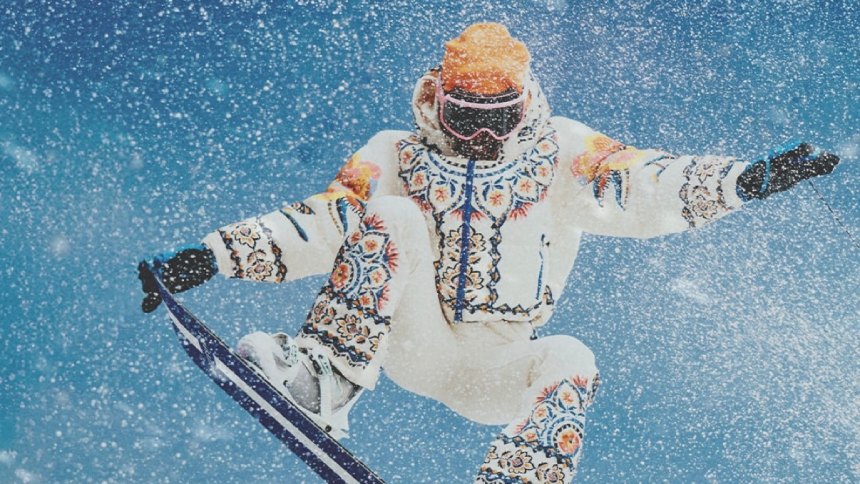
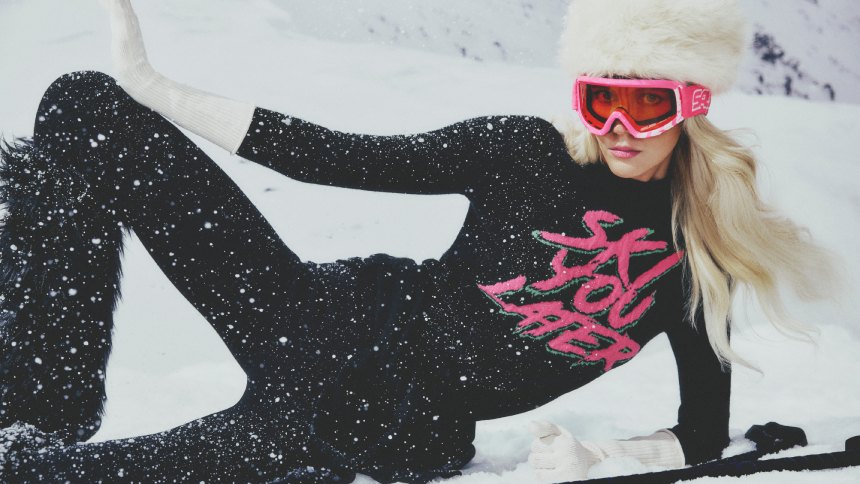
In this mix of already established brands in the sector, other important competitors in clothing are added, such as Farm and NV, both from the Azzas 2154 group. The Rio de Janeiro-based brand, known for its prints, went global a few years ago and bet on ski clothes with a Brazilian touch, colorful and cheerful, at the end of 2022.
NV, owned by businesswoman and influencer Nati Vozza, has just entered this market with its first sports-focused collection, called " Voyage Winter Escape ." Developing these pieces was a lengthy process.
"We started with in-depth market research and international benchmarks, observing how winter sportswear is presented today in major capitals and snow destinations, and how these pieces are used both in the mountains and off them," says Vozza, in an interview with NeoFeed . "The result is technically functional pieces that our customers wear every day, maintaining NV's aesthetic DNA and allowing for this natural transition between sport, travel, and lifestyle."
According to her, the collection is strategic within NV's portfolio and seeks to increase the average purchase value and strengthen the brand's positioning in a new territory, results that have already been observed in the first days of sales. "The Ski collection has the potential to establish itself as a recurring pillar within NV," she adds.
Shop2gether , the luxury fashion e-commerceplatformfrom the Icomm group, which also owns OQVestir, consolidates this entire movement. This year, the platform has increased its selection focused on the European winter by 150%, with clothing ranging from skiwear to après-ski attire.
"The Northern Hemisphere winter has become an increasingly strategic shopping day for Shop2gether, as it is directly linked to the behavior of our customers, who travel frequently, consume global fashion, and seek complete solutions for different occasions," says Rafael Castello, CCO of the Icomm Group, to NeoFeed .
According to Castello, there is significant room to expand this portfolio in the coming years, as more and more Brazilian brands are investing in the category and keeping pace with the consolidation of these destinations on the Brazilian consumer's calendar.
"We identified this potential starting in 2022 and, since then, we have begun to invest in a more structured way, strengthening Shop2gether as a platform that brings together curation, content, and a relevant portfolio of brands in a single environment," he says.