



Rome - It's not difficult to identify an Italian's wardrobe: they always have a piumino, or even several. This padded coat, which conquered the world in low temperatures, goes far beyond protection against the cold. With comfort and practicality, the garment also conveys a sense of belonging to a universe of luxury and exclusivity, linked to the tradition of skiing , a sport of aristocratic origin.
The attire, which crossed the mountains to conquer the streets, is now gaining even more visibility with the start of the Milano Cortina 2026 Winter Olympic Games, which runs until February 22nd - Brazil has sent 15 athletes to the competition in Italy in the skiing, bobsled and skeleton events.
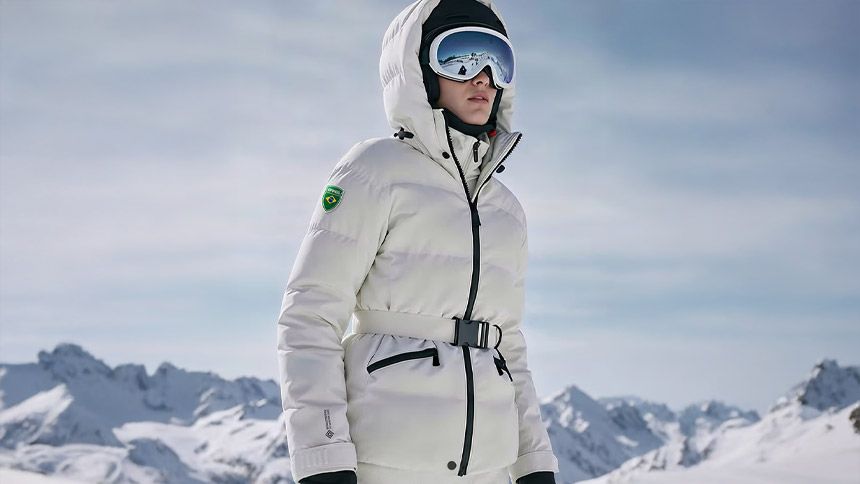
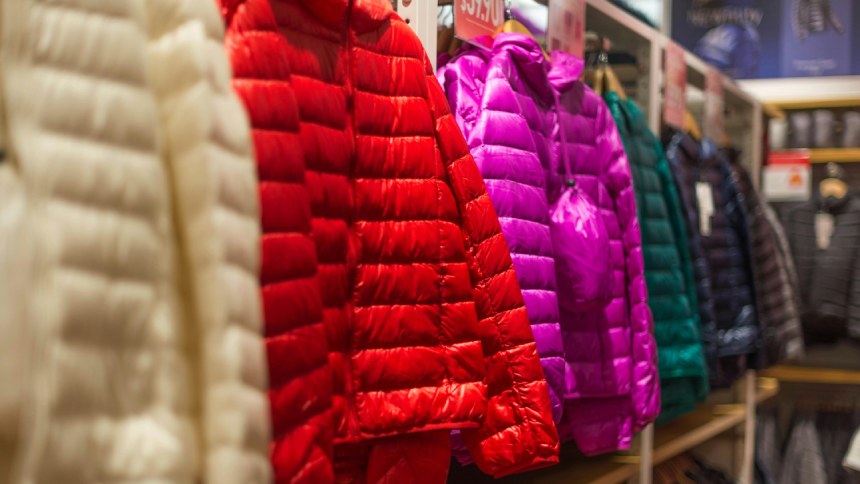
It promises to be a true fashion show in the snow, in colorful versions, with tighter seams, creating smaller "sections," in what became known as the "Michelin Man," or larger squares, which increase the volume of the garment and are known as "puffer."
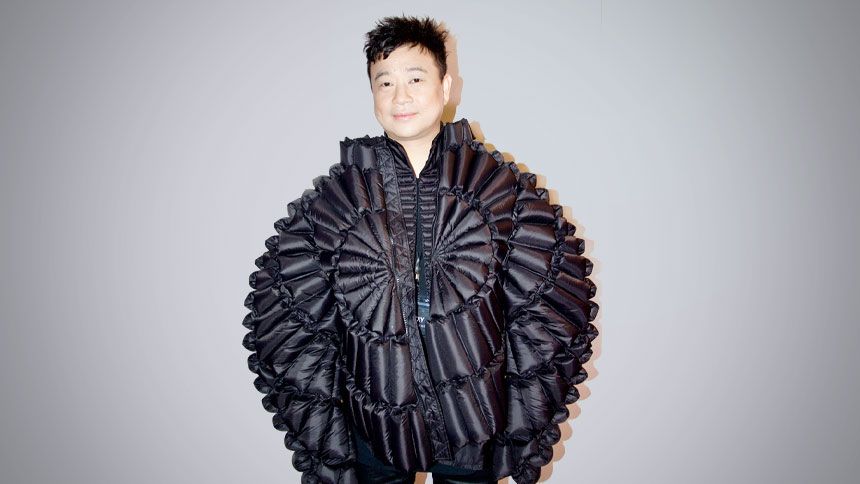
At the forefront of these creations is Chinese designer William Shen, of the Raxxy brand, with futuristic and structured clothing, a favorite among influencers.
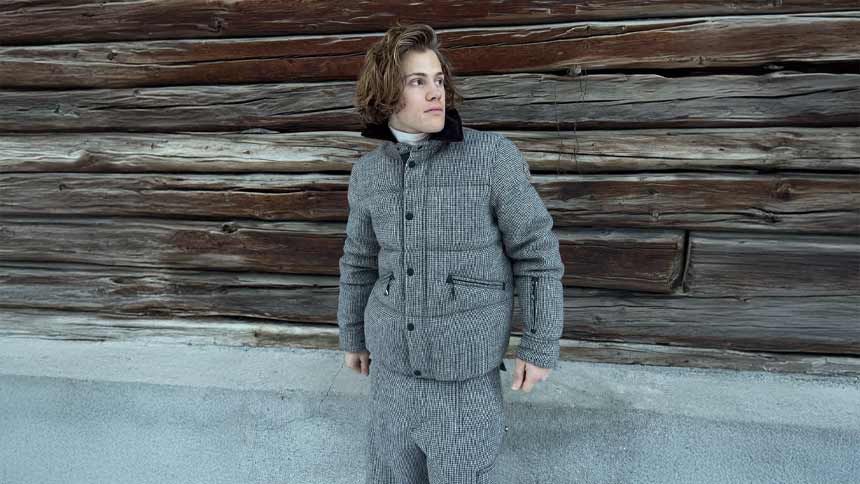
The piumino was created to protect mountaineers and skiers as a functional garment. One of the pioneers of this fashion transformation over the years is Moncler, with extremely desirable pieces.
Founded in 1952 in southeastern France, in Monestier-de-Clermont (the name comes from the initials Mon and Cler), the brand produced clothing and equipment for use in the mountains. In the 1960s, it gained visibility by supplying uniforms for the French ski team to wear at the Winter Olympic Games in Grenoble.
But the real turning point came in 2003, when Italian Remo Ruffini acquired the company and repositioned it as a coveted global brand, maintaining its technical and sporting DNA but incorporating design and innovation.
The Gamme Rouge and Gamme Bleu lines, along with the Genius project, emerged, featuring collaborations with designers such as Giambattista Valli, Thom Browne, Jonathan Anderson, Craig Green, and Simone Rocha, solidifying the clothing as a style icon. A Moncler piumino can cost between €1,000 and €5,800 (approximately R$6,300 and R$36,500), depending on the style and material.
Professional skier Lucas Pinheiro Braathen is one of the Brazilian athletes at the Milano Cortina Olympic Games and represents the brand as a Moncler ambassador.

EA7 Emporio Armani will outfit the Italian team, while Ralph Lauren will dress the Americans. The Canadian team will wear Lululemon , and Great Britain, Iceland, and Finland will wear Ben Sherman, 66° North, and Luhta, respectively. The brands Prada, Dior, and Louis Vuitton will be present at the event, reinforcing the connection between winter sports and luxury.
Down feathers also follow the sustainability trends that always permeate the fashion world. Over the years, the goose or duck down used for stuffing has been questioned and has become the "enemy." Some brands have therefore started to invest in technological synthetic fibers that retain heat and protect against moisture.
On the streets of Rome, you can find examples for €10 (about R$63, in a simple version made of polyester fiber), and designer models for €179 (R$1,200) from the Save The Duck brand, which does not use animal products. In Milan, where one of the world's most popular fashion weeks takes place, the looks are always fashion-forward.
“The piumino is a lightweight jacket that can be washed at home, which is what seduced the Italians. Over the years, it has been created and recreated, but in the 1980s it gained momentum with the paninari, a tribe of young Milanese people who combined Moncler jackets with Levi's 501 jeans, Timberland boots, and it even became a song by the Pet Shop Boys,” says Camila Leonelli, who is in institutional relations at the Accademia Costume & Moda.
Young people gathered in snack bars (paninoteche) and stood out for their use of iconic brands, with a look that mixed sportswear, luxury, and street style, inspired by the United States , and were a symbol of optimistic and consumerist 1980s Italy.
In Brazil, targeting the audience that travels to ski resorts, Farm created a collection of printed and voluminous pyjamas, very much in the style that made the brand famous: colorful prints.
Even though tropical temperatures may not be ideal for wearing this garment, it's worth showing it off during trips to places where temperatures are always cooler.