

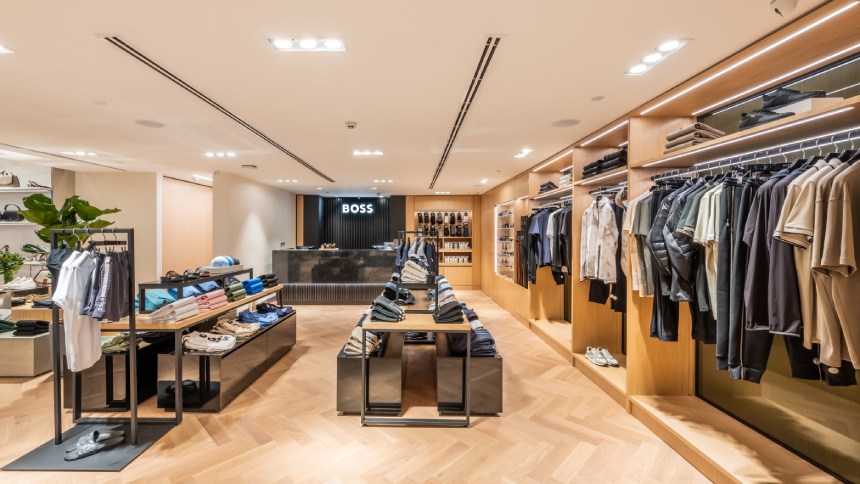
Tailoring, shirts , shoes , perfumes … and a step on the brakes. This is a sample of the 2026 “collection” from the German fashion house Hugo Boss. After years of growth, with an eye on future profitability , the moment calls for a realignment of the brands — which, according to CEO Daniel Grieder, could affect sales by 10% this year. In 2025, the company sold €4.2 billion.
However, this trend is not expected to reach Brazilian stores. If it depends on Romeo Bonadio, general manager of Hugo Boss in Brazil, the high-speed aesthetic will continue to dominate store windows for years to come.
“For us, the situation is a little different, as we have recorded higher growth than the world average, which gives us more room to continue advancing at a double-digit annual rate,” says the executive, in an interview with NeoFeed . “Even if those double digits aren’t that high, we don’t expect to fall below them.”
The more “aggressive” strategy in Brazil is due to a range of events, but mainly to the fact that Brazilian income is quite concentrated — which means that the luxury segment is not as affected as in other countries.
The United States , the brand's largest market, for example, ends up being more affected than Brazil. "This makes us more resilient," says Bonadio.
Bonadio is one of the key figures responsible for the brand's expansion in Brazil. In his eight years leading Hugo Boss and nearly 20 years of experience at giants like Louis Vuitton and Prada , he put the country on the global map, raising its ranking from 20th to 11th.
During that same period, the number of stores increased from 16 to 51, not counting the three openings planned for 2026 — one in Rio de Janeiro , another in Recife , and a third, still mysterious, location. Last year, the latest Hugo Boss store opened marked the brand's entry into the northern region, establishing itself in Belém , Pará.
“Here, we have the advantage of the customer seeing us as a luxury brand, but with a more accessible price,” says Bonadio. “This gives us greater reach, since we are placed on the same level as names like Prada and, despite having the same quality, we offer much more attractive prices and can occupy spaces that these brands do not occupy. This positioning is extremely important for us.”
For a brand that had no digital presence until 2022, this is effectively a positive point. Today, 85% of Hugo Boss's revenue still comes from physical stores, while online and wholesale share the remaining 15%.
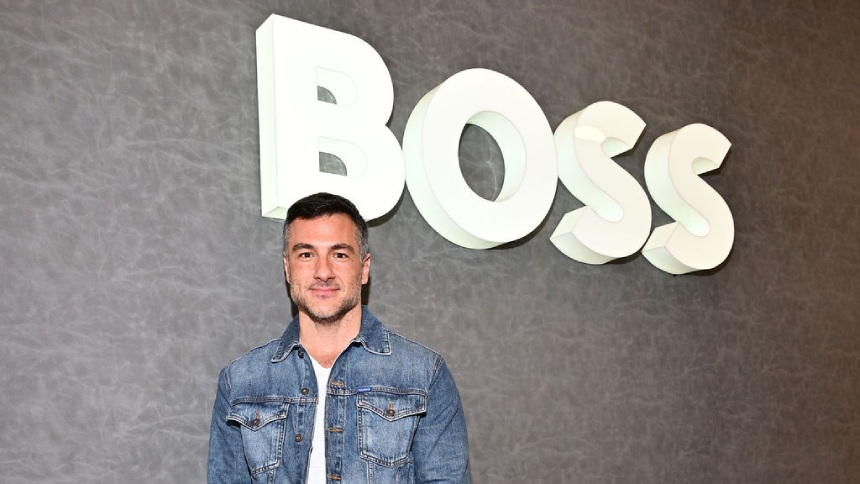
Of the 51 stores, 30 are exclusively Boss brand stores, aimed at men and women seeking sophistication, while six carry the Hugo logo, which offers a younger and more laid-back style, but with the same minimalist energy as the rest of the brand.
Overall, the most active customers are between 34 and 41 years old, and spend an average of R$ 2,200 on routine purchases. But don't be fooled. You can also find suits there costing around R$ 40,000.
“Today our positioning is to dress the person 24/7, something that didn't yet exist in the men's fashion world, especially. At Hugo Boss, you can find everything from underwear to tuxedos, including sportswear, performance wear, and even beachwear,” says Bonadio. “I believe that having this entire range of products is a great attraction for the consumer.”
Thinking about strategy beyond just products, the executive believes that now is the time to look inward, increase the productivity of existing stores, and develop omnichannel strategies.
To achieve this, it relies on data provided by the Digital Campus, a space located in Porto , Portugal, focused on collecting and storing information on all activities carried out by the brand around the world.
According to him, based on this data, it is possible to understand which strategic decisions to make, which direction to follow, and how to improve efficiency, without only considering trends used in the fashion world.
The focus is on the world of sports.
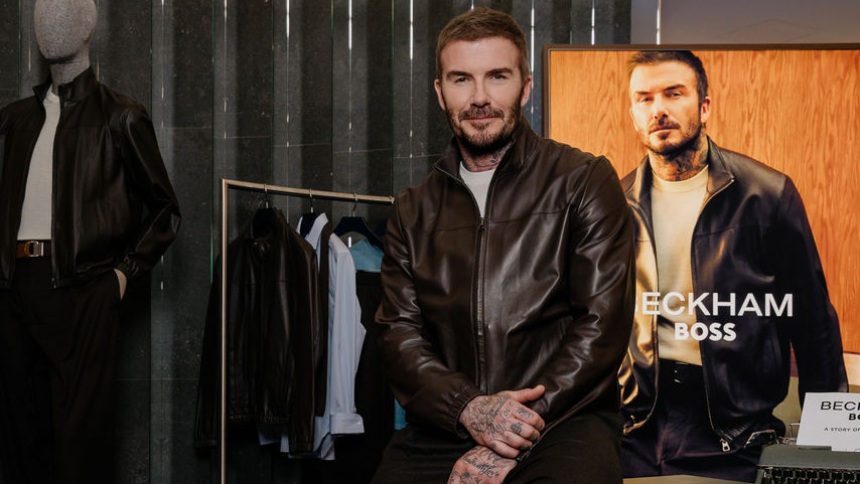
Based on this data, the brand has focused its strategy primarily on sports. Today, it has partnerships with major names in the market, such as David Beckham, who develops collections with Boss designers, as well as sponsorships of tennis players, Formula 1 teams, and basketball teams.
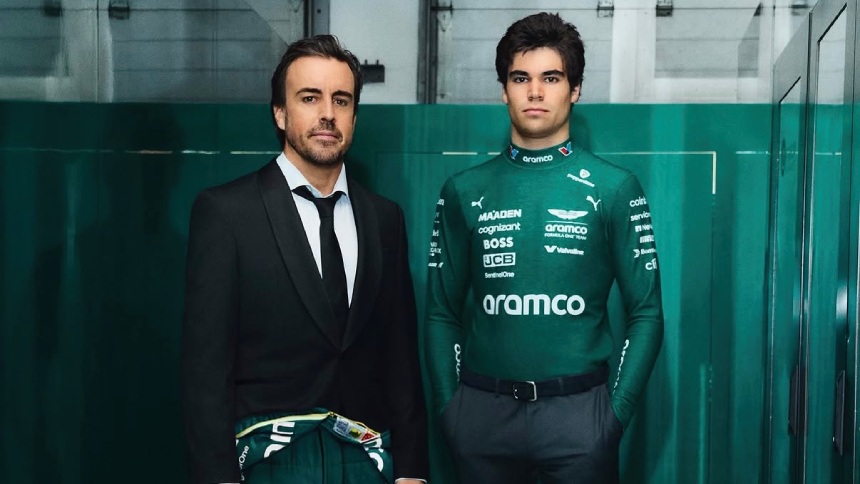
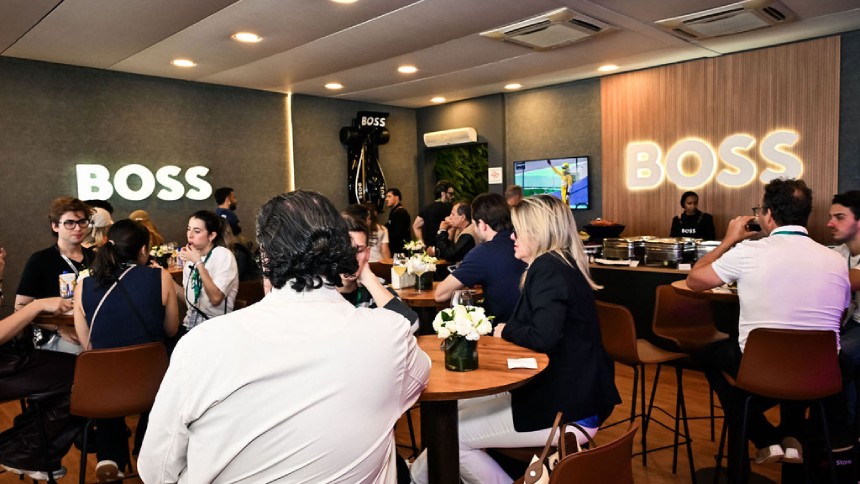
In the motorsport category, the brand is one of the big names in the Aston Martin team. Together, the companies have developed a global strategy that includes Brazil. Here, Boss will set up its VIP space within the paddock of the Interlagos racetrack for the third consecutive year in November.
The space receives around 150 people per day, including clients, celebrities, and personalities who work with the brand, with the aim of further associating the Boss name with this type of experience.
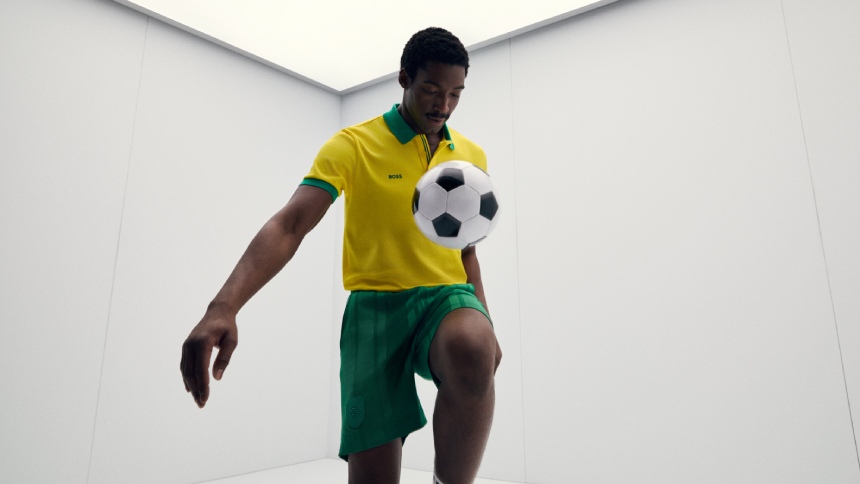
For the World Cup , the brand has developed a complete clothing collection for eight participating national teams, which will be launched soon. Alongside it, a pop-up shop dedicated solely to the event will open; the location has not yet been announced.
“Before all this brand repositioning, people thought of Boss as something their grandfather or even their father would wear, right?! Now, that’s no longer true. We really have a young brand that collaborates with artists and the most popular sports, and that makes a lot of sense,” she says. “Today, Boss is a brand that dresses successful people, and that says a lot.”