

Responsible for the growth that placed Mercado Bitcoin among the largest issuers of tokenized debt in the world, Alexandre Reda and Felipe Siqueira are now creating an investment bank.
After leaving Mercado Bitcoin in October, Reda and Siqueira founded Atlas, a new platform focused on structured credit and alternative investments. Days later, five other partners from the investment banking team left their former company and joined Atlas.
The venture was launched with an investment of R$ 5 million in a seed round that included the participation of Credit Saison, a non-bank Japanese financial institution that has been expanding its operations in Brazil through credit and structured financing operations.
Recently, the group has gained exposure in the country through initiatives such as credit operations linked to Turbi fund structures in partnership with Verde Asset .
The funding round also included participation from Seeders Ventures, as well as angel investors such as Rafael Coelho, co-founder of Sette (formerly A de Agro) and Monkey, and Paulo Cunha, who invested in Stone and CloudWalk and exited to Rappi and Nubank.
“Demand reached R$ 30 million. We had to restrict entry, but we have some investors who should come in after this first round. They are Americans,” says Siqueira.
According to Siqueira, three more investments are on the horizon, expected to come from a Brazilian asset manager with R$15 billion in investments, a local VC, and an American VC. "These will be much larger investments."
At Atlas, Reda and Siqueira implemented an operation similar to the one they started at Mercado Bitcoin, which placed the Brazilian company in the top 3 of the largest tokenized debt issuers in the world, according to the RWA.XYZ ranking.
Among the operations were advance credit to Chilli Beans franchisees and others involving FGTS (Brazilian employee severance fund) loans, telecommunications, and sub-acquiring. When he left Mercado Bitcoin, which started as a cryptocurrency brokerage, the IB (interbank brokerage) area already represented almost 40% of the company's revenue.
“Brazil ended up taking the lead. The regulation here was pioneering on this issue and became a benchmark. This gave a great advantage to those who were building this market from the beginning,” says Siqueira.
Even though operations are still in their early stages, Atlas has issued approximately R$100 million in structured credit and equity transactions, including personal and payroll loans, real estate transactions, telecommunications, power generation, data centers, and infrastructure equity deals . Another R$5 billion in issuances are in the pipeline .
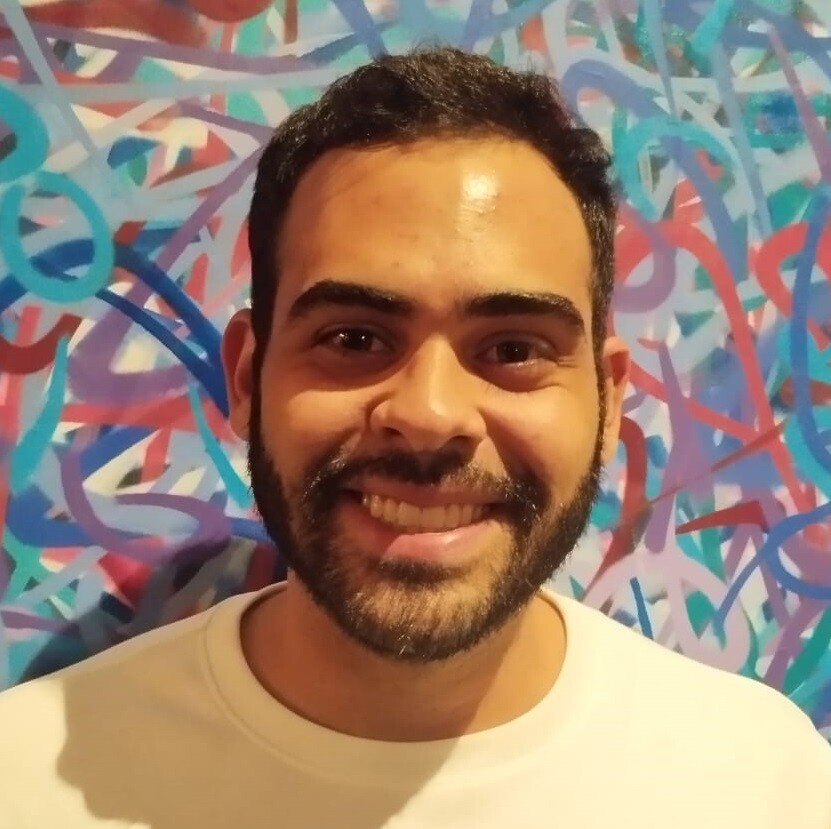
Alexandre Reda and Felipe Siqueira, founders of Atlas.
With a focus on structured debt, equity, and tokenization transactions, Atlas targets deals with ticket sizes ranging from R$2 million to R$1 billion, regardless of region. "We want to be the first global investment platform for global investors."
Siqueira says he is agnostic regarding the vehicle for these emissions, but sees blockchain technology as fundamental to achieving global scale in distribution. Initially, 70% of emissions were made via the traditional market.
Of the current portfolio, 40% of the operations originated in the United States, 54% in Brazil, and another 6% in other regions, such as Singapore and Mexico.
“There’s more going on in Brazil, given the nature of the company and its short lifespan, but Atlas is born global, without geographical limitations. It doesn’t matter if the investor is in the United States, Mexico, or Asia. I register it on the blockchain and distribute it wherever it makes sense,” says the co-founder.
In addition to the team that came from MB, some of the clients from the former firm also organically migrated to Atlas. "As soon as I announced my departure, people came to me and said, 'Hey, let's do business together.' In the end, the relationships, both at the client and channel levels, were 100% ours, practically on a personal level," says Siqueira.
Initially, Atlas's distribution will focus on institutional investors and investment advisors, who will have access to the platform's structured products. Direct service to retail investors is expected to come at a later stage, when the company intends to expand its distribution reach and strengthen its brand.
To scale the business, the company is betting on Atlas Advisor, a platform developed for investment advisors, which centralizes the origination, structuring, and distribution of products.
“Today, access isn’t direct. It’s through an investment advisor, an asset manager, an MFO, or, if necessary, a bank. Reaching the end investor is part of Atlas’s plans, but only at a later stage, when the brand is stronger,” says Siqueira.
The platform is still in beta, but according to Siqueira, it should shorten the 8-month structuring and distribution process of a traditional IB to 30 days.
“We already have some bots running. One of them is an AI agent that does the roadshow without me needing to be present. It uses my face, interacts with the client, and presents both the product and Atlas,” she says. “If a question comes up that the avatar doesn’t know the answer to, I receive a message on my cell phone.”