


The image crisis surrounding the X platform , the target of a criminal investigation in France, is not currently the only concern for billionaire Elon Musk. Tesla, the entrepreneur's electric vehicle manufacturer, has been systematically losing traction in Europe and has already fallen another position in the rankings.
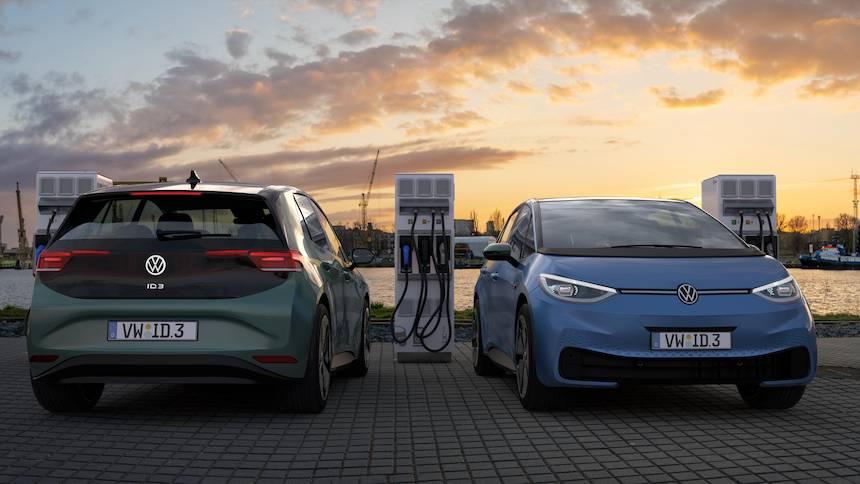
Data released this Thursday, February 5th, by the market analysis consultancy Jato Dynamics shows that the German company Volkswagen, which experienced a period of sales crisis, will surpass Tesla in electric car sales in Europe by 2025.
According to the survey, the sales volume of vehicles manufactured by Volkswagen grew by 56% in 2025 compared to the previous year, driven by high demand for the ID.7 model. On the other hand, Tesla registered a 27% drop in the same period.
In total, Volkswagen sold 274,278 battery electric vehicles in Europe last year, while Elon Musk's automaker sold 236,357. By 2025, the sales volume of this type of car on the continent is projected to have increased by 29% compared to the previous year.
This turnaround marks the end of a four-year reign by the American billionaire's company in the European market. And the outlook for 2026, according to analysts, is for this scenario to expand, with increased sales of Volkswagen models, especially SUVs.
This is yet another significant setback for Musk's company, which also lost its global leadership in electric vehicle sales to China's BYD last year, after the American automaker's annual sales fell for the second consecutive year.
And it was precisely the sales boost in Europe that allowed the Chinese brand to take the top spot from Musk's company in the electric vehicle race. Back in May of last year, the Asian company had already taken the lead in car sales.
Tesla, whose sales fell 8.6% in 2025, faces strong competition, mainly in the European market, which raises doubts about its ability to revitalize its core car business, just as Musk is steering the company toward robot taxis and humanoid robots.
BYD's sales outside of China reached 1,046,083 units in 2025, a 150.7% increase compared to 2024. Globally, 2.26 million units of 100% electric vehicles were sold last year, a 27.9% increase.
Tesla, on the other hand, reached 1.64 million vehicles in 2025, a drop of 8.3% compared to the previous year. To give an idea of how much the Chinese company has "overtaken and opened up," this volume of 1.6 million is only what BYD intends to sell outside of China in 2026.
When Elon Musk was head of the Department of Government Efficiency (Doge), at the beginning of US President Donald Trump's term, until May 2025, he had already faced problems in Europe, mainly due to his attacks on opponents of far-right politicians.
At the time, this move generated a strong negative reaction from consumers, who boycotted the brand. In January of last year, for example, sales in Germany fell by 60%, detected after Musk's support for the far-right Alternative for Germany party in the 2025 general elections.
During the same period, Musk's brand registered a 45% drop in the UK market and an 11% drop in the country of its competitor BYD.
Due to the pressure his businesses faced because of his political stance, Musk left the White House, in conflict with Trump, claiming he would focus on his companies and recover the damaged image of his automaker. As a result, Tesla mitigated some of the losses in its stock price during the height of the businessman's public activity.
The market, however, still seems to doubt Musk's ability to get Tesla back on track in the electric vehicle market. On Thursday, the company's shares fell 2.3% on the Nasdaq, around 11:30 am (local time).
Over the past 12 months, the American automaker's stock has appreciated by 5%. Tesla is valued at US$1.23 trillion.