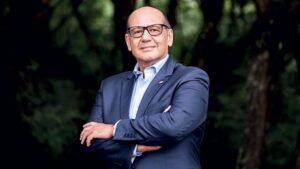


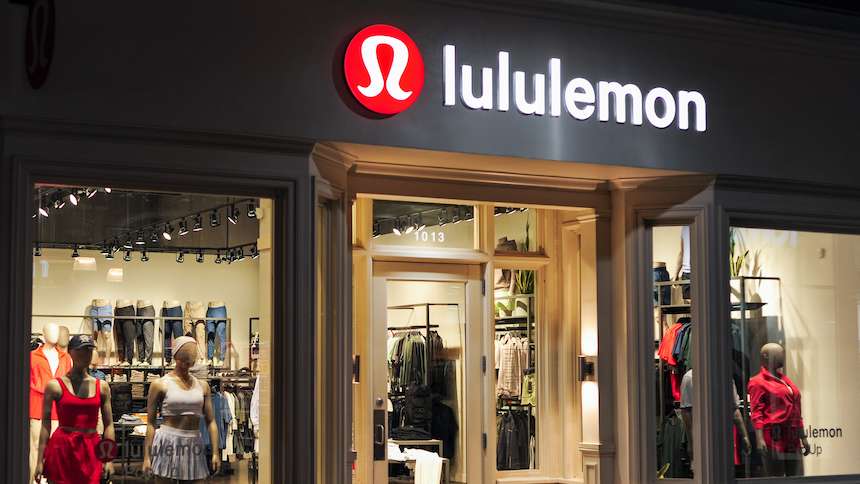
Created around yoga , wellness, and balance, Lululemon is currently facing a decidedly un-zen dispute, with its founder, Chip Wilson, attempting to regain influence over the company's direction more than 10 years after leaving amid allegations of conflicts of interest.
The sporting goods retailer released a letter opposing Wilson after the founder nominated three individuals to compete for the three board seats in a vote at the annual meeting on June 25. The board is asking shareholders to vote for the company's candidates — Chip Bergh, Esi Eggleston Bracey, and Teri List — and reject the founder's slate.
The dispute will likely be decided by a group of heavyweight investors. Wilson remains Lululemon's largest individual shareholder, with approximately 9% of the capital. However, the shareholder base is fragmented and includes among its main partners the four largest asset managers in the world — Vanguard, BlackRock, State Street, and Fidelity — which together manage over US$37 trillion. In Lululemon, these asset managers hold 7.2%, 7%, 4.1%, and 3.9% stakes, respectively.
Among the company's shareholders is also Michael Burry , an investor who became famous for anticipating the 2008 subprime mortgage crisis. In Scion Asset Management's latest public report, he doubled his stake in the company, from 50,000 to 100,000 shares.
Wilson's offensive rests on the argument that Lululemon has lost part of its creative soul and needs to reposition product, brand, and premium consumer at the center of its strategy. For the three up-and-coming positions, he nominated Laura Gentile, former marketing executive at ESPN; Eric Hirshberg, former CEO of Activision; and Marc Maurer, former CEO of On.
In the letter, Lululemon stated that Wilson left the board more than a decade ago for "well-documented reasons" and that, since then, he has been "attacking the company and the board for many years, harming the brand and shareholders." According to the company, the founder is trying to "regain the influence over the company that he has coveted since he left," has "outdated views" on brand positioning, and "worrying conflicts of interest."
The company also classified its tactics as "disruptive" and "damaging to the brand," stating that they harm shareholders, alienate customers, and undermine employee jobs.
Wilson was CEO of Lululemon from its inception in 1998 until December 2005, and remained on the board, where he served as chairman until December 2013. His definitive departure came in February 2015, when he left the board after the company concluded that Kit and Ace, a brand created by his wife and son, was competing with Lululemon.
The letter from Lululemon to shareholders was signed by Martha Morfitt, the company's chairwoman. Morfitt joined the board in 2008, when Wilson was still one of the central figures in the company, and served alongside the founder on the board until his departure in 2015.
Wilson's attempt to regain influence comes amid criticism of Lululemon's loss of momentum in the American market, doubts about the brand's capacity for innovation, and a sharp drop in its stock, which has fallen 42.6% since the beginning of the year. The company itself acknowledges the need to "re-energize the creative product engine," accelerate innovation, and reinforce the brand's premium positioning.
In the fourth fiscal quarter of 2025, ended February 1, the company reported net revenue of US$3.6 billion, a 1% increase compared to the same period of the previous year. Net income fell from US$749.5 million to US$586.9 million, while diluted earnings per share declined from US$6.14 to US$5.01.
Until the vote on June 25, Lululemon and Wilson will try to convince a predominantly institutional shareholder base to decide who will have a say in the company's next cycle: the founder, who says he wants to recover the brand's creative soul, or the board, which claims to be protecting the company from its own creator.
So far, none of the major investors have commented on the matter. Burry also did not detail a specific thesis for Lululemon, but said that the company's shares are part of a "whale fall away from the main show"—referring to large companies abandoned by the market while attention focuses on artificial intelligence.