



Beijing and Shanghai - Walking along the wide avenues of Beijing and Shanghai is no easy task, especially for beginners. Caution is needed given the frenetic traffic of motorcycles and bicycles that weave through the streets – sometimes even sidewalks – and don't always respect pedestrian right-of-way.
In contrast to this constant flow of two-wheeled vehicles, one element stands out and demands extra caution: silence almost dominates the streets, following the growing number of electric cars , represented by a sea of green license plates in Chinese metropolises.
One of several projects whose starting point – and acceleration – was an extensive package of incentives and stimuli from the Chinese government in recent years, the advancement of electric cars is a reality in the country of the Great Wall. And one of the names that jumped on the bandwagon, reinforcing this trend, was Xiaomi .
Founded in 2010, Xiaomi gained fame as the " Apple of China ." Its founder, Lei Jun, made appearances and presented his work in the style of Steve Jobs . Similarly, the brand's smartphones were heavily inspired by Apple devices, but were sold at more affordable prices.
In 2021, Jun decided to replicate this strategy in electric vehicles. Three years later came the debut in the category. Curiously, Apple itself did not complete this journey. In 2024, the company abandoned its electric and autonomous car project after investing ten years and US$10 billion in the initiative.
Xiaomi's trajectory, in turn, has been marked by the launch of cars frequently compared, especially in terms of design, to models from brands like Porsche and Ferrari . Sold, however, at prices well below those of these manufacturers.
Visiting the company's electric and hybrid vehicle factory in Beijing helps to understand how Xiaomi manages to balance this equation and attract waiting lists for its models. At the same time, the facility indicates how the automaker and its peers in China are going far beyond producing mere copies.
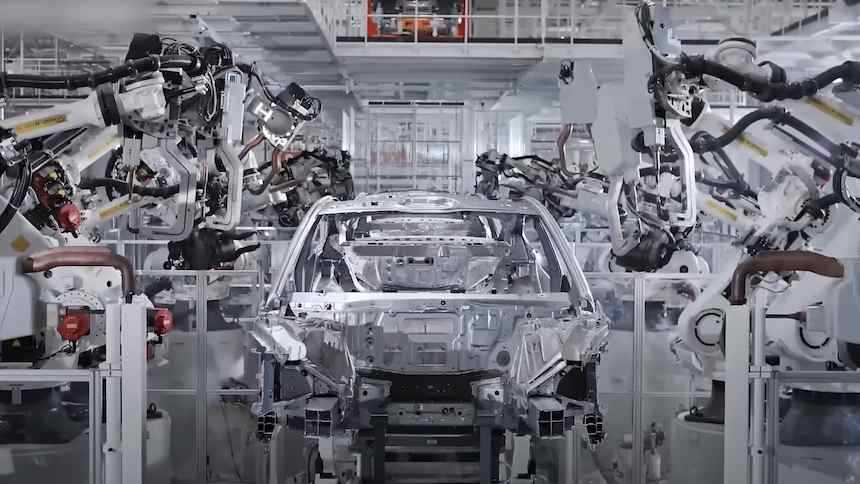
You hardly see any workers on the factory floor in the Yizhuang district, which produces 1,500 cars a day. The pace on the assembly lines is dictated by approximately 700 robots, whose choreography, orchestrated by artificial intelligence (AI) algorithms, translates into a 91% automation rate.
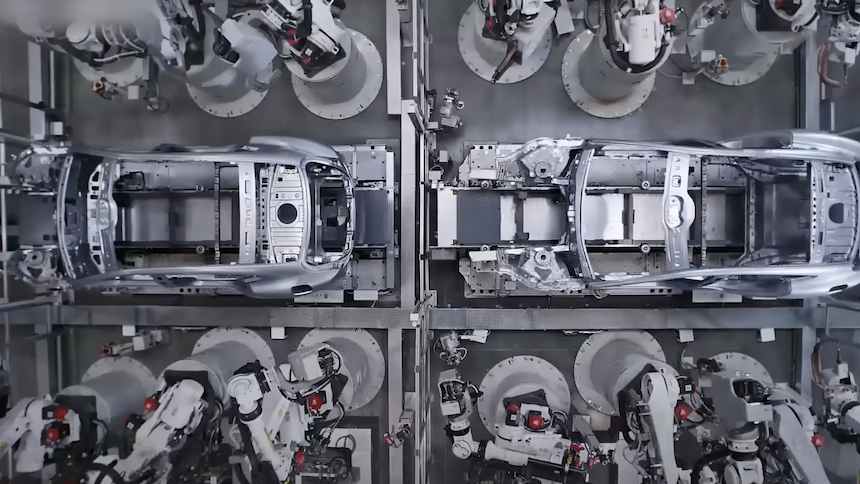
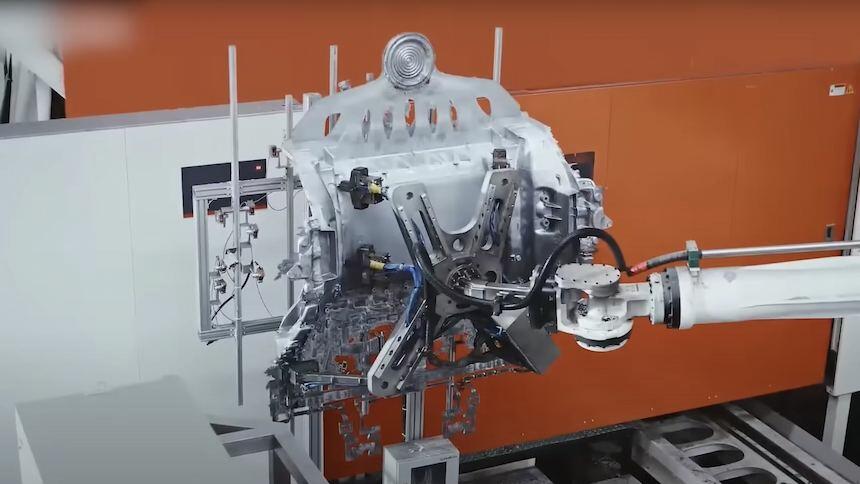
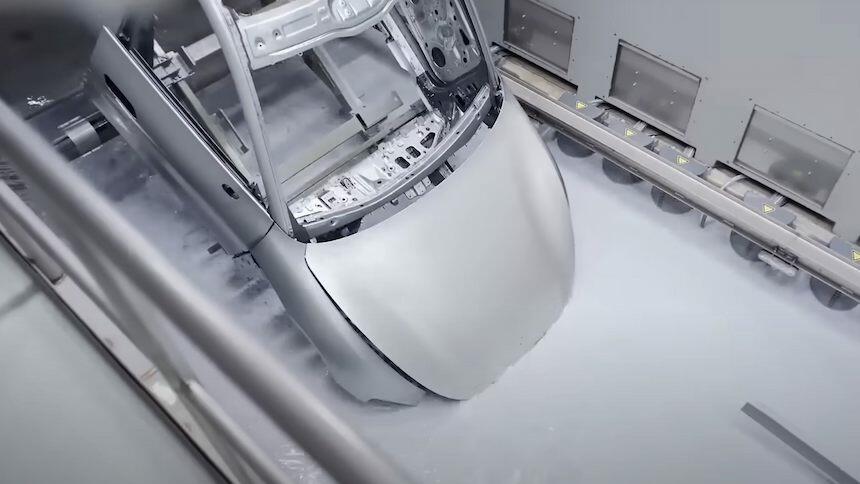
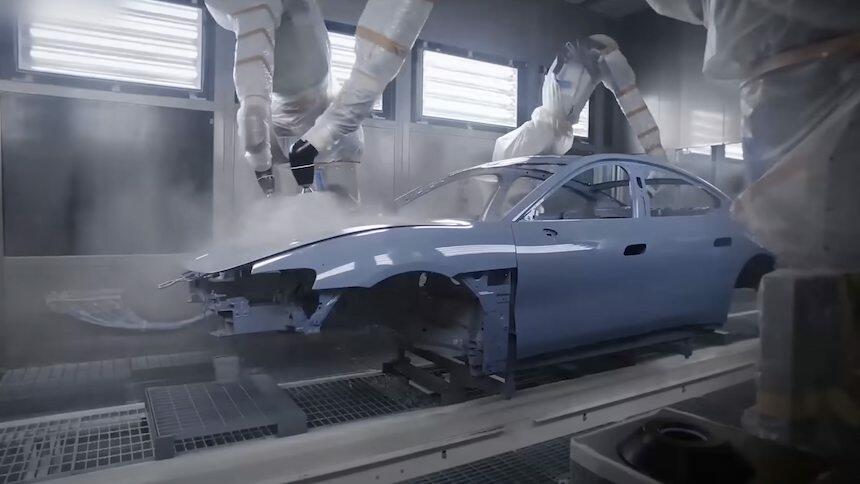
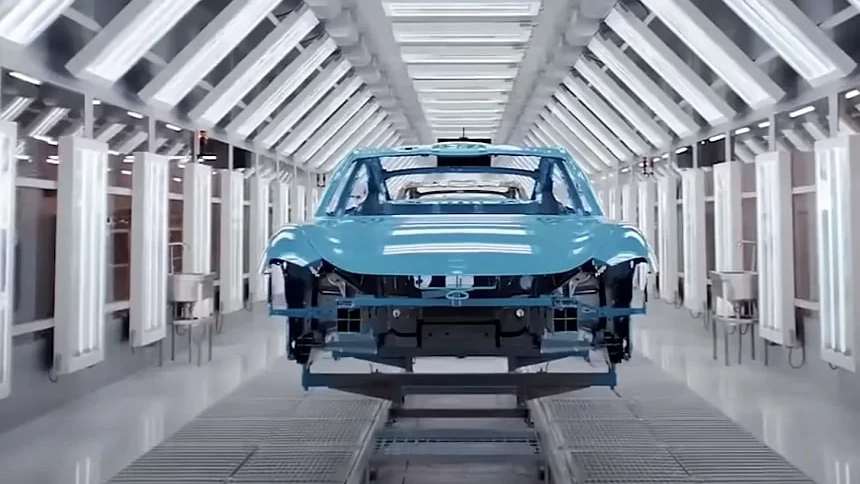
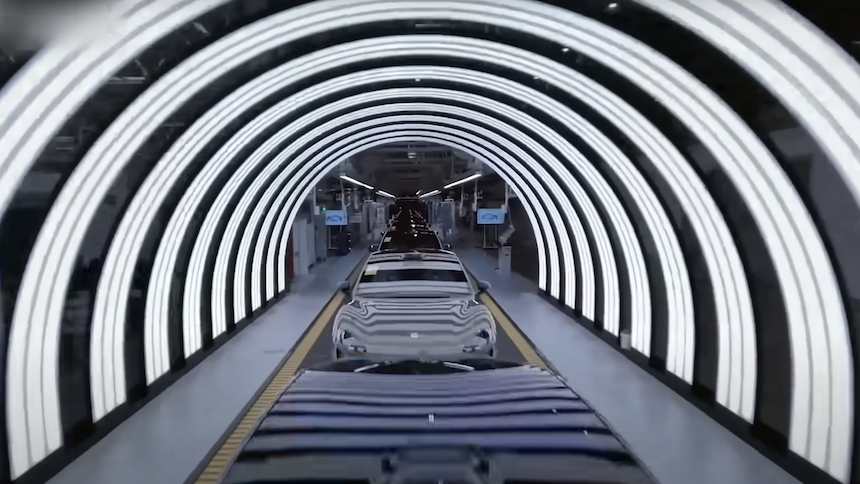
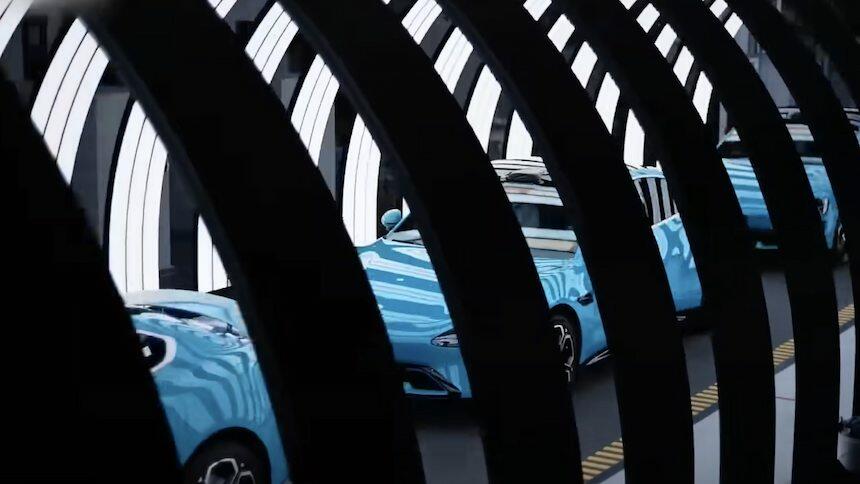
By combining these forces, the unit produces a vehicle every 76 seconds. Speed also sets the tone on the track outside the factory, where test drives are conducted with the SU7 Ultra model, which accelerates from zero to 100 kilometers per hour in 1.98 seconds.
This speed has parallels elsewhere. In 2025, for example, Xiaomi registered almost 300,000 orders in the first hour after the launch of the YU7 SUV. In two years, the company has already registered more than 650,000 electric cars sold. Last year, it was 410,000. For 2026, the projection is 550,000.
In another area of the factory, which also includes a showroom, the company details some stages of the projects, in addition to reinforcing a component that has gained strength in this process: the integration of the cars' systems with the brand's ecosystem of personal devices and smart home technology.
Foot on the brake
Investment in this technological upgrade, largely driven by AI, including in manufacturing, is one of the guidelines of the new five-year plan (2026-2030) announced about two months ago by the Chinese government. And this plan no longer considers electric cars as one of its most strategic pillars.
The new guidelines indicate a slowdown in the provision of subsidies and incentives for automakers and consumers, a policy that has been central to the last three five-year plans and helps to understand how the Chinese state's influence has strongly contributed to the consolidation of the sector in the country.
One of several examples in this direction involves green license plates, introduced to identify pure electric cars, plug-in hybrids, and hydrogen vehicles, also called new energy vehicles. These plates are granted free of charge and immediately.
Obtaining the blue license plates for combustion engine vehicles involves a lottery or a sort of system that can be quite expensive and time-consuming for drivers in major cities like Beijing and Shanghai.
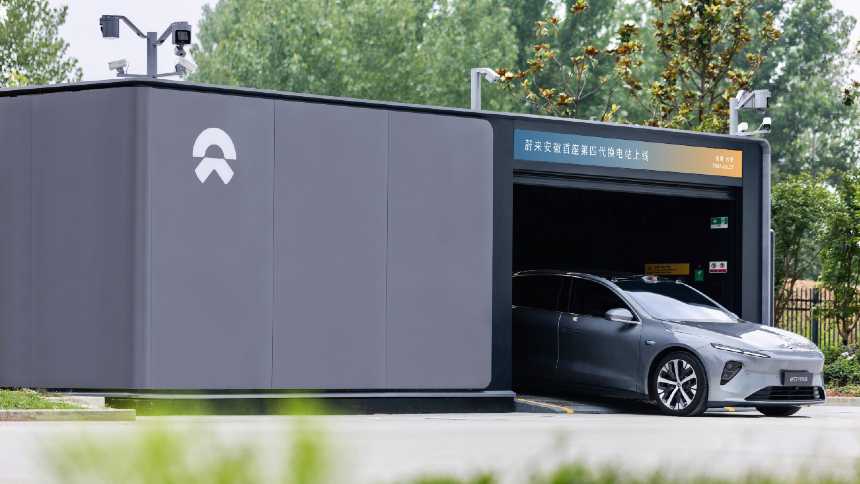
On the other hand, China has by far the largest network of electric vehicle charging stations, with over 20 million installations distributed throughout the country. Of this total, approximately 4.6 million are public and more than 14.7 million are private.
Expressed in these and other diverse measures, such as investment in different stages of the sector's supply chain, this massive support for the development of electrification has allowed the country to consolidate itself by a wide margin as a global leader in the category.
Data from the International Energy Agency (IEA) shows that China currently has a fleet of over 44 million new energy vehicles – with more than 13 million sold by 2025. And the local market accounts for six out of every ten electric cars sold globally.
These numbers are also reflected in the abundance of offerings from local automakers. The category ended last year with around 700 models available in the Chinese market, a growth of approximately 25% over 2024.
As part of this broad spectrum, there has been the rise of brands such as BYD , which has surpassed, on more than one occasion, the American company Tesla , owned by Elon Musk, in sales and revenue, becoming the largest global manufacturer of electric vehicles.
Beyond the Great Wall
Heavily encouraged by the state, this growth in the category has resulted, however, in a large base of automakers who, faced with a sharp slowdown in domestic consumption, now have a huge amount of idle installed production capacity in their factories.
One consequence of this context was a price war, which has affected the margins of companies investing in this category. A second strategy employed by these automakers was to intensify their search for markets beyond China.
More focused on the premium segment, Xiaomi has managed to overcome this scenario, but already has plans abroad. The company has made it clear that it should begin its expansion in 2027, starting from Germany, where it has maintained an R&D and design center for electric vehicles in Munich since 2025.
Other Chinese automakers have already shifted gears toward other markets. Leapmotor , for example, piggybacked on a joint venture with Stellantis, formed in 2023, which recently included a partnership for the production of the brand's vehicles in Spain.
Besides Europe, this search for new destinations has positioned Brazil as a focus market. This has been reinforced by names like BYD, which has expanded its local investments, and Great Wall Motors (GWM), which announced a plan to invest R$ 10 billion in the country by 2032.
These movements have been accompanied, however, by reactions from some countries and regions targeted by this expansion. The European Union, for example, has already imposed additional tariffs on electric vehicles manufactured by Chinese automakers.
However, many analysts argue that Chinese automakers will not have a clear path in other countries, since in those markets they will not have access to the model that allowed them to develop rapidly in China.
At the same time, some are pointing out that this model created by the Chinese government, which is not limited to electric vehicles, is now being heavily questioned in light of weaker energy consumption, as well as its sustainability and longevity.
This does not, however, prevent China from beginning to reap the rewards of this offensive. Data from the China Passenger Car Association shows that, in April, for the first time, the country exported more electric and hybrid cars than conventional ones, reaching 406,000 units.
While Xiaomi and its peers continue to advance, even with more difficulties in the Chinese market, in the West, other automakers are paying the price for their unsuccessful bets in the category so far. Honda, GM, and Ford were some of the names that registered billion-dollar losses in this regard.
Along this path, the most recent misstep among iconic Western brands came from Ferrari, which unveiled the Luce, its first electric car. Subsequently, faced with overwhelmingly negative reactions, its shares plummeted on the Milan Stock Exchange.