

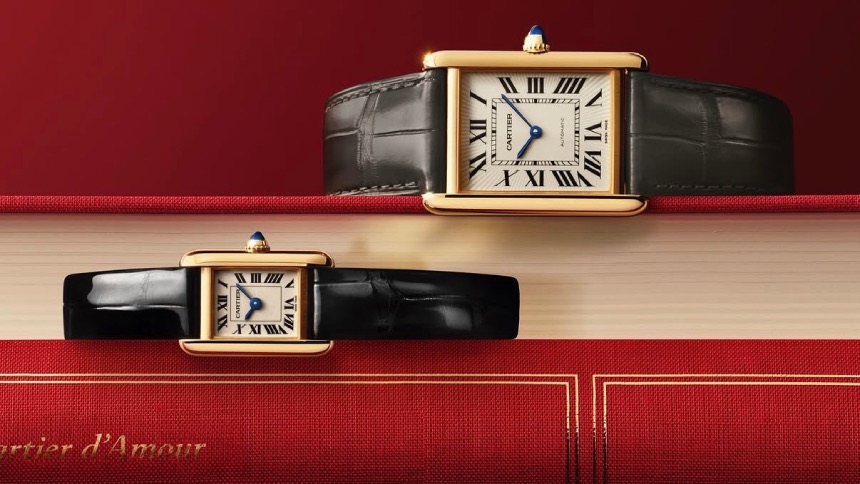

Nearly 180 years after the founding of Cartier , interest in the Parisian maison 's watches is renewed. Of the 20 most valuable pieces in the last eight years, ten are from the brand created by Louis-François Cartier in 1847. The Tank Vermeil and Panthère models registered increases of 299% and 218%, respectively, during that period.
The recently released Chrono24 survey puts into perspective the idea that investing in Rolex is always the safest investment. The list from one of the world's largest luxury watch sales platforms does not include a single reference to the Swiss manufacturer.
“This analysis dispels a fairly common misconception: you don’t need to invest a fortune to buy a watch that appreciates over time. Some of the best-performing models of the last eight years could be purchased in 2018 for a fraction of the price,” says Balazs Ferenczi, Head of Brand Engagement at Chrono24, in a statement.
"What these models have in common is not the price, but the essence: an iconic design that endures for decades and a demand that doesn't depend on waiting lists, but rather on genuine value for collectors," he adds.
According to the marketplace report, Rolex remains by far the best-known and most traded brand in the resale market. However, in the ranking of sustained appreciation, the brand appears much lower. One of its best-selling models, the Datejust, has registered a 59% increase in value since 2018. A solid result, but far from the triple-digit gains of Cartier.
This is because Swiss parts were already relatively well-regarded in 2018 and were boosted by speculative demand during the pandemic years. With the end of the boom , prices stabilized at a high level or suffered a slight drop, leaving little room for higher returns.
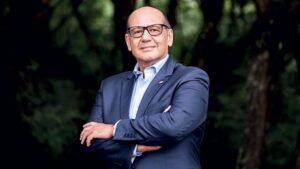
In recent years, while much of the high-end watchmaking industry sought technological innovation and increased mechanical complexity in its models, the French house opted for refinement, simplification, and reinforcement of its identity. "This choice, which might seem conservative, proved to be extremely contemporary," says Roberto Kanter, professor of retail at FGV and partner at the consulting firm Canal Vertical, in an interview with NeoFeed .
By repositioning the brand as an extension of a personal language, the expert explains, some Cartier models, such as the Cartier Tank and the Cartier Santos, “ceased to be merely iconic products and became cultural codes.” “And this was reinforced by three clear strategic decisions: rigorous distribution control, valuing the historical portfolio, and aesthetic consistency over time,” Kanter adds.
This behavior was crucial in transforming Cartier into a "darling" of younger consumers — especially the older members of Generation Z.
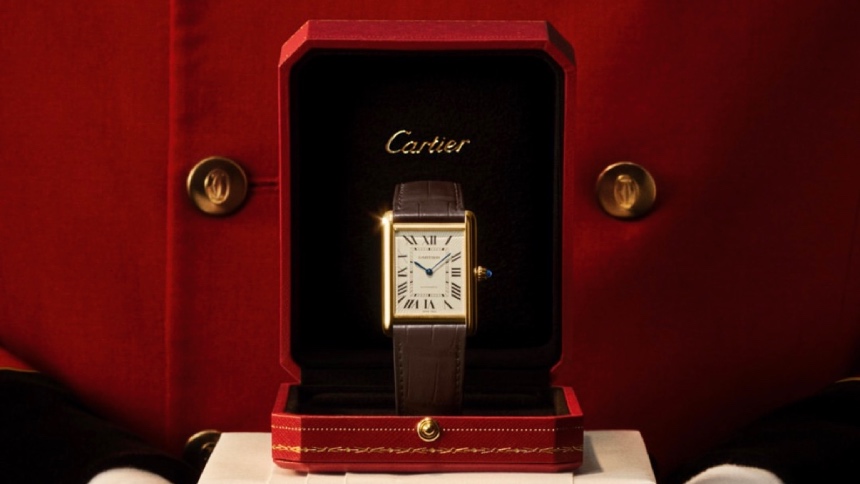
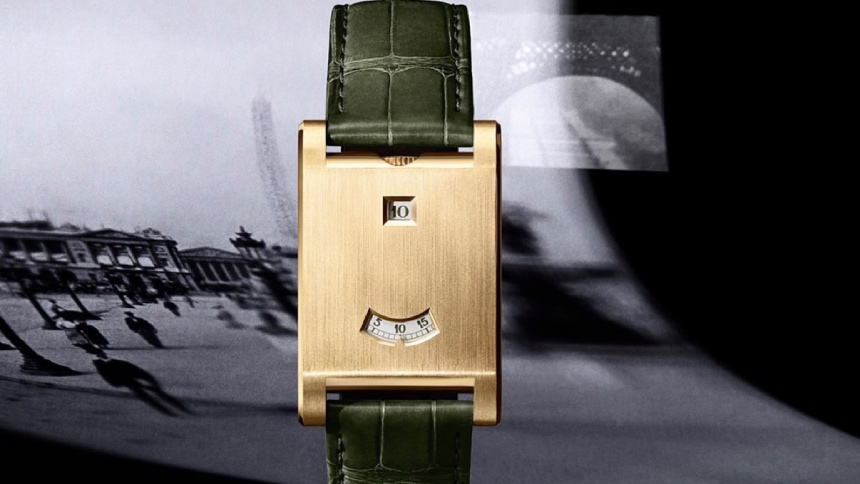
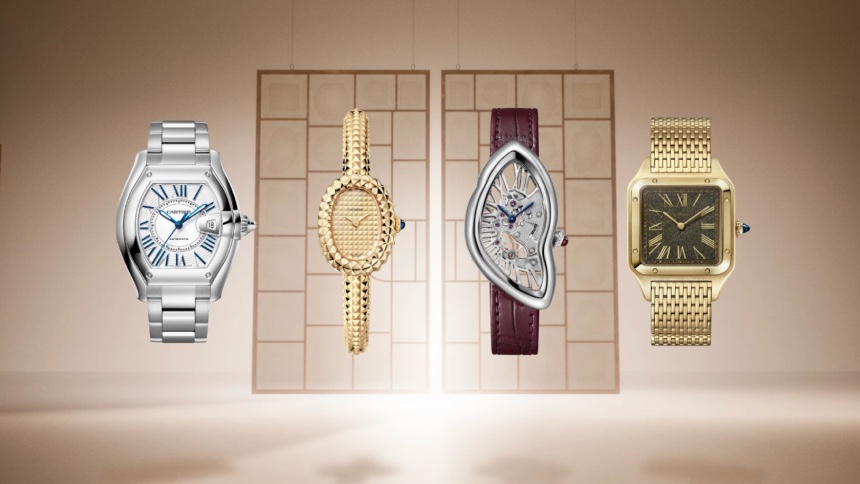
Another study by Chrono24, released at the end of 2025, shows that, among them, the maison 's share of total purchases rose from 1.7% to 6.8% in seven years — a fourfold increase, driven mainly by the Tank and Santos-Dumont models in the secondary market.
Unlike previous generations, younger generations prioritize coherence, aesthetics, and meaning, which is reflected in Cartier's design. The watches are easily recognizable, with their rectangular shapes and smaller proportions—a feature that works very well in digital environments for those on TikTok and Instagram .
Next, Kanter says, the French manufacturer positions itself not only as a watchmaker, but as a style brand. And one must also consider the narrative proposed by the company: “Generation Z buys stories they can sustain. Cartier offers this clearly. The product communicates something about the wearer, without needing external explanation,” adds the FGV professor.
Proof of the strategy's success is the list of celebrities who flaunt the brand on social media. In August 2025, after singer Taylor Swift appeared in her engagement photo wearing a Cartier Santos Demoiselle, searches for the brand and the model itself grew exponentially.
Cartier knows how to use this tactic. With appearances in series like Succession, where pure luxury dominates, the brand is a frequent presence on social media.
Such successes result in increased sales. In 2025, the jewelry segment of Richemont , the Swiss luxury conglomerate that has owned Cartier since 1993, reached sales of €15.3 billion. Of this total, the Parisian watchmaker accounts for approximately €10 billion.
The brand's positive outlook contrasts with the constant depreciation of the global luxury market, now further affected by the war between the United States and Israel against Iran, which has weakened buyers in the Middle East region.
Giants like LVMH , Kering , and Hermès presented their first-quarter 2026 financial results last week, all below market expectations, in the midst of a year that should have restored the shine to these brands.
From this perspective, Kanter assesses some possible scenarios for Cartier in the coming years. He believes it is more likely that the brand will experience selective, rather than generalized, growth during this period.
“Iconic models, with high liquidity and strong recognition, tend to preserve value and may continue to appreciate. More peripheral pieces, on the other hand, should show stability,” he says. “However, there is a central point in this dynamic: Cartier still has room for structural appreciation because it has consolidated its relevance with Generation Z. This factor is not circumstantial, it is generational.”
For him, the future of Cartier will be defined by continued appreciation, with greater diversification among models.