

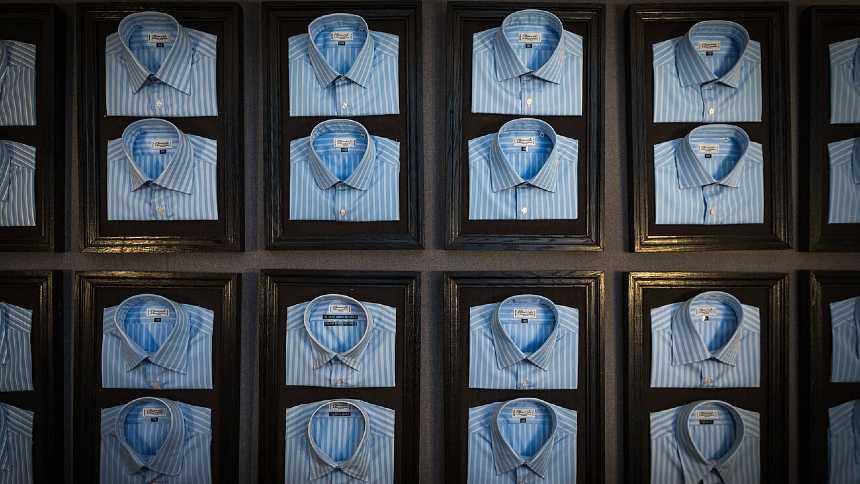
Paris - These are golden times for high-end men's fashion . Valued globally at US$38.3 billion, the sector is expected to reach US$61.1 billion by 2035. More than just capitalizing on this acceleration, the Parisian shirtmaker Charvet helps to explain it.
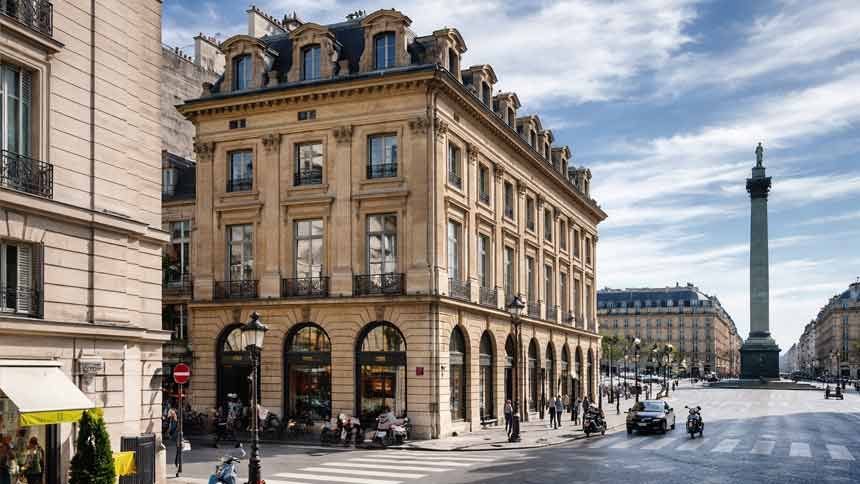
At number 28 Place Vendôme, the historic hub of European luxury, history seems suspended since 1838 - when the brand was founded by Joseph-Christophe Charvet, son of Napoleon Bonaparte's wardrobe curator.
Throughout its 188 years, Charvet has remained true to craftsmanship, the highest quality materials, and impeccable cuts. The brand changes little, but changes enough. Averse to ostentatious logos, catalogs, advertising campaigns, and celebrity ambassadors, it discreetly follows contemporary trends. Silent luxury is its protection against obsolescence. And exclusivity is the pillar of its relevance.
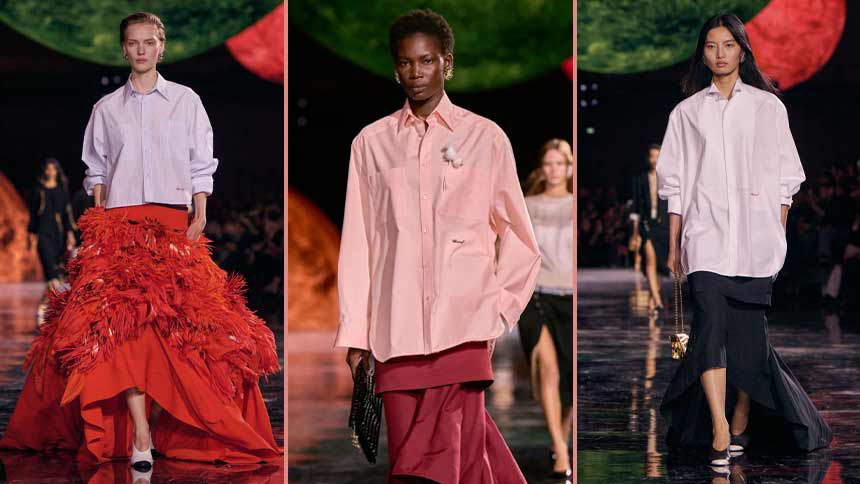
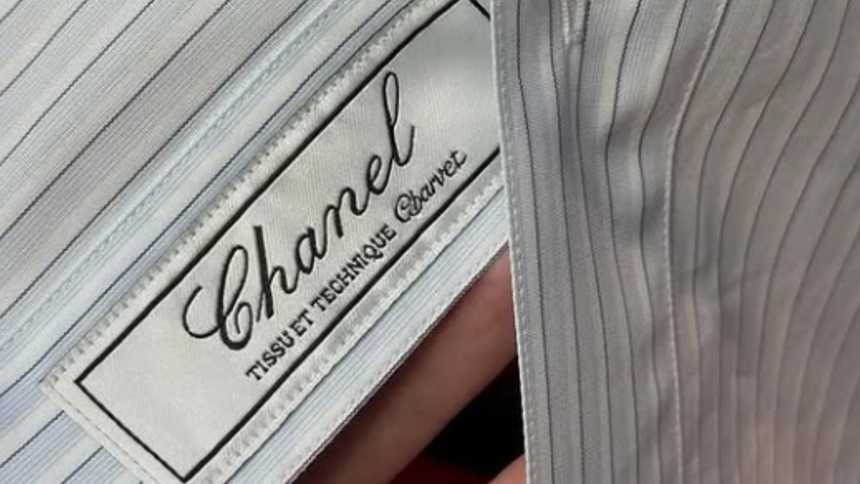
Therefore, it drew attention when, in October 2025, at the Chanel Haute Couture Spring/Summer 2026 show, artistic director Mathieu Blazy, newly arrived at the maison , presented three shirts on the catwalk whose labels bore "Chanel — Charvet fabric and technique".
It was a tribute to the designer Coco Chanel who, like her boyfriend Arthur Edward “Boy” Capel, was a fan of the Place Vendôme store. In 1929, when creating the costumes for the ballet Apollon Musagète , for example, she used Charvet ties as belts for the muses' tunics.
With the Chanel fashion show, the brand achieved an unusual level of exposure in its history. It graced the pages of The New York Times , Vanity Fair , Le Figaro … in addition to generating buzz on social media. And so, with pieces priced at US$4,300, the world's oldest shirtmaker was introduced to the general public. The goal was never the overexposure of a Kardashian flaunting a wardrobe full of Charvet. Far from it.
The brand, however, wouldn't have reached where it is today if it hadn't renewed its clientele. After Blazy's collection, for example, the brand saw an increase in the number of women interested in its shirts. Orders from technology entrepreneurs are also growing.
Rejuvenating your consumer base is crucial, especially now, with the largest wealth transfer in history — by 2030, an estimated US$3.5 trillion is expected to shift from baby boomers to their heirs in Generations Y and Z.
A statement from siblings Anne-Marie and Jean-Claude Colban, owners of Charvet, clarifies the brand's priority: to expand without compromising the trust of its historical base. In one of their rare interviews, they told Business of Fashion about the partnership with Chanel: “Our customers felt honored and flattered (...). This collaboration does not betray them.”
This concern translates into the shopping experience. Acquiring a Charvet shirt requires physical presence. If it's custom-made, the customer must go to the shop-atelier several times and spend a considerable amount of time there, for approximately 30 measurements and many fittings.
Then, on average, it takes six weeks for the piece to be ready. A ritual that most people perform with pleasure — and pride. After all, a Charvet is for a select few. In ready-to-wear, it costs between €500 and €700. Made to order, from €800 to €1,500.
In contrast to the immediacy of online commerce, the brand practically doesn't exist in the digital realm. The website only lists the address on Place Vendôme, the opening days and hours, and a link to Instagram — whose account, created in 2020, is very inactive.
And so Charvet must continue. The company remains family-run, with around 100 employees — approximately 30 in Paris and the rest in workshops in the Indre region, about 270 kilometers from the capital. Shirtmaking is the core of production, but Charvet also manufactures ties, scarves, pajamas, and slippers, among other items.
The "glory of Paris"
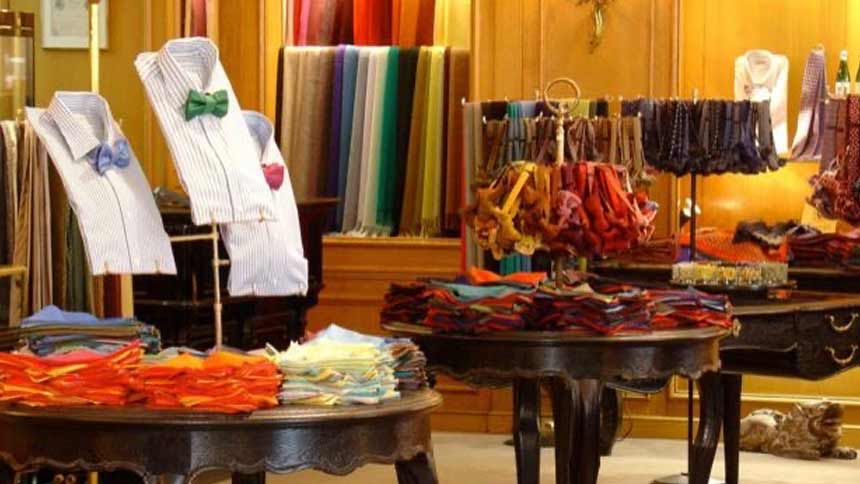
Entering the four-story building on the corner of Place Vendôme and Rue de La Paix is like stepping back in time. Part shop, part atelier, the wooden tables and shelves and the soft lighting evoke the brand's century-long history.
There are rolls and rolls of fabric, about 6,000 different kinds. Plain, patterned, 400 textures and weaves; a profusion of colors—100 different shades of white alone. "No one in the world has ever seen such things! Pinks, blues, lilacs, in silk and spiderweb! Charvet is the greatest artist of Creation," the writer Marcel Proust (1871-1922) once noted. He even mentions the brand in his In Search of Lost Time .
Charvet emerged at the height of dandyism, when men's clothing became more fitted and waistcoats revealed shirts. As the world's first shirtmaker, it was born a benchmark of luxury and quickly won over kings, princes, presidents, heads of state, and the financial and intellectual elite—a reputation it maintains to this day.
At the 1889 Universal Exposition, the same one where Gustave Eiffel presented his tower, the brand received a gold medal for representing the "glory of Paris".
In the mid-1960s, Charvet's heirs put the store up for sale. Then-President Charles de Gaulle was concerned about the potential loss of the "heritage" to an American group.
The Ministry of Industry then tasked Denis Colban with finding a French buyer for the shirt company. As a fabric supplier to the brand, he himself acquired the company – which is now run by his sons.
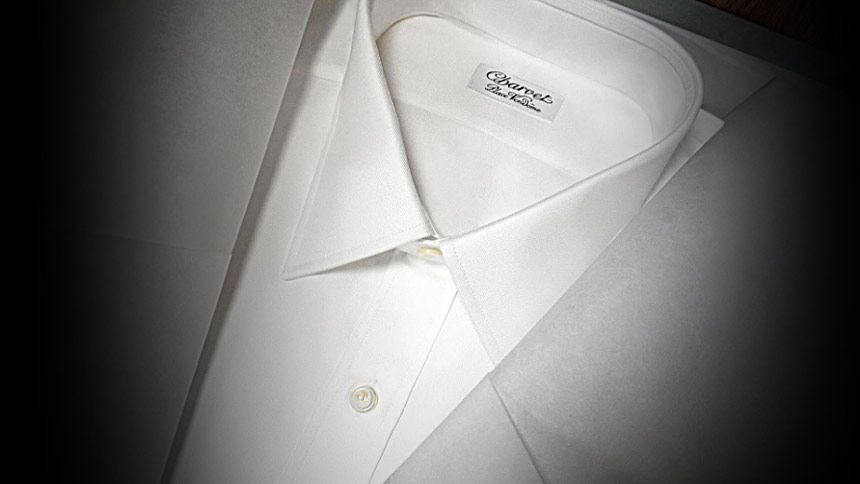
“Charvet’s meticulous attention to detail, whether it’s the mother-of-pearl buttons or the reinforcements inside the collars, is what makes the difference,” explains luxury expert Benny-Lovhe Mateky to NeoFeed , who has worked as a client advisor for Louis Vuitton, Hermès, and Moncler, among others.
The care taken is such that the tailors even consider whether the client wears a watch or not, in order to adjust the sleeve of the garment to accommodate the accessory. In striped shirts, the lines remain perfectly matched, without any mismatches or discontinuities. As Mateky says: "There's a shirt, and then there's the Charvet shirt." Those who know, recognize—and that's what matters.