

After years of turbulence, recently exacerbated by the war in Iran , Boeing has begun to show signs of recovery in its commercial aircraft unit, to the relief of investors. However, extra costs related to the refurbishment of the US presidential jet have kept the bottom line in the red.
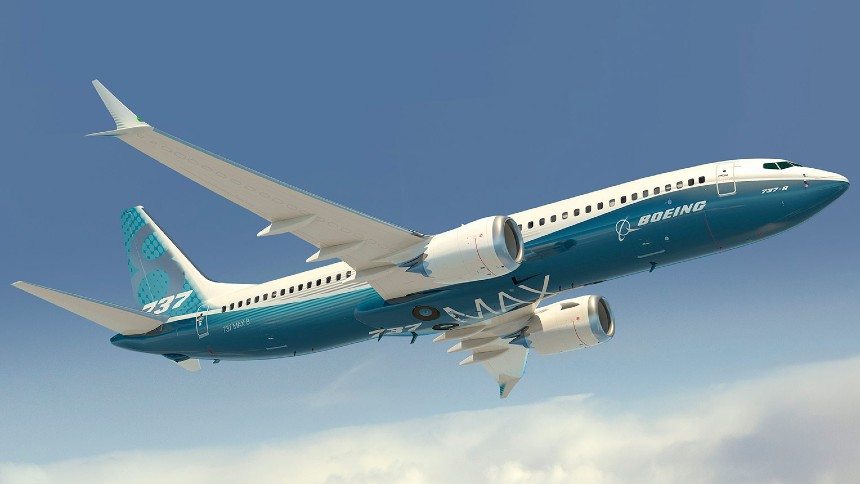
Still recovering from the consequences of the crashes of two 737 Max aircraft in 2018 and 2019, the American manufacturer presented figures that impressed the market, leading many analysts to believe that the restructuring efforts promoted by CEO Robert “Kelly” Ortberg in almost two years at the helm are bearing fruit.
Boeing reported on Tuesday, July 28, revenue of $24.6 billion in the second quarter and free cash flow of $631 million, representing an 8% increase and a reversal of the negative balance reported in the same period of 2025, respectively.
Cash flow was boosted by deliveries of commercial jets, which rose from 143 in the first three months of the year to 171, while the backlog reached a record value of US$597 billion, with 6,800 aircraft.
The numbers pleased investors, with shares rising more than 5% in trading. Around 4:45 PM, the shares were up 4.86%, at US$221.78. Year-to-date, the shares are down 2.47%, bringing the market capitalization to US$175.3 billion.
Since taking the helm at Boeing , Ortberg has been working to improve the company's efficiency, reviewing the production process and bringing executives closer to the factories, given the assessment that this aspect had been neglected in recent years.
The crash of the two 737 Max aircraft, which resulted in the deaths of 346 people and led to the global suspension of operations for the model for approximately 20 months, highlighted this need.
Following the accidents, accusations began to surface alleging negligence on the part of the company in the safety certification processes for this and other Boeing aircraft models, generating a crisis of confidence surrounding the company.
Ortberg also bolstered the company's cash reserves by issuing shares and shutting down projects whose results would not materialize in the short and medium term, focusing on core businesses. This mindset resulted in the sale of part of the digital aviation division last April to the private equity fund Thomas Bravo for US$10.5 billion.
The results reinforced the perception that Ortberg's strategy is beginning to produce results, with investors assessing that Boeing is on the right track for recovery and should achieve the goals set for this and the coming years.
Analysts project that Boeing could deliver around 670 aircraft in 2026, compared to 600 in 2025, according to a report by Barron's . The consensus also points to free cash flow close to US$3 billion this year. By 2028, estimates indicate more than 850 aircraft delivered and generation of over US$10 billion in free cash flow.
“I am very pleased with the progress our team is making as we execute our plan. Our operations are more stable and key certification programs are on schedule,” Ortberg said in a statement. “While there is still much work ahead in the second half of the year, the momentum we are building continues to propel Boeing in the right direction.”
Air Force One weighs
The results weren't "flawless" only because of the costs associated with the refurbishment of Air Force One, the presidential plane of the United States.
The company's defense division posted an unexpected loss after $280 million in new costs were incurred by the Air Force One refurbishment program, negotiated by Donald Trump during his first term in 2018 as a $3.9 billion fixed-price contract.
The contract, which is four years behind schedule and involves the refurbishment of two 747-8 jets, has left Boeing exposed to billions of dollars in extra costs, without the possibility of passing them on to the White House.
The situation caused Boeing to close the second quarter with a loss of US$428 million. Even so, the result represented an improvement compared to the loss of US$612 million recorded in the same period of 2025.
Despite progress in restructuring, the company remains under scrutiny from regulatory authorities following the Max accidents and an incident in 2024 when a door plug came loose from an Alaska Airlines jet.
The U.S. Federal Aviation Administration (FAA) issued a directive on Monday, July 27, instructing American airlines to inspect the seats of hundreds of 737 Max jets, as they may not have been installed correctly.
To investors, Ortberg stated that the situation involving Air Force One “should not overshadow all the significant progress we are making to reduce risk in our defense portfolio, and we are in a much better situation than we were two years ago.”
"As with our commercial businesses, demand for our defense and space products remains very strong, with a notable increase in demand for missile programs, munitions and secure communication satellites," he added, according to the Financial Times .