






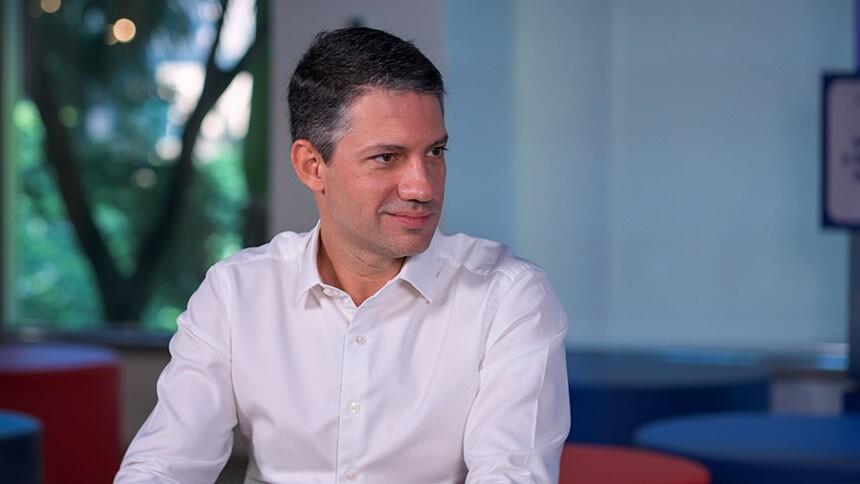

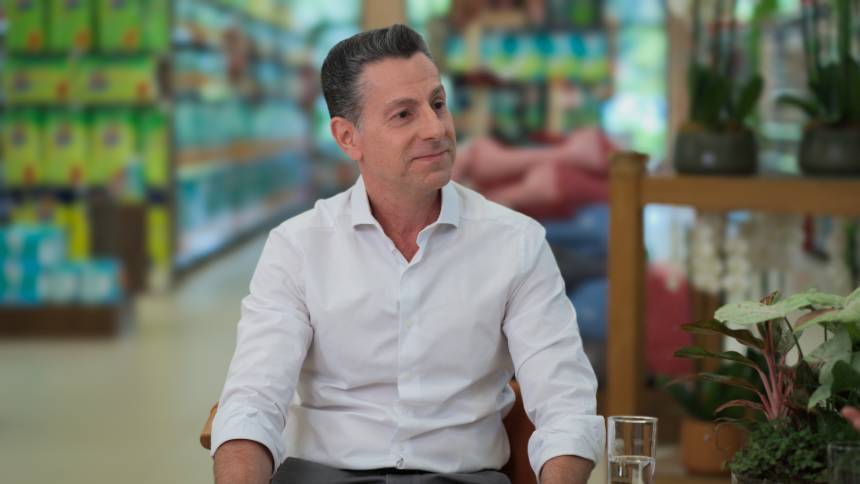

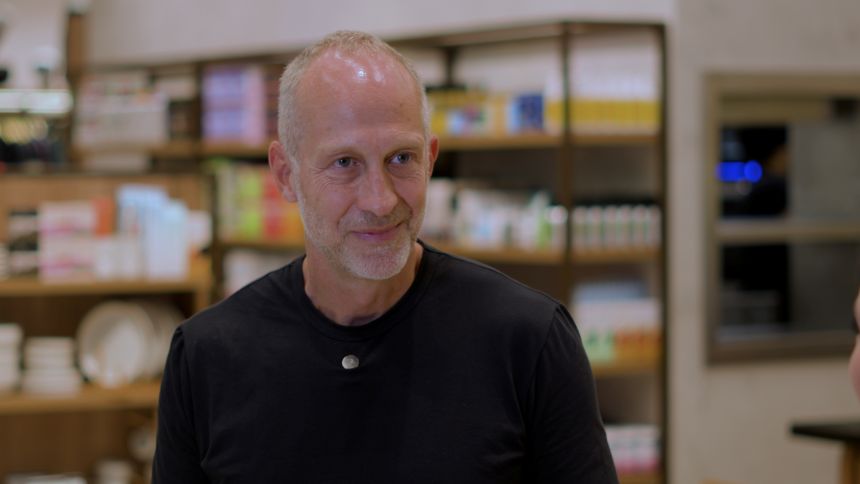
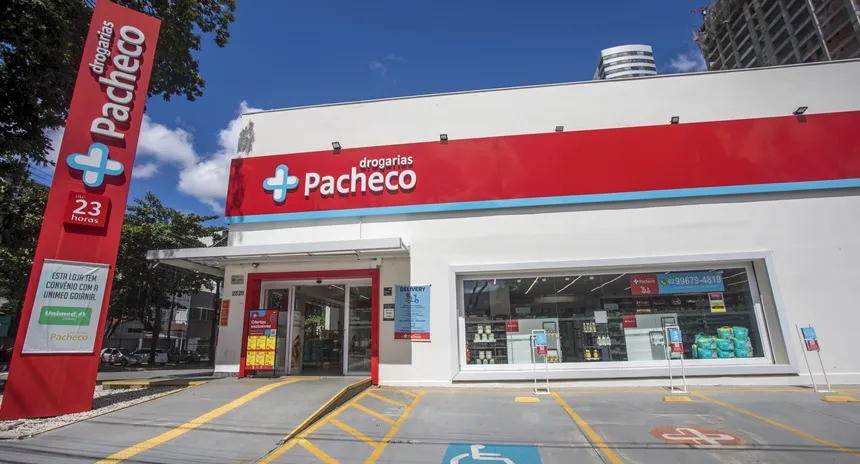

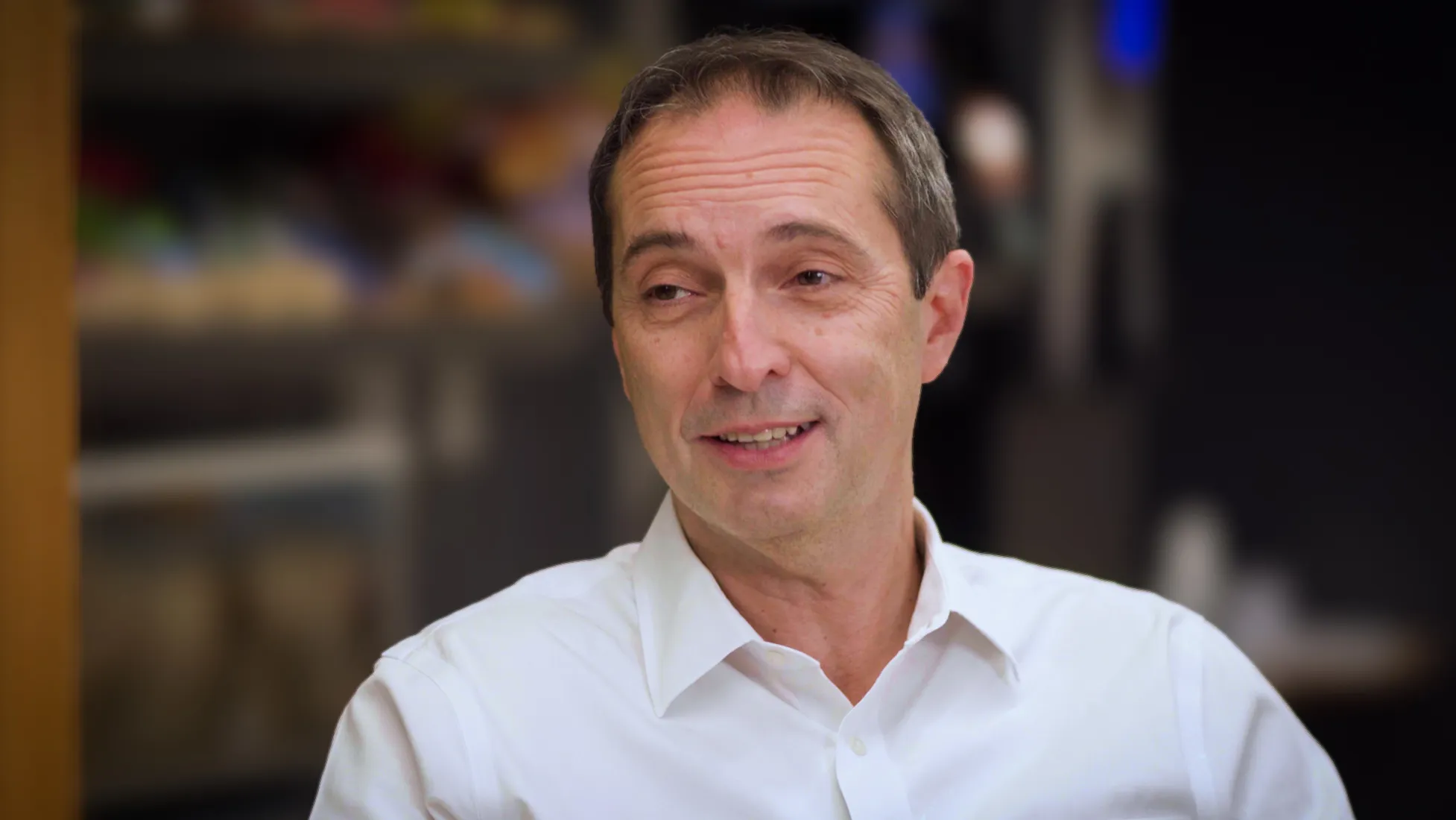


Paulo Nassar spent over 40 years at the helm of Cobasi, managing in a style typical of an owner, embodying the saying "the owner's eye fattens the ox." Now, he faces the challenge of leading a publicly traded group, born from the merger with Petz, with approximately R$ 8 billion in revenue and over 500 stores. In this new phase, in addition to delegating more, he wants to double down on digital marketing.
The movement gains even more weight because the flow of people in stores this year tends to be lower. According to the executive, events such as the World Cup and elections usually directly affect retail.
"We're going to have to stop, close the stores, and after the games, nobody will go out shopping anymore," he stated in an interview with Call de Negócios, a NeoFeed program in partnership with CNN Brasil, broadcast monthly on CNN Money.
According to Nassar, more than 40% of sales for both chains already come from online channels, in an operation that integrates e-commerce and physical stores.
The model combines in-store pickup, same-day delivery, and more aggressive convenience initiatives, with deliveries that can take up to 1 hour in some regions. "We intend to grow revenue and double down on our investment in digital sales," said the CEO.
With approximately 10% market share and less than 1% of the sector's stores, Petz Cobasi's biggest competition is not a large player, but rather thousands of small retailers who emotionally cut prices to avoid losing customers and use marketplaces to sell.
Even though he's securing better prices from suppliers thanks to the economies of scale resulting from the merger, Nassar doesn't intend to significantly squeeze margins to avoid targeting smaller businesses.
"The customer wants to enter a store, find what they are looking for, and receive good service. Price is the third item," said Nassar, who also believes he serves as a benchmark for pricing by other players.
In addition to a wider assortment, the group is betting on offering services to win the preference of pet owners. Today, the company brings together hundreds of grooming centers for bathing and trimming — which should be scaled through the franchise model —, veterinary clinics and 24-hour hospitals, forming an ecosystem that increases repeat business.
After growing at rates of up to 30% during the pandemic, the pet market entered a slowdown cycle. Even so, the company remains optimistic. The expectation is to increase revenue, maintain network expansion, and capture operational gains through integration.
"We should end the year with basically around 515 stores," said Nassar, considering the opening of new units and the sale of locations required by the Administrative Council for Economic Defense (Cade).
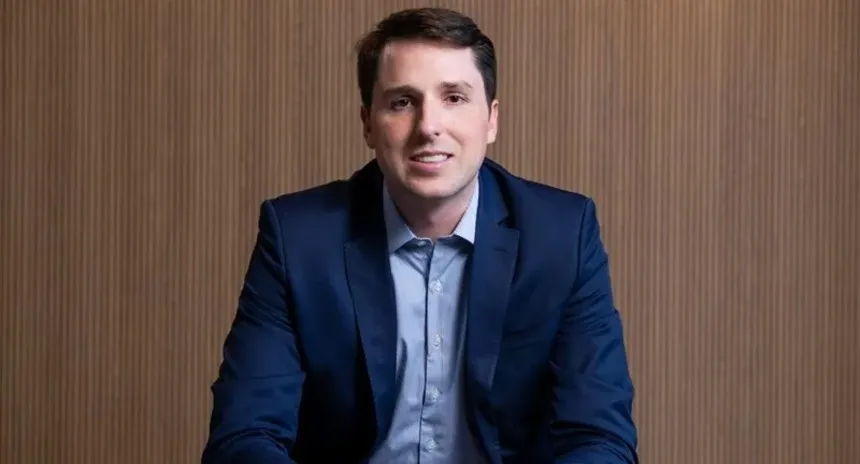
According to Lucas Esteves, head of retail at Santander, the advancement of digital should already begin to appear in the results, while the synergies from the merger will materialize over time.
“Value capture should happen over time, with sequential margin gains,” he assessed. “In the first quarter alone, we expect low double-digit revenue growth, largely driven by digital channels.”
Meanwhile, the merger still reveals friction points typical of large integrations. The loyalty programs of the two networks remain separate, with no defined timeframe for unification, and the private label brands will continue to coexist, even though they will be sold under both banners.


