


Initial public offerings (IPOs) and follow-on offerings are expected to return more strongly this year, but nothing like 2021. Expectations are around R$ 25 billion.
The confirmation of PicPay's IPO , scheduled to take place on January 29th on Nasdaq, has sparked hope among Brazilian companies that a window of opportunity may be opening in the capital markets.
As one market veteran told NeoFeed , it all depends on the point of view. The window, it seems, is ajar.
While 2025 was a virtually zero year for IPOs and follow-on offerings, the beginning of 2026 suggests that things will be different with regard to capital market activity.
"It should generate something in the range of R$ 25 billion this year," an investment banker told the reporter.
The market is awaiting follow-on offerings from companies such as Pague Menos , Copasa, Tenda, Moura Dubeux, Banco Pine and, according to NeoFeed , Riachuelo .
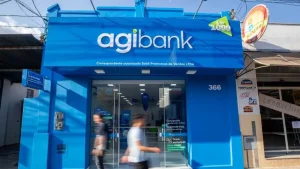
In addition to PicPay, which has just been confirmed, companies like Agibank, Abra, You.Inc, BRK Ambiental, and Aegea are expected to follow the same path in the IPO market.
It's nothing compared to 2021, when there were 45 IPOs and 26 follow-ons, totaling R$ 126.9 billion, but it's already a considerable improvement compared to the stagnation of 2025, when the market only moved R$ 5 billion in follow-ons.
Another encouraging sign is that large bond issuances from Brazilian companies are expected in the first half of the year. "The big banks should be among those issuing bonds," says another market professional.
In this case, an additional US$10 billion would be moved. It's not a huge window of opportunity, but the light is starting to appear.
The explanation for this is that foreign investors will continue buying Brazilian assets in 2026, many companies with fund investments need to renew their cap table, the Ibovespa (Brazilian stock market index) is expected to continue appreciating, and interest rates are expected to start falling.
All that's left is to reach an agreement with Donald Trump – which is the most difficult part – for him to bring some stability to the global scene.