


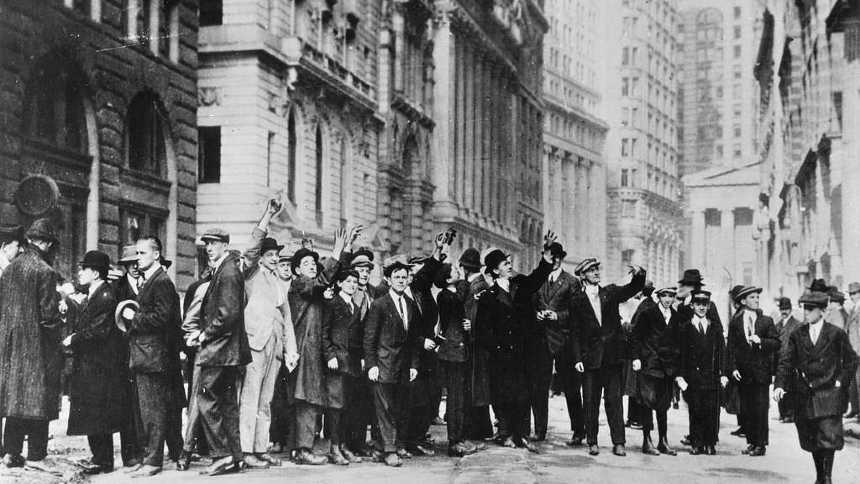
It was a little after 5:30 p.m. on Monday, October 28, 1929. Hours earlier, the stock market had closed with a precipitous 13% drop, after a week of turmoil—by far the biggest fall up to that point. The already dark streets of downtown New York teemed with fedora-wearing brokers, messengers, and telephone operators, all whispering about the collapse.
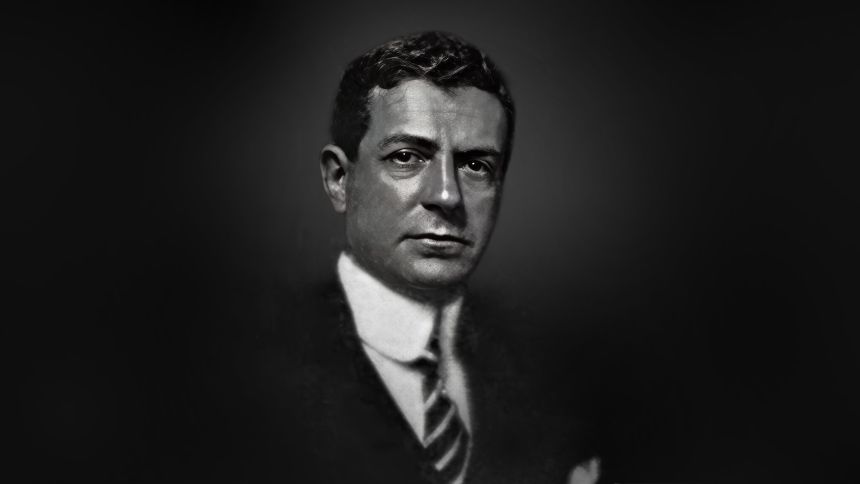
What had caused the collapse? How far would it go the next day? Would the markets open? At that moment, Charles Mitchell, president of National City Bank (formerly Citibank), climbed the steps of 55 Wall Street, determined to display his usual confidence. It had been a devastating afternoon, and he knew the market was watching his every move.
From the operators to his secretary, everyone examined his step and his face, searching for signs in every gesture. Dressed in a gray suit and with his shoulders straight, he maintained a smile as he crossed the bank's glass-domed hall. At 52, athletic and optimistic, nicknamed " Sunshine Charlie " by the press, he had spent the afternoon in emergency meetings at the Federal Reserve Bank of New York, trying to contain the panic.
It was the kind of moment a self-proclaimed "Great Man" like Mitchell believed he was prepared for, with the experience, stature, and nerves of steel to lead Wall Street through difficult times. This time, however, it would be different and tragic. A single man could not prevent the tragedy from unfolding. And it would come the next day.
This is how 1929: Inside the Greatest Crash in Wall Street History — and How It Shattered a Nation , by award-winning journalist Andrew Ross Sorkin, begins. It has no release date yet for Brazil and topped The New York Times bestseller list at the end of last year.
One of Barack Obama's favorite books of 2025 was chosen as one of the best releases of 2025 by The Washington Post , TIME , The Economist , Air Mail , Bloomberg, Fast Company , Katie Couric Media, and History . All this because it tells, in a cinematic style, a story that everyone seemed to know. Not quite, though.
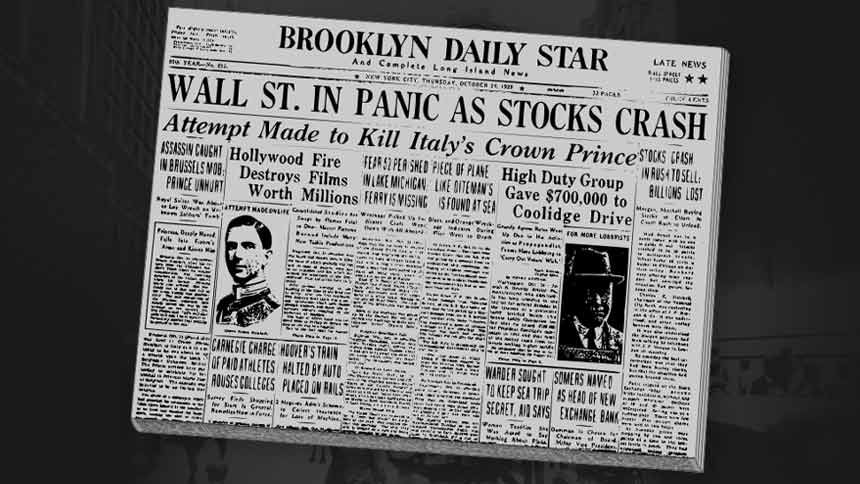
Almost a century has passed since the 1929 crash , and it remains the most significant and widely misunderstood financial disaster in modern history. While books written since then offer a more technical overview of what occurred, few know the individuals who played central roles in this drama, what they did to precipitate the crisis, why they failed to see it coming, and what measures they took to try to end it.
Nor do they realize what is most important: the remarkable parallels between that era and the current political and economic climate. To understand what happened, first, it is necessary to understand the broader context: the 1920s witnessed the birth of the modern consumer economy. As millions left farms and small towns for the metropolises, they created markets for new amenities: cars, radios, and washing machines—products that made life easier and more pleasant.
The greatest product, the one that made all others possible, however, was credit. “Buy now, pay later” became the rule. In 1919, General Motors broke the taboo against personal loans by selling vehicles on credit. Sears, Roebuck & Co. began offering installment plans. Banks mechanized the process for small merchants, and Wall Street moved into “marginal” stocks.
Thousands opened accounts paying 10% or 20% of the value and borrowed the rest. With the market booming, the gains seemed like free money, and saving no longer seemed necessary. This situation only grew and became more complicated throughout the decade, until October 19, 1929, the fateful day.
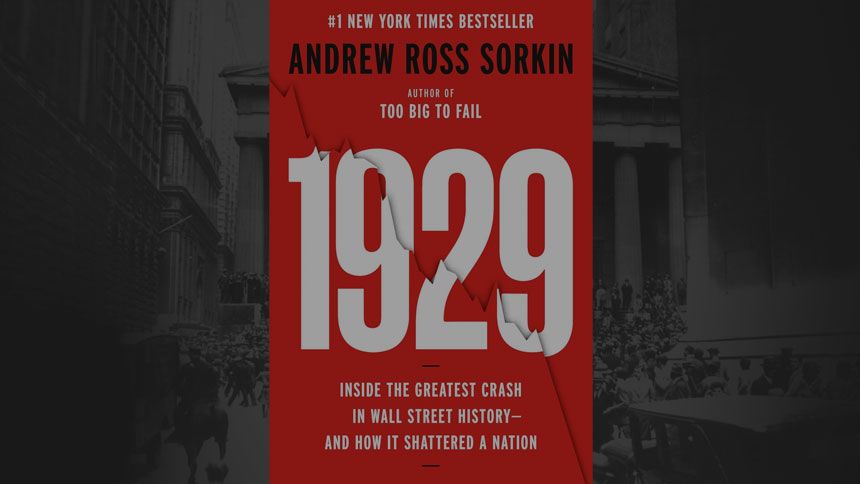
Based on previously unpublished documents, private diaries, and federal archives, Sorkin reconstructs what happened and who the key players were: bankers, speculators, politicians, and regulators, and how their decisions shaped events. "After writing Too Big to Fail , about the 2008 crisis, I wanted to explore the most infamous collapse in history with the same level of depth and human emotion," he explains in the introduction.
His nearly 600-page book is the result of more than eight years of reporting and thousands of hours of research, based on letters, memos, minutes, testimonies, and court records, some never before examined. “Each scene was assembled from fragments that, detail by detail, composed the final picture. By understanding the motivations and trajectories of the protagonists, one understands how the calamity took shape,” he adds.
This is the strength of his work. The author defines it not only as a story about who bore the consequences, but about who helped set it in motion, where the responsibility and the lessons lie. What emerged from this work, he writes, challenged his own assumptions. To this end, he brings to life audacious bankers, ambitious policymakers, and ordinary investors.
Among them are Mitchell, the aforementioned advocate of credit expansion that fueled the bubble; Jesse Livermore, the speculator who profited by betting against the market but lost everything afterward; Thomas W. Lamont, a partner at JP Morgan & Co., who attempted to coordinate the major banks to contain the panic; Herbert Hoover, the US president at the start of the crisis, who proved incapable of preventing the collapse and subsequent depression; and Senator Carter Glass, a critic of speculation and advocate of regulatory reforms.
The book's portrayal of the crash is human and analytical, according to Sorkin, revealing the combination of optimism, arrogance, and regulatory failures that led the country to economic chaos for over a decade. His narrative follows the meteoric rise and fall of stock prices, as well as the private decisions and conversations that shaped the fate of millions worldwide.
As relevant as what happened is the examination of the consequences of the crash . The author shows how the failures of 1929 provoked profound changes in regulation, the banking system, and government supervision. He goes further to narrate the reforms that sought to contain excesses and restore public confidence, as well as the social transformation that followed.
In parallel, the author offers a reflection of lasting relevance. The cycles of speculation, the dangers of financial euphoria, and the temptation to believe that "this time it's different" continue to resonate, he writes. Sorkin invites the reader to recognize, without forced comparisons, the warning signs of excessive optimism and systemic vulnerability that led, for example, to the 2008 crisis.
NOTE: In mid-March, the publisher Companhia das Letras announced the book's release in Brazil. The expected date is June 30th.