

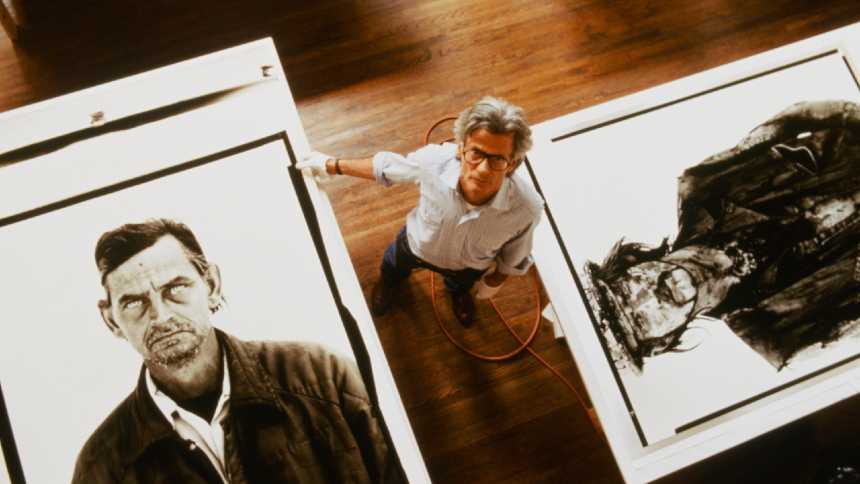
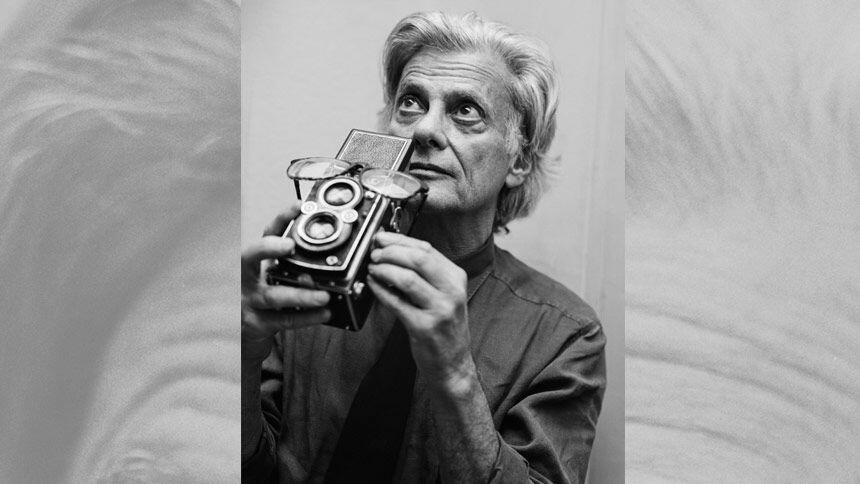
Cannes — What makes a photograph go down in history? “It’s always the mind behind the camera,” Richard Avedon (1923-2004) used to answer. Celebrated in the documentary Avedon , the American became known for revolutionizing fashion photography and “unmasking” the celebrities captured by his lens, such as Marilyn Monroe , with a sad expression.
One of the attractions of this 79th edition of the Cannes Film Festival , which will end this Saturday, May 23rd, the film revisits who Avedon was and what his main contributions were, one of the most influential photographers of the 20th century. Exploring Avedon's legacy is filmmaker Ron Howard, winner of two Academy Awards: Best Picture (as producer) and Best Director, for A Beautiful Mind (2001).
Born in New York, Avedon made his mark on the fashion world by introducing movement and spontaneity, as well as telling a story with each photograph—unlike the static and monotonous images taken in studios. To escape the more rigid and lifeless representation, he preferred to take models to the streets, nightclubs, beaches, and other unusual locations for the time.
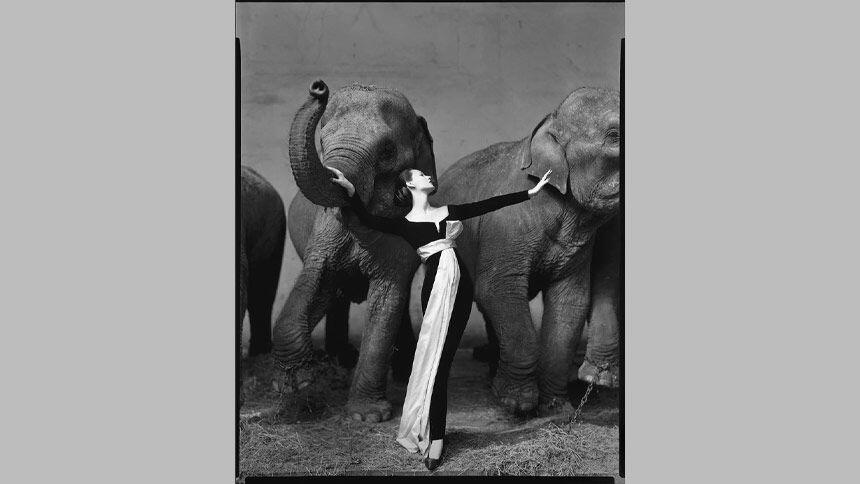
One of her most iconic fashion images, establishing fashion photography as an artistic expression, was Dovima with Elephants , taken in 1955 and originally published in Harper's Bazaar magazine. Here, the famous model Dovima, wearing a Dior evening gown, poses with two elephants, making her slender and elegant figure contrast with the monumental form of the animals.
“Photography is the marriage of imagination and the reality of the situation,” says Avedon, in one of the archival testimonies in the documentary. Screened in the Séances Spéciales section at Cannes , out of competition, the film is constructed from the photographer's personal archive, including previously unseen images, behind-the-scenes footage, and interviews with personalities, collaborators, and heirs, such as his son, John Avedon.
“Before social media, we were influenced by magazines. We understood visual culture as what we saw in the pages of Harper's Bazaar and Vogue , for example. And the person responsible for them was Richard Avedon,” says James Martin, executive director of The Richard Avedon Foundation.
In addition to defining, through his vision, what constituted a stylish image, Avedon also helped to establish the course of modern photography. He carried out social and political work, photographing disfigured survivors of the Vietnam War and patients in psychiatric hospitals in the United States.
Before his camera passed the most important personalities of the 20th century, especially politicians and celebrities with the most unexpected expressions. Among others, he photographed Buster Keaton, Andy Warhol ,Brigitte Bardot , Samuel Beckett , J. Robert Oppenheimer, Henry Kissinger , Bob Dylan , Chet Baker , George Bush , Truman Capote , and Janis Joplin.
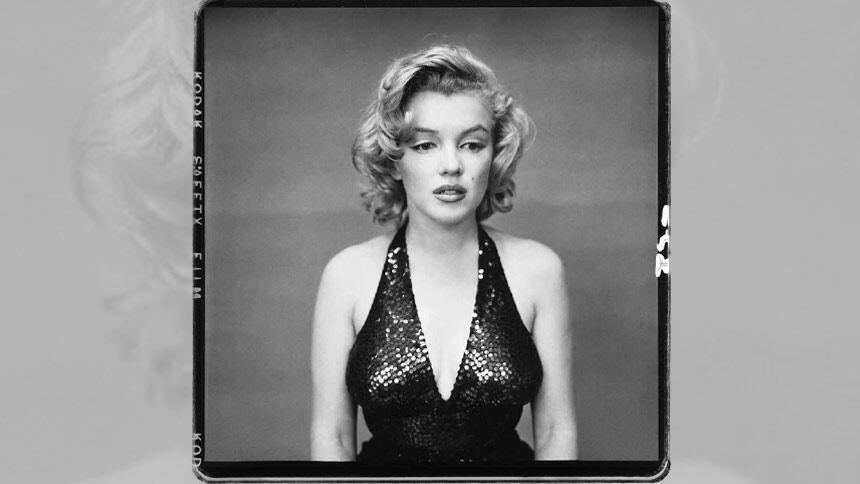
The portrait of a melancholic Monroe, taken in 1957, is one of the most emblematic, in the sense of "unmasking" the photographed subject. The portrait was produced for the promotion of the film The Prince and the Showgirl . But it's as if Avedon had captured here what was still invisible in the life of a star. Almost five years later, she would die prematurely and tragically, at the age of 36, from a drug overdose.
“In the official images, you see Marilyn dancing, happy,” says Martin, recalling that there was a lot of champagne and music at the photo shoot. “But, at the end of the day, when everyone was exhausted, Avedon approached her and took the photograph he wanted. And what you see is Norma Jeane, the person behind the myth.”
Adam Gopnik, one of the writers for The New Yorker magazine, for which Avedon also photographed, comments that "nothing was accidental" in his work. "Marilyn stopped being Marilyn for only 15 seconds. That's because it was an effort to be Marilyn. And Avedon saw that, which touched him because it was exactly the kind of photographic contradiction he loved," says Gopnik in his testimony.
“We all want to look good in photographs, which consequently makes us feel good in our own skin. But that wasn’t what Avedon was looking for,” says his son, John Avedon. “He was seeking something deeper, an explosive moment, something along the lines of public image versus reality. He was obsessed with that his whole life.”
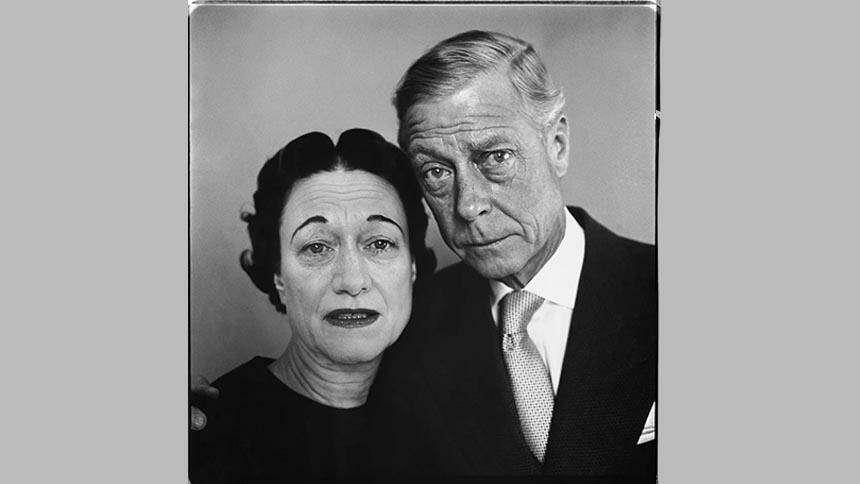
The photographer himself illustrates this intention in one of his archival testimonies. In this case, recalling the portrait he took of the Duke and Duchess of Windsor in a New York hotel room in 1957. As the couple always insisted on smiling in photos, projecting a happy image, Avedon needed to use a subterfuge.
“Since I couldn’t break through that public image barrier, I became desperate. Knowing they loved dogs, I said I was late because my taxi had run over a dog. Only then did the smile give way to an almost horrified expression,” recalls the photographer, noting that the pair obviously didn’t like the result. And Avedon adds, laughing: “But it’s a moving photograph, considering how fascist and anti-Semitic they were.”