

Paris — “When in Rome, do as the Romans do.” Saint Ambrose’s advice to Saint Augustine in the 4th century has stood the test of time as a simple reminder of adaptation: understanding local customs is the best way to belong to a place, even if only temporarily.
Now, in an era marked by the sanitized sophistication of luxury tourism, the idea takes on a new meaning. More than just visiting a city, high-end travelers want to experience it as if they truly lived there. And it is precisely within this logic that the French company Highstay built its hospitality model: exquisitely designed apartments in emblematic locations, combined with premium services. After all, when in Paris , do as the Parisians do—be millionaires.
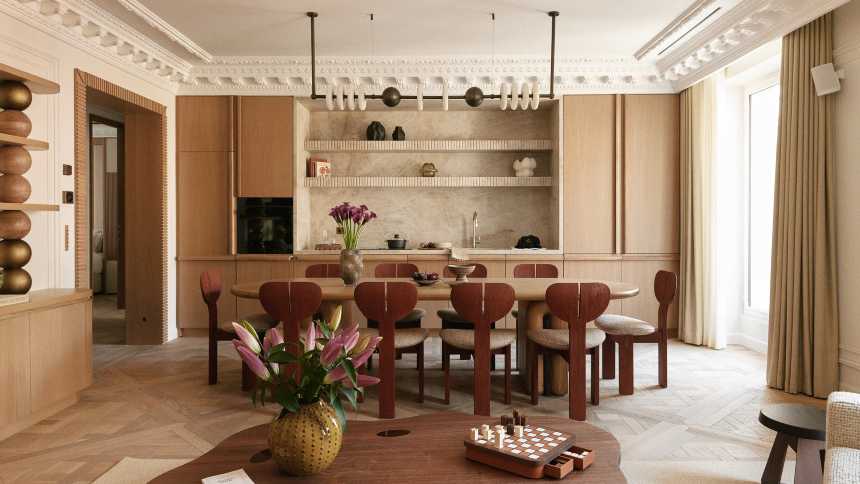
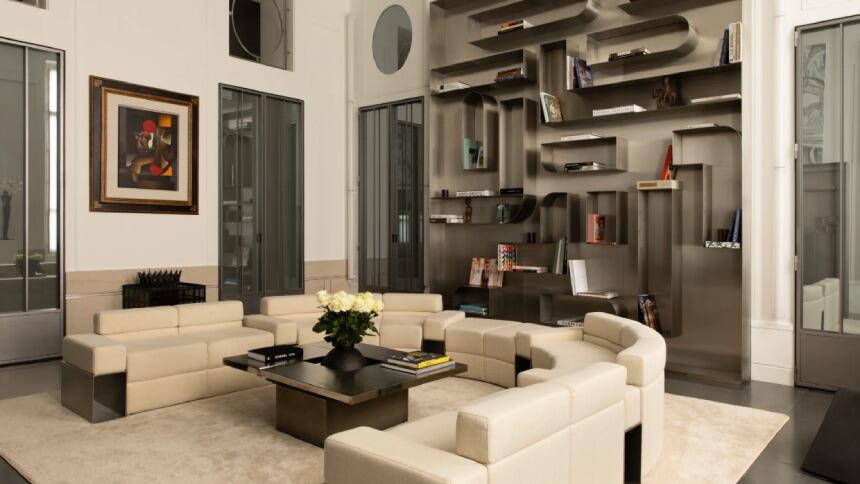
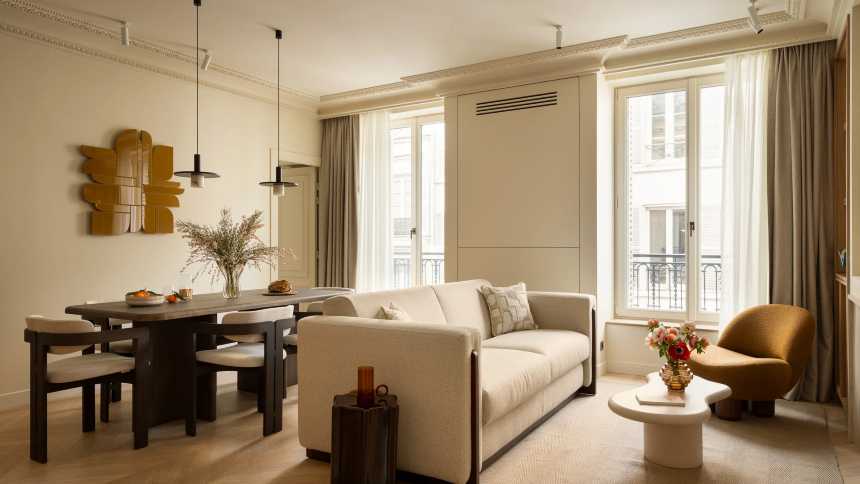
The brand's 86 apartments are scattered throughout some of the most refined and culturally rich areas of the French capital. These include neighborhoods such as Saint-Germain-des-Prés and Le Marais, and areas like Place Vendôme, the Champs-Élysées, and the Louvre . The Parisian " art de vivre ," of course, comes at a price.
In Highstay's smaller units, daily rates start at €350 (just over R$3,000), but in some larger and more exclusive properties, they exceed €2,000 (around R$11,600) per day. For example, the Berri II duplex, in the so-called "Golden Triangle," with 180 square meters, three bedrooms, a private gym, and a terrace, costs no less than €2,800.
Highstay replicates common practices from the high-end hotel industry. The company's hospitality team was recruited from some of the most prestigious hotels. Services such as 24-hour concierge and daily housekeeping are included in the daily rate.
Additional services include personalized experiences such as private museum visits, wellness treatments, and activities related to French culture, like a perfumery class. All services are booked separately and arranged via WhatsApp.
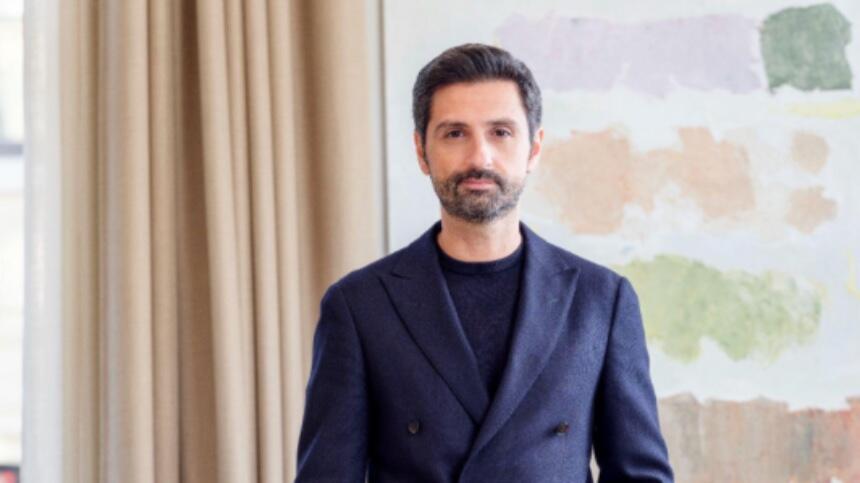
“What sets us apart is the feeling of experiencing Paris instead of simply staying in the city,” says Michael Dayan, co-founder of Highstay, in an interview with NeoFeed .
“Many of our clients are already accustomed to luxury hotels, but today they aspire to a more intimate and residential experience, especially for family or extended stays,” he adds.
The company started by operating individual apartments scattered throughout the city. But the strategy evolved, and today Highstay also buys and develops entire buildings, known as Highstay Maisons .
One of the most recent is the La Boétie residence, in an area of the 8th arrondissement where some of the city's best restaurants, galleries, and haute couture boutiques are concentrated. The property is still located in a Haussmannian building—the late 19th-century architectural style typical of the French capital.
Complex businesses
Moreover, the history of the buildings is one of the criteria for choosing the apartments, along with their harmony with the neighborhood's lifestyle, explains Dayan. Charm matters, but never at the expense of guest comfort. All Highstay addresses, for example, are in buildings with elevators.
It may seem obvious for high-end accommodations, but in Paris, an elevator is almost a "luxury item." Many of the buildings were constructed in the 19th and early 20th centuries, during the great urban reform led by Baron Georges-Eugène Haussmann under the reign of Napoleon III. Typically, Parisian buildings are served by steep, seemingly endless staircases.
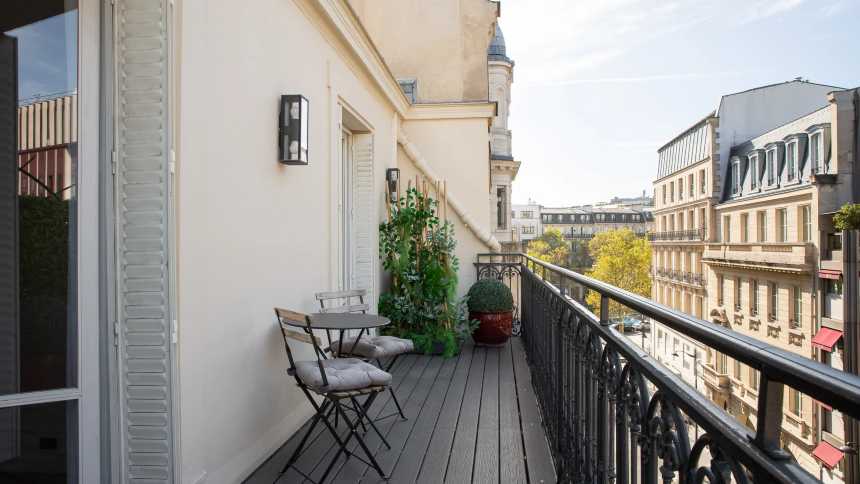
Despite the vintage glamour, sustaining a business model based on the commercial exploitation of real estate in the city is not easy due to strict regulatory and heritage restrictions. The preservation of architectural heritage imposes limits on renovations and adaptations, making the operation more complex and costly.
In Paris, in many cases, the transformation of residential properties into tourist or commercial units requires compensation for the loss of residential area in the city — a mechanism created to preserve the housing stock and limit the indiscriminate conversion of apartments into short-term accommodation.
Amid the growing tension between the housing crisis in major European capitals and the proliferation of platforms like Airbnb and similar services, companies such as Highstay and its competitors are now operating in a particularly sensitive regulatory and political landscape.
Today, the company owns the majority of its assets. But it also has a curation arm, with about ten apartments operated by third parties — properties that maintain the same high standard of service and infrastructure.
Among them is the former office of Karl Lagerfeld (1933-2019), the creative director of Chanel. Located in the Saint-Germain-des-Prés district, the space has been transformed into a 250-square-meter guesthouse for four guests, with daily rates starting at €1,600.
Long-term stays
While targeting high-income clients, Highstay is also trying to capture another segment of the hospitality industry: long-term stays. The concept emerged as a natural evolution of the business, explains Dayan.
This model has been used for a long time by large hotel chains. Just remember that Coco Chanel lived at the Ritz Paris , Audrey Hepburn at the Bürgenstock Resort Lake in Switzerland, and Bob Dylan at the Chelsea Hotel in New York.
The experience is less like living in a hotel and more like owning your own apartment in a typical Parisian neighborhood. Without dealing with all the bureaucracy involved in renting a home in the French capital. Prices start at €6,500 per month for a 45-square-meter apartment near the Champs-Élysées, with daily cleaning service included.
For comparison, furnished apartments of the same size in the same 8th arrondissement start at €3,000 on traditional rental platforms like SeLoger.
“The hospitality industry is constantly evolving, and there is always room for improvement, refinement, and innovation,” says Dayan. Another evolution is Highstay's expansion beyond the borders not only of Paris, but of France as a whole.
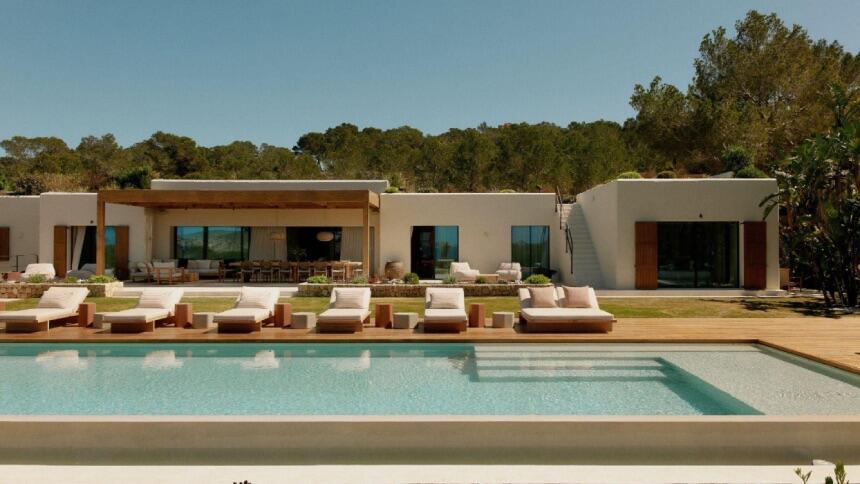
Currently, the company already operates two private villas in Saint-Tropez, on the French Riviera, and in Ibiza, in the Spanish archipelago of the Balearic Islands.
"Our priority remains preserving the high level of service and experience before accelerating internationally," says the co-founder.
As for the clientele, they are already quite international, with growing demand from Brazil. To attract even more Brazilian customers to its locations in Europe, Highstay has a sales executive based in São Paulo.
In the contemporary landscape of high-end hospitality, privilege lies not only in visiting the world, but in inhabiting it naturally.