


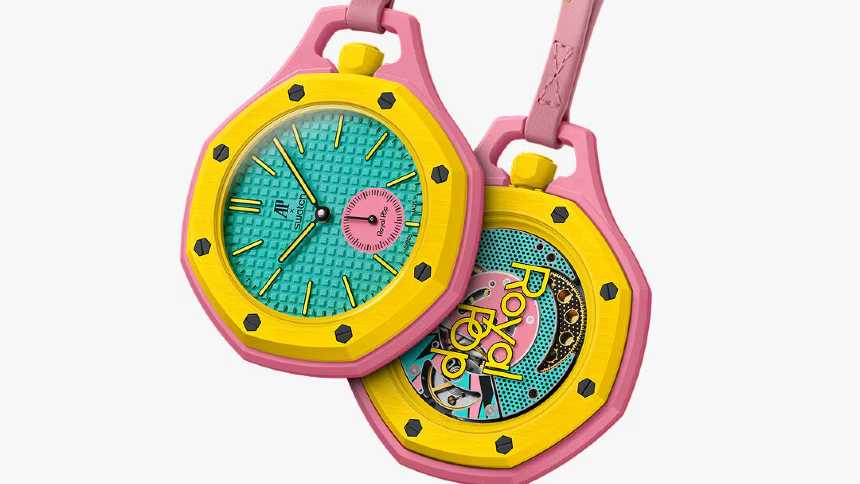
The frenzy surrounding the partnership between Audemars Piguet (AP) and Swatch was never just about watches. From Paris to Dubai, from London to New York, from Berlin to Riyadh, lines began forming almost a week before the launch of the Royal Pop collection—even before images of the models had been released.
Ultimately, the appearance of the timepieces matters little compared to what they symbolize: the rare opportunity to tell the time on an AP watch, one of the most exclusive houses in Swiss haute horlogerie. It's less about time itself and more about the feeling of belonging to a universe traditionally reserved for a select few.
So, on Saturday the 16th, as select Swatch stores opened around the world, the riots multiplied—a domino effect, one after another. In Paris, police had to use tear gas to disperse around 300 people. In Berlin, police resorted to using dogs. In the United Kingdom, the company suspended sales in seven cities, including London.
Throughout Saturday, a flood of videos took over social media . Pushing, shoving, fighting, and invasions. Everything became even more tense with the news that, to prevent mass resale, only one watch per person would be allowed to be purchased per day.
“To ensure the safety of our customers and employees, we kindly request that you do not visit our stores in large numbers to purchase this product,” reads a statement from Swatch on its social media. “The Royal Pop collection will remain available for several months.” Obviously, it didn't help. Selling the watches online might have helped alleviate the pressure on physical stores.
On Wednesday, May 13, when the collection was finally revealed, Ilaria Resta, CEO of AP, said in an interview with EuroNews : “This is a unique collaboration with a singular ambition: to awaken collective desire.”
Given the chaos, the question remains: do the top executives of both companies consider war zones scattered across various parts of the planet an effective marketing strategy?
It's hard to believe. The lack of control could compromise the image of both AP and Swatch. The biggest risk, however, is for the fashion house . In more than a century of history, it has made a point of remaining reserved, in the best quiet luxury style.
Clocks in the trash
Their clients aren't used to the commotion. So much so that some made a point of going to social media to express their dissatisfaction with AP's conduct, throwing (or pretending to throw) their million-dollar watches in the trash.
Some analysts believe that associating AP's ultraluxe design with a mass-produced bioceramic Swatch product could dilute the watchmaker's status. After Saturday's debacle, the risk must have increased.
The disruption caused by Royal Pop's arrival on the market is due to a partnership that, until a few weeks ago, seemed improbable—if not impossible. On one side, the very traditional AP, with its limited productions, handcrafted work, and hyper-complicated mechanisms. On the other, the democratic Swatch, with its accessible prices and vibrant colors.
Founded in 1875 in the village of Le Brassus, in the canton of Vaud, AP is one of the few watchmaking houses to remain independent. It has always been careful to distance itself from luxury conglomerates and partnerships—although invitations have not been lacking.
The idea of seeing the Royal Oak, AP's most iconic model, reinterpreted by a popular brand therefore seemed to subvert the manufacturer's logic.
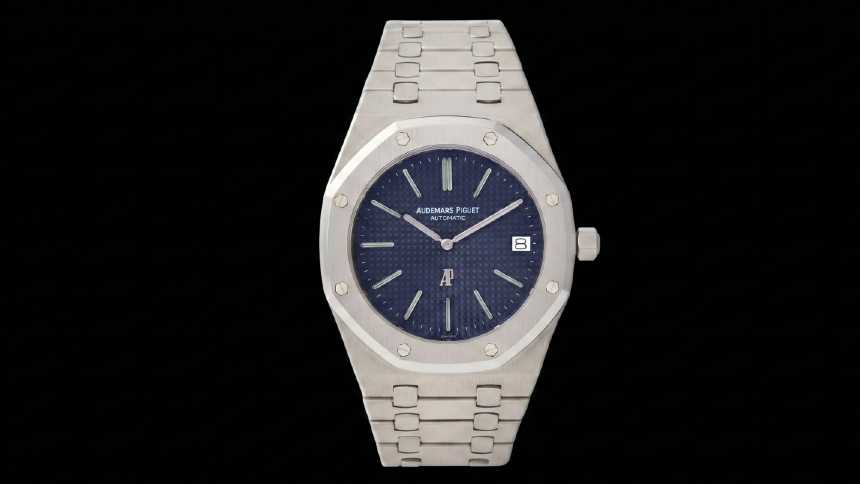
Launched in 1972, the piece was created by Swiss designer Gérald Genta (1931–2011), responsible for some of the world's most coveted watches, such as the Patek Philippe Nautilus, the Cartier Pasha, and the IWC Ingenieur.
And it was in just one night—a night of insomnia—that he conceived the model that would revolutionize the watchmaking industry.
The Royal Oak was the first luxury watch to use stainless steel instead of gold and platinum. Inspired by the portholes of warships, the designer invented the octagonal case with eight exposed screws. He also developed the " petite tapisserie " dial, composed of a delicate pattern of tiny embossed squares, hand-engraved.
Not surprisingly, depending on the materials, the level of sophistication of the complications, and the size, a Royal Oak can cost up to €150,000.
The " plot twist "
After the initial shock caused by the announcement of the AP x Swatch partnership, everyone imagined that the collaboration would follow the MoonSwatch formula. In 2022, Swatch and Omega joined forces in the first major encounter between the pop universe of accessible watchmaking and the high-end segment.
The humorous version of the Speedmaster Moonwatch, sold for a few hundred euros, caused a stir, became a global sensation, and sold around 2 million units. It seemed natural to assume, therefore, that the same would happen with the Royal Oak: a playful reinterpretation of a legend of fine watchmaking.
For days, the internet treated the hypothesis almost as a certainty. Digital mockups created by fans and images generated by artificial intelligence attempted to predict what Gérald Genta's design would look like from the perspective of the irreverent Swatch.
When the eight Royal Pop models were finally revealed, something unexpected happened — the " plot twist " of the collaboration, as some experts would define it.

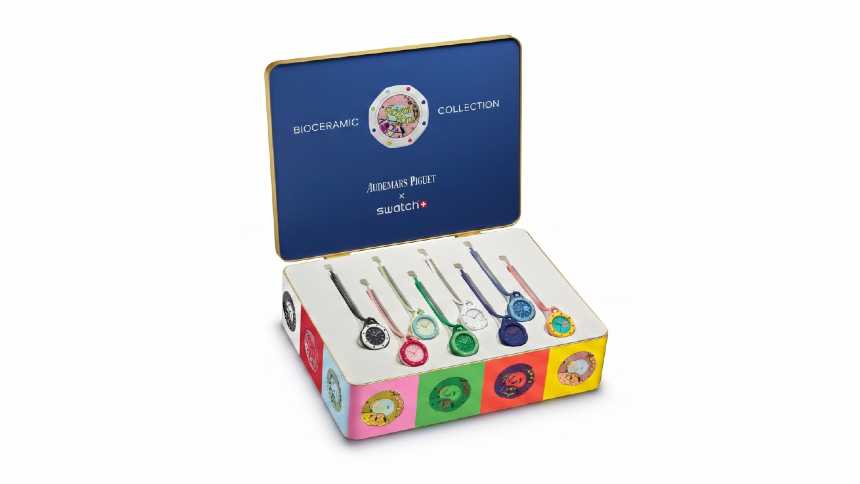
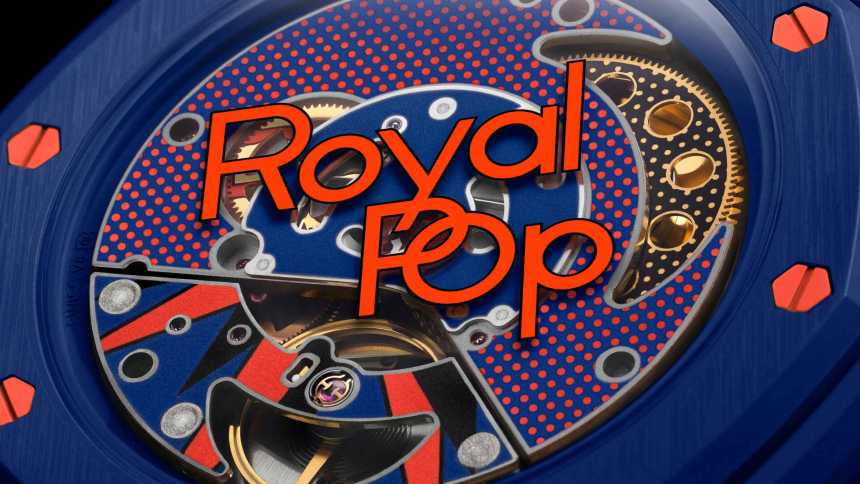
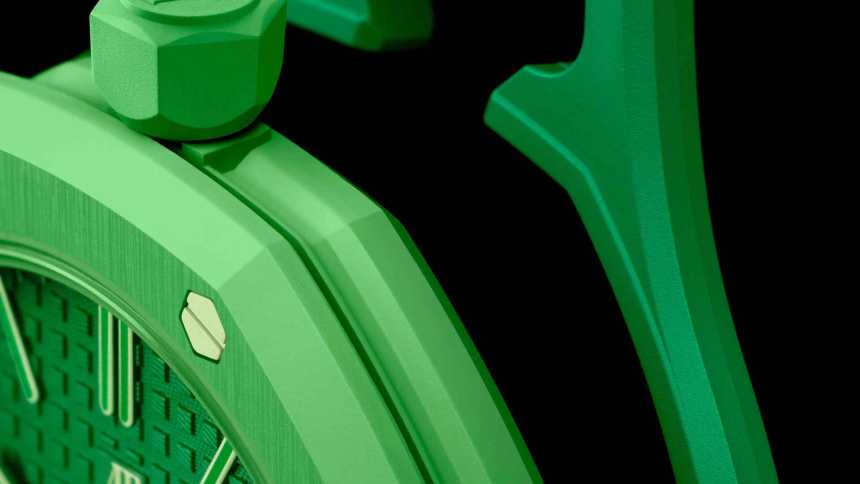
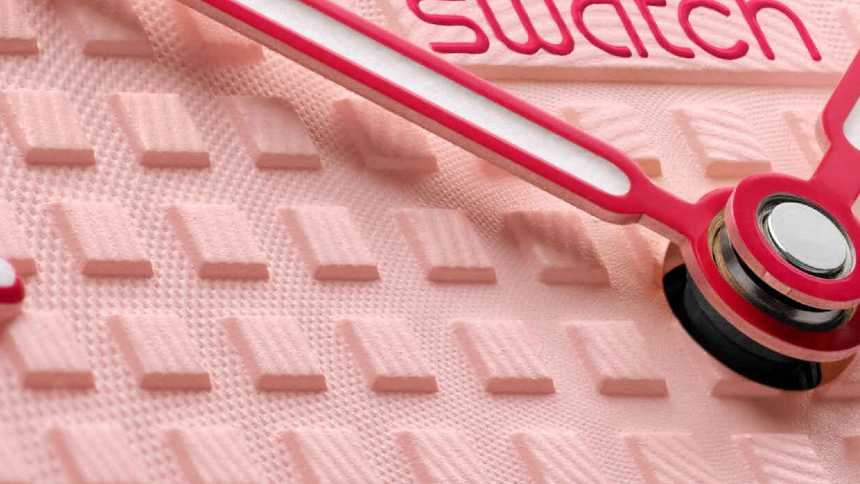
The most recognizable elements of both brands are all there: the relatively low prices (€385 and €400), the colorfulness and the popular appeal of Swatch; the octagonal case, the eight visible screws and the " petite tapisserie " of AP.
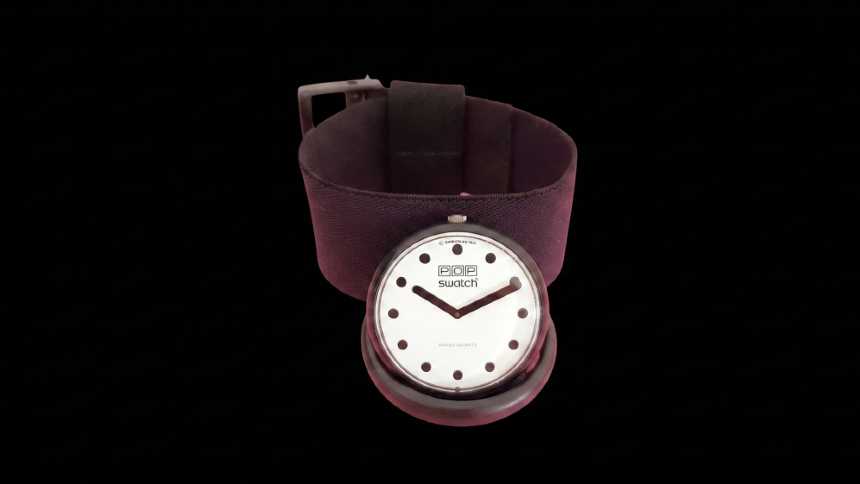
But while everyone was envisioning a wristwatch like the Royal Oak, Royal Pop came up with a pocket watch — a piece that can also be used as a necklace, bag charm, or cell phone trinket.
Furthermore, as the collection was also inspired by the POP line, introduced by Swatch in the 1980s, the new pieces are detachable. In other words, it's possible to combine the case of one model with the structures and cords of another.
The accessories are sold separately for €45, are available online, and a maximum of three cords can be purchased per customer per day.
It is the popular operating one of the most elementary principles of luxury: fostering scarcity to awaken desire. In this movement, the sale transforms into a cultural event and the watch ceases to be just a watch, becoming symbolic capital—of distinction and status.
Royal Pop appropriates the visual codes of Royal Oak without, however, copying them. By using them only as an aesthetic reference and not as a direct reproduction, the La Brassus house gets the strategy right.
Limited partnership
The partnership is carefully managed — keeping the boundaries between the brands very well defined. By focusing on pocket watches, the company avoids potential cannibalization of the original product. At the same time, it presents a unique proposition to the market.
In short, the maison is expanding its presence and engaging with younger consumers without jeopardizing the prestige it has built over the past 151 years.
Another symbolic detail of the collaboration: AP has pledged to allocate all revenue from the newly launched line to initiatives preserving watchmaking expertise , reaffirming its commitment to high-standard manufacturing.
For Swatch, the collaboration goes beyond commercial success. After the MoonSwatch phenomenon and, by all indications, the success of Royal Pop, the brand establishes itself as one of the rare companies in the sector capable of transforming a watch into an object of mass desire.
The collection reinforces precisely this role: that of translating the sophisticated codes of the La Brassus manufacturer into a far-reaching, youthful, and viral language.
To those still surprised that AP agreed to be translated, CEO Resta said:
"Why this collaboration? For the joy and boldness it represents. Because audacity is often the starting point for innovation and new ideas. And because it invites a wider audience, including younger generations, to discover mechanical watchmaking in a different way."
It would have been perfect, if it weren't for Saturday's global chaos.