

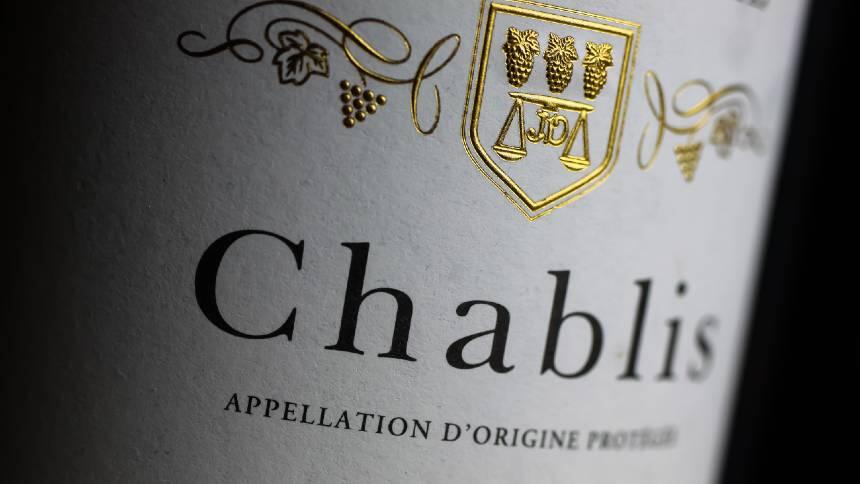
It is light, slightly tart, and has a mineral quality in its aroma and flavor. It is considered the perfect pairing for oysters, but also goes well with fish and other seafood. Chablis is its name and that of the French village around which it is produced—a sub-appellation of Burgundy .
Like virtually all white wines from the region, it's a pure Chardonnay, but very different from the others. It's been known for a long time, but recently it has gained prominence in markets around the world; almost as if it were something new. In Brazil, more than anywhere else, it has become an object of desire.
From 2024 to 2025, Chablis imports to Brazil grew by 62%, according to data from Ideal BI, a market intelligence company focused on wines and sparkling wines. "The value of the business went from US$2.9 million to US$4.7 million," says Felipe Galtaroça, CEO of the consultancy, in an interview with NeoFeed . In volume, the increase was from 25,000 to 38,000 cases—each containing 12 bottles or 9 liters of the beverage.
According to data from the Burgundy Wine Commission, in 2021 Brazil ranked 21st among major importers. Today, the country is in 15th place.
“The style of Chablis appeals to consumers who increasingly appreciate fresh and mineral wines,” Paul Espitalié, co-president of the Chablis Department of the organization, tells NeoFeed . And, as sommelier Anna Rita Zanier reminds us, “everyone, at least once in their life, has tasted or, if they haven’t tasted it, has heard of Chablis.”
Until the 1970s, in Brazil and several other countries, Chablis was synonymous with white wine with pleasant acidity; just as Champagne meant sparkling wine and Port wine , fortified dessert wines. There were Californian Chablis, Australian Chablis, Chablis from Serra Gaúcha — this one wasn't even Chardonnay.
From the 1980s onwards, when designations of origin began to be more respected, all producers outside the French region were required to remove the name Chablis from their labels. However, Chablis remained alive in the collective memory. No major marketing campaigns were needed to revive it.
Last year in Brazil, there was an initiative to promote Burgundy wines, with a special focus on Chablis—the event brought together experts and held tastings in several cities. And this may have contributed to the buzz surrounding the drink. “Here, supply generates demand,” says Galtaroça. “The importer brings in more labels, the sommelier suggests pairings, the shop assistant offers…”
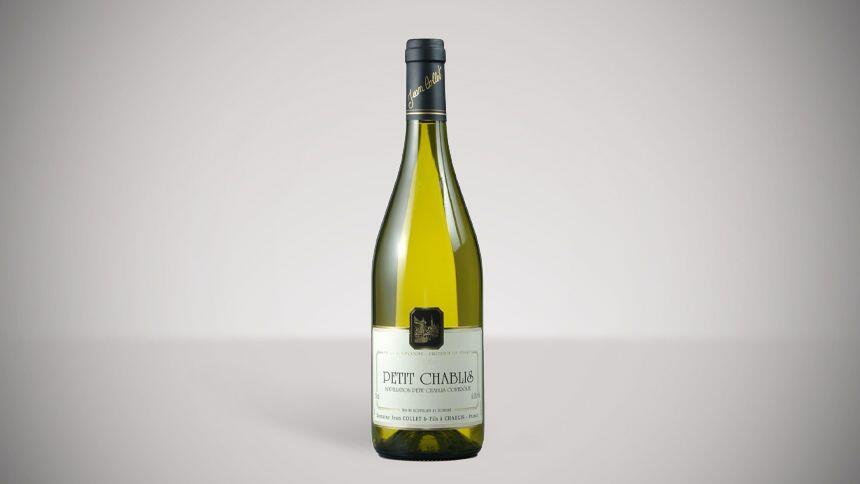
Chablis wines are not among the most expensive in Burgundy. They are classified into four levels: Petit Chablis, Chablis, Chablis Premier Cru, and Chablis Grand Cru (see the sequence of photos below) .
In Brazil, the price of Petit Chablis starts at around R$150, but can go up significantly depending on the producer — while the cheapest Burgundies are around R$250. Chablis Grand Crus, on the other hand, can reach tens of thousands of reais.
“The Chablis audience isn’t necessarily the same as the Burgundy audience,” Guilherme Lemes, CEO of the importer Clarets, tells NeoFeed . “Although Chablis is part of Burgundy and exclusively uses Chardonnay, the consumer profile presents some differences. Chablis is an excellent gateway to Burgundy.”
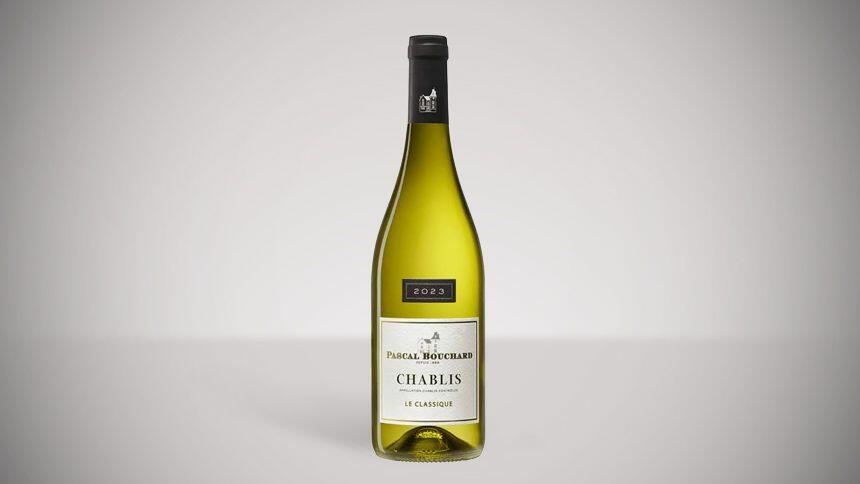
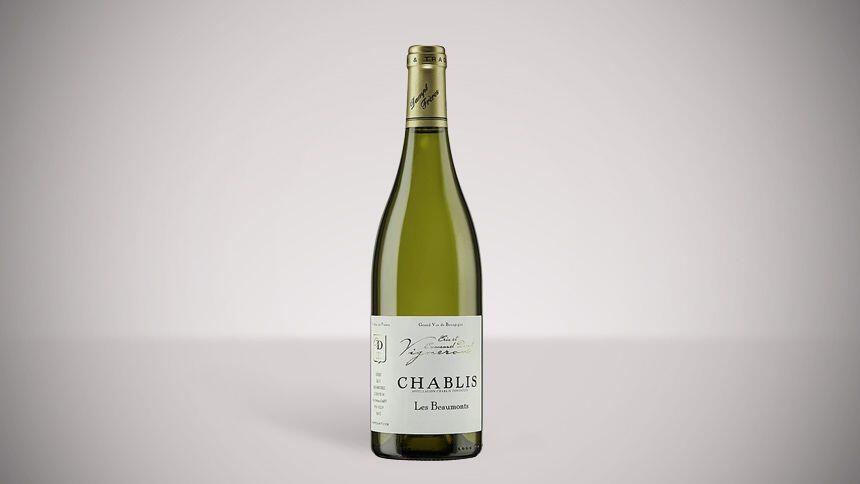
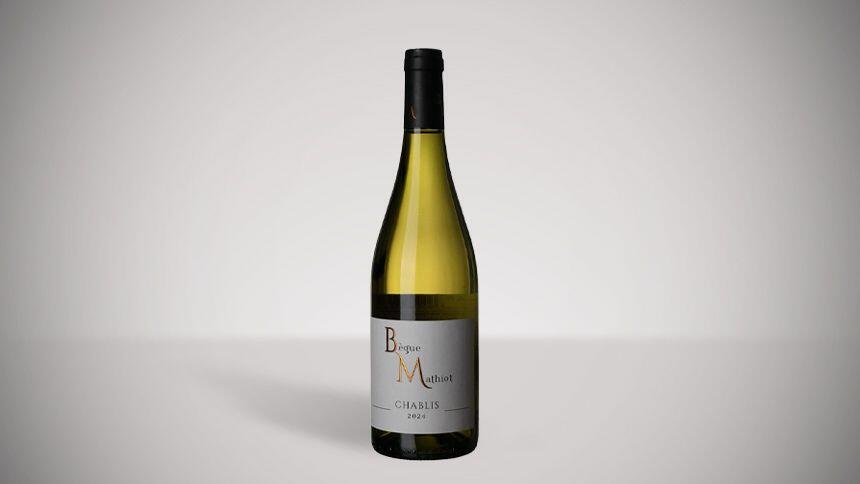
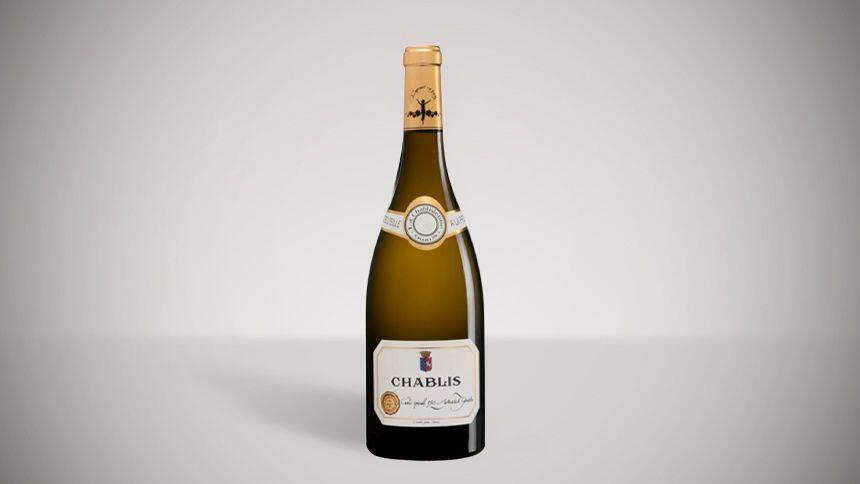
For Rodrigo Malizia, CEO of Cellar Vinhos, who in 2019 worked with only one Chablis producer and today does business with four, it is necessary to deal differently with the Chablis consumer: “It is important to value its distinct terroir , especially its characteristic minerality and salinity, avoiding styles with too much oak and prioritizing freshness.”
Other adjectives commonly associated with Chablis are: pure, precise, direct. “Chablis is a true lesson in terroir , demonstrating how the combination of natural factors directly influences the character of the wine,” the executive told NeoFeed .
The terroir of Chablis is quite unique. For many years, it was one of the European wine regions closest to the North Pole. Therefore, it has harsh winters and mild summers—which guarantees the acidity of the grapes. The soil is very rich in calcium carbonate, as it was once the seabed where shells and fish bones were deposited. This contributes minerality to the wine and also impacts the acidity: since the soil is alkaline, the vine reacts by producing more acid to balance the environment.
“There, the terroir speaks so loudly that it changes the perception of Chardonnay,” Brazilian Pryscilla Gashi, owner of Viti Wine Tours, a company that provides receptive services for wine tourists in Burgundy and surrounding regions, tells NeoFeed . According to her, the demand for tours of the Chablis region has also increased. As she recalls, tourists often say: “I don’t like Chardonnay, but I love Chablis.”
It may be a lack of information, but they're not entirely wrong. Chablis is unlike any other Chardonnay in the world—except for some New World wines that try to imitate it with relative success.
It is also different from the Chardonnays of the Côte de Beaune, where most of Burgundy's white wines are produced. There, the use of oak is the norm. In Chablis, it is not. Frequently, the wine only passes through stainless steel, cement, concrete, or any other inert material to maintain its freshness, fruitiness, and minerality. When oak is used, it is light.
“The main challenge remains the weather,” says Romain Collet of Domaine Jean Collet, imported by Premium Vinhos, in an interview with NeoFeed . “Spring frosts can be very severe and compromise part of the harvest. We also have to deal with increasingly extreme weather conditions. But this cold climate is also one of Chablis’ great advantages.”
According to him, the cold and Jurassic soil allow for the production of wines with great freshness, tension, and a strong minerality — a unique identity in the world.
But what will happen to Chablis production with global warming?
“A major challenge will be maintaining the balance with potentially less acidity and a higher alcohol content. One of the ways we have found to avoid this is to stop malolactic fermentation before the end to preserve acidity,” comments Florent Denieuil, producer of Maison Pascal Bouchard, imported to Brazil by Barrinhas, to NeoFeed . “But, for now, the wines still maintain a recognized and appreciated typicity.”