

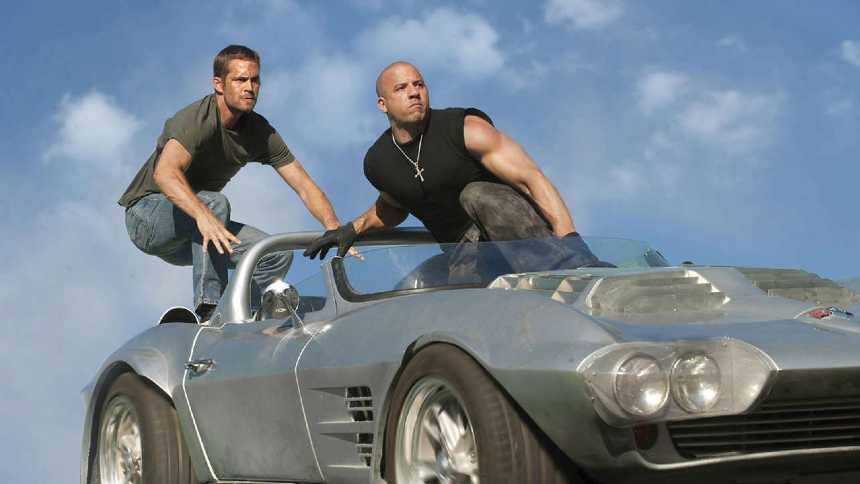
Cannes — Even Vin Diesel couldn't believe it when he learned that The Fast and the Furious (2001) would be celebrating its 25th anniversary at the Cannes Film Festival. "At the most prestigious film festival in the world, where every artist wants to be recognized?" asked the actor, who is the face of the billion-dollar franchise inspired by automotive culture.
In fact, Cannes primarily celebrates art-house and auteur cinema. And in this segment, where the candidates chosen by the selection committee compete for the coveted Palme d'Or, action films marked by illegal street races and robberies don't fit in. The action genre itself is viewed with a certain prejudice in this arena.
But the festival, currently in its 79th edition on the French Riviera, also has a strong business appeal. The largest film fair on the planet, generating between €500 million and €1 billion each year, takes place alongside the competitive section, with gala screenings at the Grand Théâtre Lumière.
Fast & Furious is undeniably a model of success. Released on June 22, 2001 in the United States, the first film grossed over US$207 million worldwide, having been made with only US$38 million.
That was all it took for the title to launch a film franchise that has already surpassed the US$7.4 billion mark in worldwide box office revenue, with 10 feature films released. And the franchise ranks eighth in the list of the most profitable of all time — led by the productions of the Marvel Cinematic Universe, with more than US$32 billion, with 37 titles.
“I’m not sure if we would have included Fast & Furious in the competition,” joked Thierry Frémaux, general director of the Cannes Film Festival, at a press conference attended by NeoFeed . “But the film is a phenomenon in the contemporary history of cinema,” he added, justifying the presence of the Universal Pictures title on the Boulevard de la Croisette.
Fast & Furious was selected for the Cannes Classics section, dedicated to the memory and history of cinema. It was screened at the Séance de Minuit, with the presence of star Vin Diesel, actresses Michelle Rodriguez and Jordana Brewster, and the daughter of actor Paul Walker, who died in a car accident in 2013 while the seventh film was in production. "The midnight screening is perfect because it has that spirit of adventure," added Frémaux.
He emphasizes that "cinema made for the masses" is respected in Cannes. And it's important for the studios too, because it generates a lot of money. There are many films. And with another one on the way," continued the director-general, referring to the 11th feature film, which is in production and is scheduled for release in 2028.
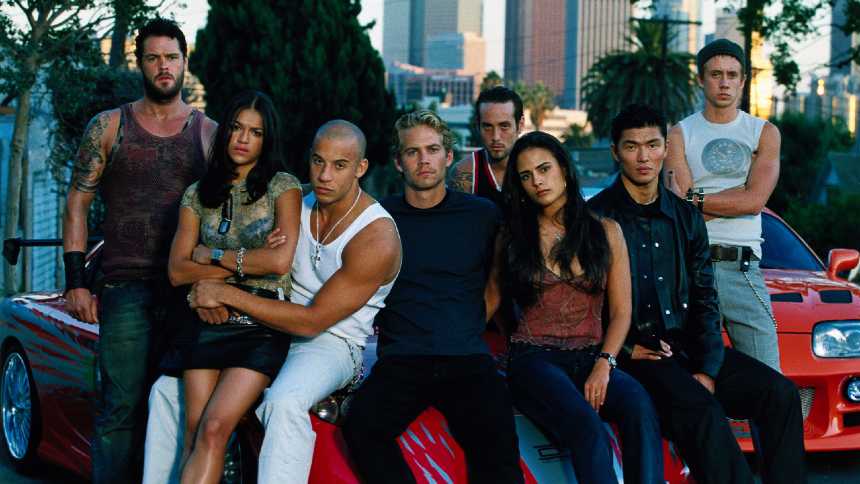
But what makes Fast & Furious a success? "This was the film that introduced the concept of brotherhood to our millennium," ventured Vin Diesel, addressing the franchise's popularity at the Lumière cinema, in front of more than 2,000 people who packed the theater.
The notion of "family" and "friendship" is part of the franchise's cultural impact. It's what brought a layer of depth to the scripts, going beyond stories that highlight muscular bodies, the roar of car engines, and electrifying races.
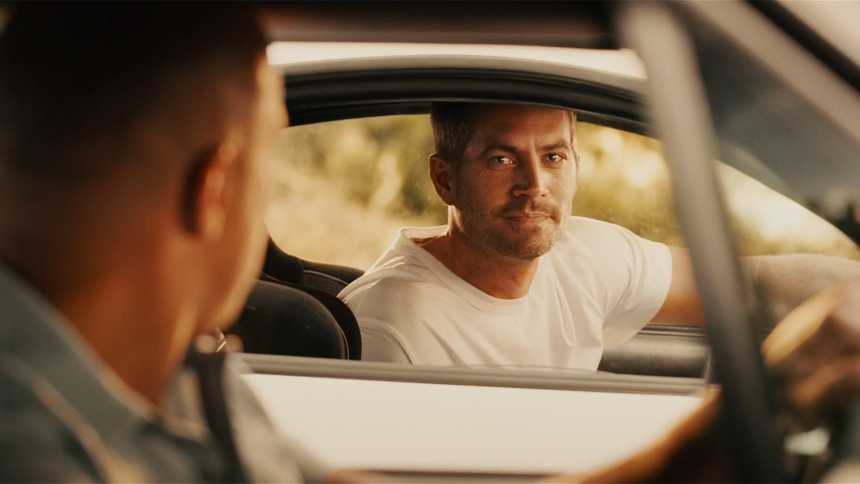
The entire universe here was developed from the unlikely bond between street racer Dominic Toretto (Vin Diesel) and undercover cop Brian O'Conner (Paul Walker) investigating a gang that uses souped-up cars to steal trucks carrying electronics. They begin the saga as adversaries, but as O'Conner becomes involved with Toretto's sister, the cop ends up becoming a criminal.
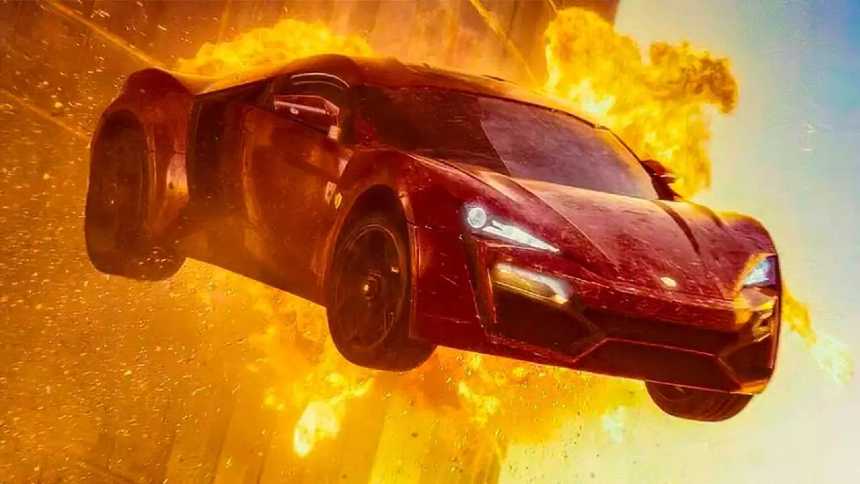
Beyond the idea of "family" (whether biological or adopted), which resonated with audiences, Fast & Furious built a legacy by pushing the boundaries of action scenes. The franchise became a benchmark for blockbusters in the genre, going further in each new film in terms of daring maneuvers. And without excessively relying on special effects in chase scenes, crashes, and other crazy stunts, like making cars parachute into the air.
The franchise was also one of the pioneers in betting on an ethnically diverse cast, which helped its global reach. Its longevity is also explained by its ability to reinvent itself, to bring in new characters, and to popularize automotive culture with the so-called "tuned cars," those that undergo mechanical and aesthetic modifications, gaining the personality of their owner.
All of this led the Fast & Furious universe to cross borders, transforming into a media franchise that today also encompasses short films, animated TV series, video games, toys, car shows, and theme park attractions.
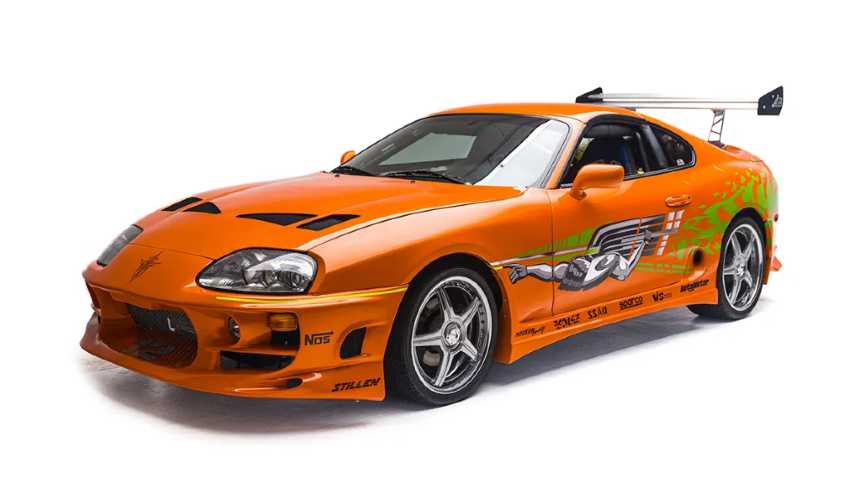
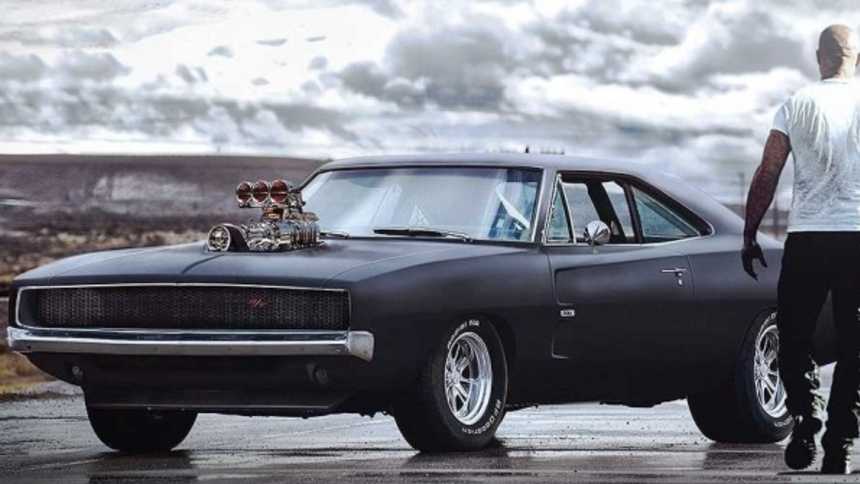
Since March, the Petersen Automotive Museum in Los Angeles has been presenting the exhibition "A Fast & Furious Legacy: 25 Years of Automotive Icons ." The show includes some of the vehicles that helped bring speed to the saga, such as the black 1970 Dodge Charger, one of the most popular in the franchise, driven by Vin Diesel.
Another highlight is the orange 1993 Toyota A80 Supra that Paul Walker drove in the first adventure. The vehicle was loaned to the museum by the collector who won the car at auction in 2015 with a bid of US$185,000. It was with the Supra that the actor filmed the final scene, in a race with Vin Diesel, who ends up flipping his Dodge Charger.