


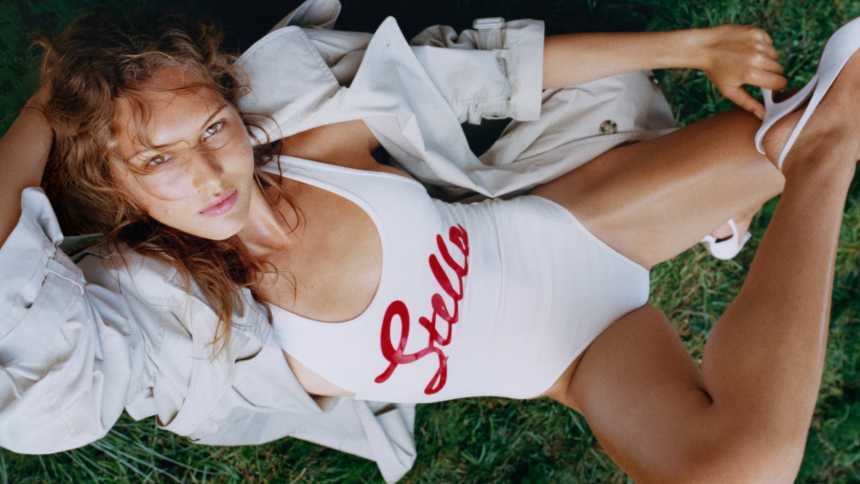
Stella McCartney has once again blurred the lines between discourse and practice. On Thursday, May 7th, the arrival of her collection at H&M renewed the unease surrounding a partnership that, while commercially powerful, exposes contradictions that are difficult to ignore.
At 54, the English designer is one of the most powerful voices in the defense of ethical fashion . In 2001, long before sustainability became an industry imperative, her brand was born under the commitment to responsible luxury . Therefore, it seemed unlikely that the designer would form a new collaboration with a fast fashion brand.
"New" because Stella had already worked with the Swedish giant in 2005, on a line that sold out in a few hours. That year, H&M achieved record levels of profitability and closed the year with a net profit 23% higher than in 2004. The designer, in turn, consolidated her name globally and proved her commercial relevance.
Twenty-one years ago, the union between the two brands may have caused some surprise, but it was celebrated for its innovation. Stella McCartney was the second fashion house to partner with a major retailer—following the initial success of the partnership between Karl Lagerfeld and H&M a year earlier.
"Back then, it was believed that fast fashion could democratize fashion," says Lorena Borja, trend researcher and founder of the consulting firm Lollab, in an interview with NeoFeed .
The socio-environmental debate, still in its early stages, was overshadowed by optimism surrounding a movement that promised to expand access to luxury.
Today, however, the scenario is different. The combination of growth and sustainability has proven more complex. And what seemed like a natural evolution of the sector has become a permanent challenge, while demands from investors, organizations, and some consumers have intensified. Perhaps that's why the new collection now sounds a little more uncomfortable.
Although both brands are celebrating the partnership, it's far from being just a nostalgic return to an iconic moment. Both are reuniting under significant pressure.
Having recorded no profit since 2017, the British fashion house accumulated losses of around US$40 million in 2024—over the last nine years, the total losses amount to between US$220 million and US$230 million. At the company's top management, the alarm has already sounded: without new financing, the brand could face a cash shortage in 2028.
Furthermore, in January 2025, Stella bought back the 49% stake that belonged to LVMH , assuming full control of the business after six years under the umbrella of the world's largest luxury conglomerate . The designer justified the decision as being to ensure greater "creative autonomy"—but it also increased the financial risk.


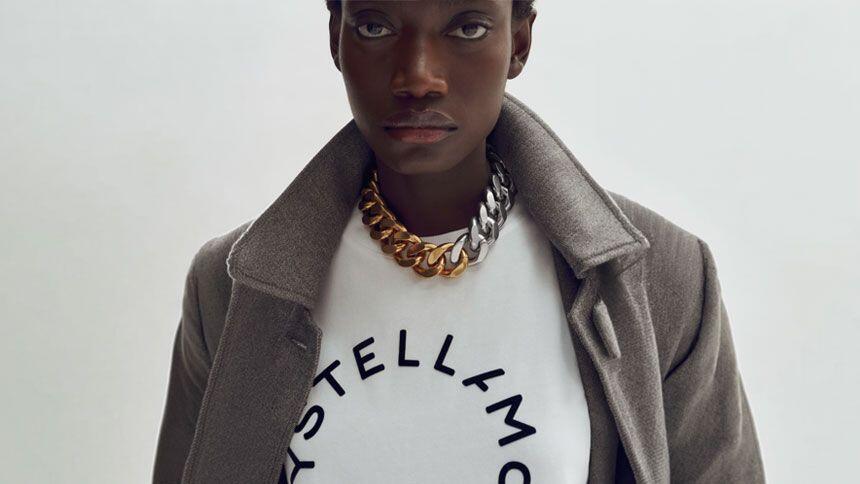
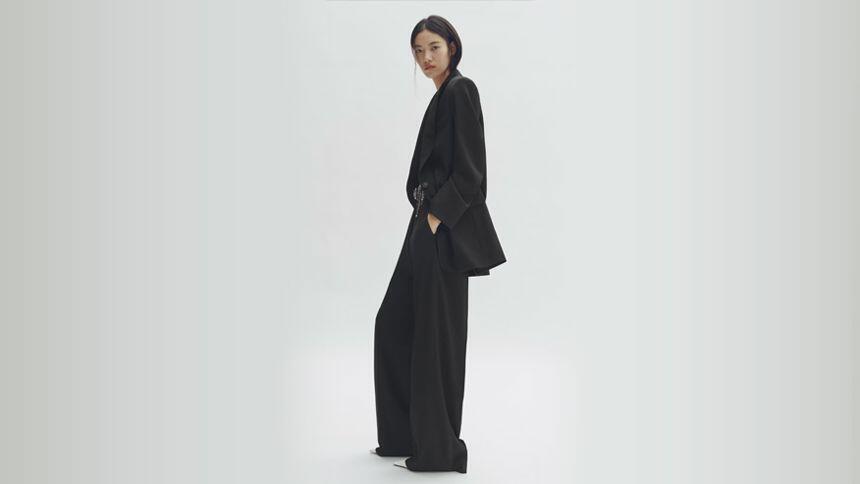
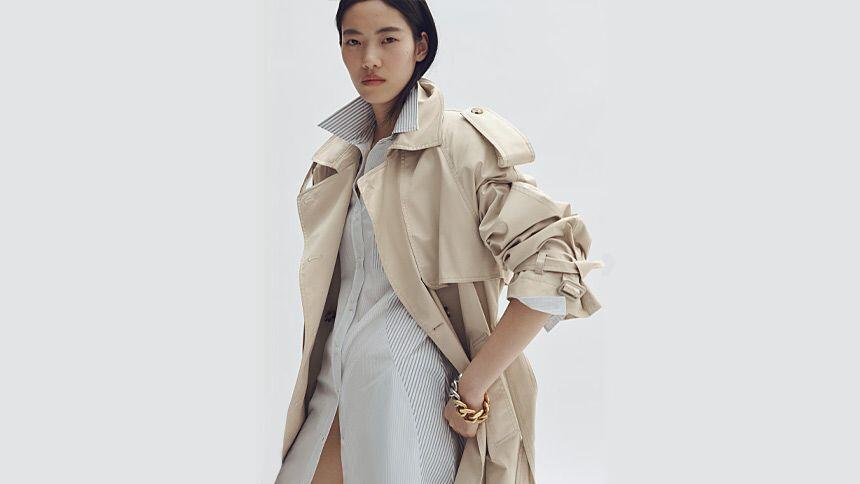
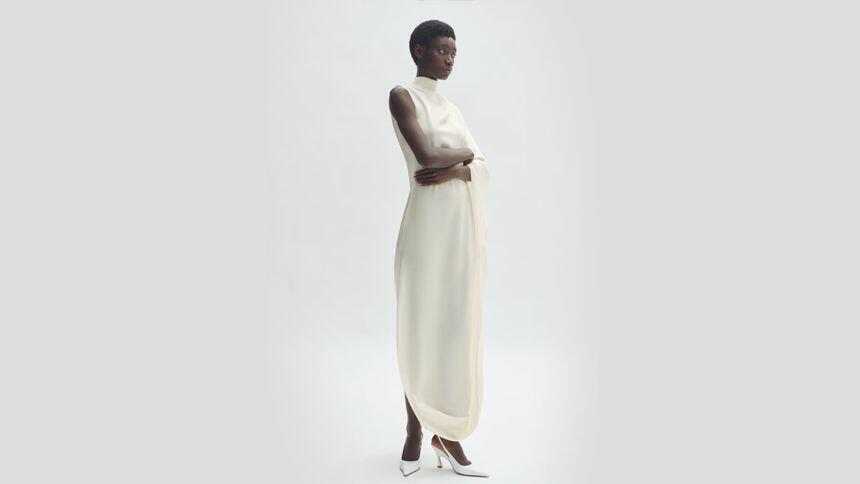
H&M, on the other hand, has lost half of its market value since 2015, according to the Business of Fashion platform. Currently valued at around US$26 billion, it has fallen behind the Chinese company Shein and the Spanish company Zara , which are more agile and digital.
The results for the first quarter of 2026 show some signs of recovery. The 26% profit growth, however, comes from operational efficiency, not from a recovery in demand.
Meanwhile, the company is trying to bring sustainability to the center of its discourse. Despite reductions in carbon emissions and increased use of eco-friendly materials, H&M faces accusations of greenwashing —a problem not only for the company, but for the entire fast fashion industry.
On socio-environmental performance platforms, such as Good on You , the retailer even appears ahead of its direct competitors. However, this does not make it sustainable. It only places it among the "least bad" in a highly problematic sector.
What is said and what is done.
The designer justifies the partnership as a means to raise ecological awareness. "I've always believed in infiltrating the industry to drive transformation from within," she says in a statement.
By demanding that H&M follow her production methods, Stella would force the Swedish giant to adapt to cleaner standards.
"Producing a collection doesn't contribute to solving the problem—and this action doesn't seem genuine," counters Borja, who holds a master's degree in design management and a postgraduate degree in sociology. "It's not possible to be sustainable in fast fashion ."
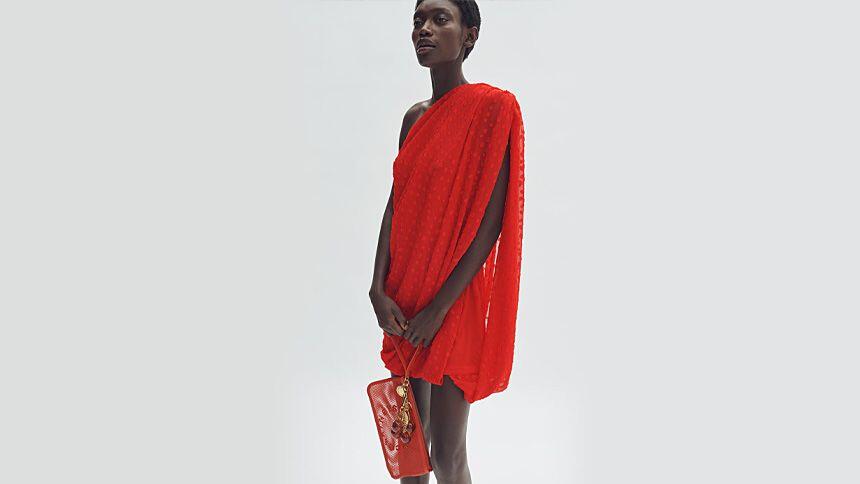
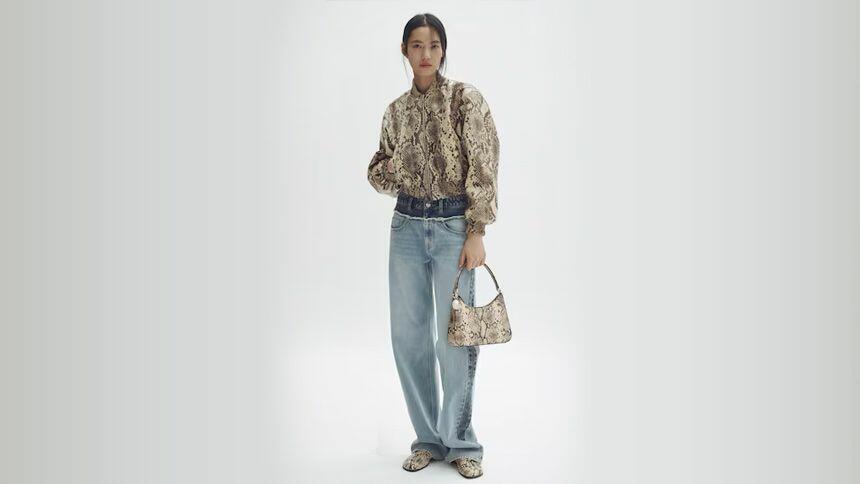
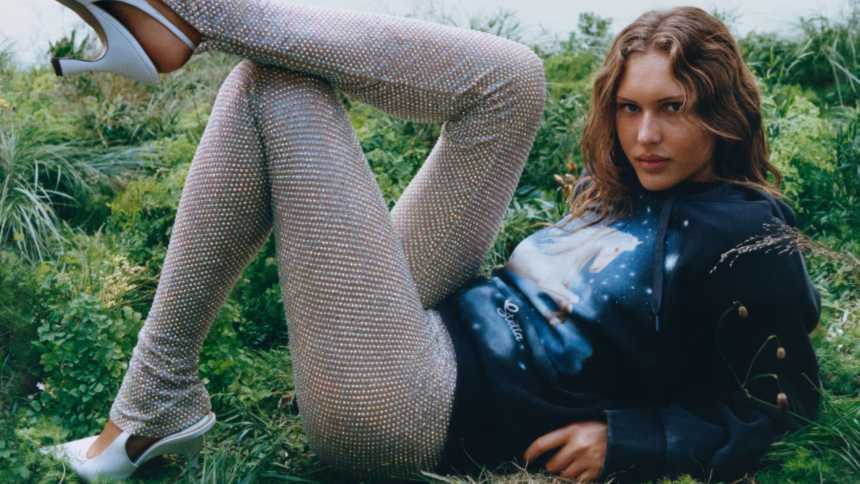
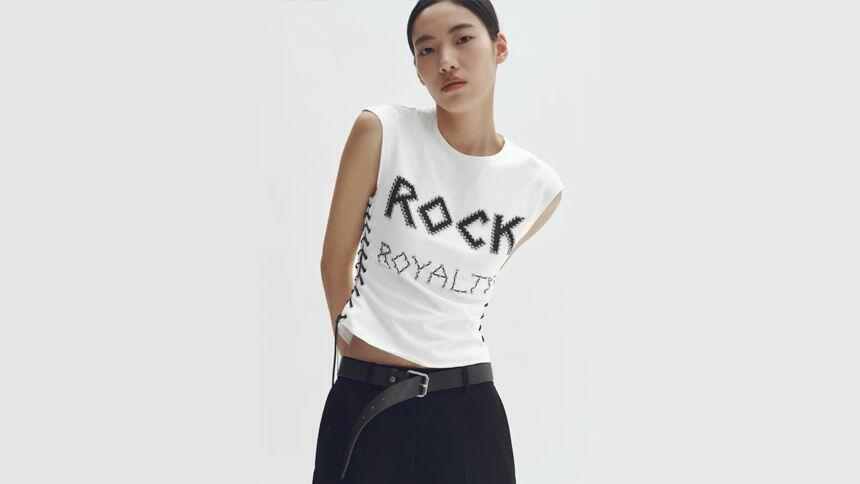
Herein lies the central ambiguity of the Stella McCartney + H&M line. Ethical fashion isn't just about well-tailored clothing made from certified wool (see some pieces from the new collection in the photo sequence above) .
The revolution also demands small-scale production, transparency, and a fight against hyperconsumption. In other words, everything that fast fashion doesn't do—and isn't capable of doing.
Currently, 58% of the clothing sold worldwide is produced under the logic of planned obsolescence, volume, and speed — a market valued globally at nearly US$230.4 billion and projected to reach US$304 billion by 2035.
And it's not for lack of information about the harms of the fashion industry that fast fashion grows.
As advertising executive Marc Beckman told The New York Times in 2023, "Many people will ignore the problem just to enjoy a little luxury."
According to a British study, 94% of Generation Z consumers support more ethical processes, but 62% of them buy fast fashion items at least once a month. "Here, the gap tends to be larger due to the purchasing power of the Brazilian population," Borja points out.
Today, not only do we buy 60% more clothes than we did 15 years ago, but we also get rid of them more quickly, according to a UN survey. A garment is worn, at most, ten times, the expert points out.
H&M may be one of the biggest buyers of organic wool on the planet, but there isn't enough organic wool on the planet to keep up with such a fast pace.
In the current stage of development of the fashion ecosystem, innovations in materials and processes are still expensive—at least two to four times more than the traditional model.
By all accounts, the Stella McCartney + H&M collection has already been a success. Less than two hours after its launch, many items were already "unavailable" on the company's websites. In some cities, such as Dublin, queues began forming four hours before the store opened.
In the end, ethics and sustainability in fashion ceased to be merely values—they became a narrative. And, like all narratives, they adapt to convenience. Whether to boost sales, improve reputations, or fuel the desire for exclusivity.