


"If we want everything to stay the same, everything has to change." This phrase by Tancredi Falconeri in Giuseppe Tomasi di Lampedusa's The Leopard perfectly defines the current state of the global premium wine market.
With global warming altering the cycle of grapevines, in order to maintain the excellence of their labels, some of the most renowned producers have begun to break with traditional designation of origin seals , such as AOC and DOC.
At first glance, the decision seems contradictory. But more frequent heat waves, prolonged droughts, varietal limits, vineyard management restrictions, and strict sensory requirements began to show the limitations of a system designed for a different climatic reality. The AOC label, the oldest, for example, was created in 1935. And the DOC, in 1963.
“The designations are exposing a weakness that has always existed, which is confusing territorial protection with quality assurance,” says Cédric Grelin, head of imports atMistral , in a conversation with NeoFeed . “For decades this equation worked because the climate was stable and the traditional grape varieties produced, under those conditions, the best possible wines in those plots of their composition. But that is changing.”
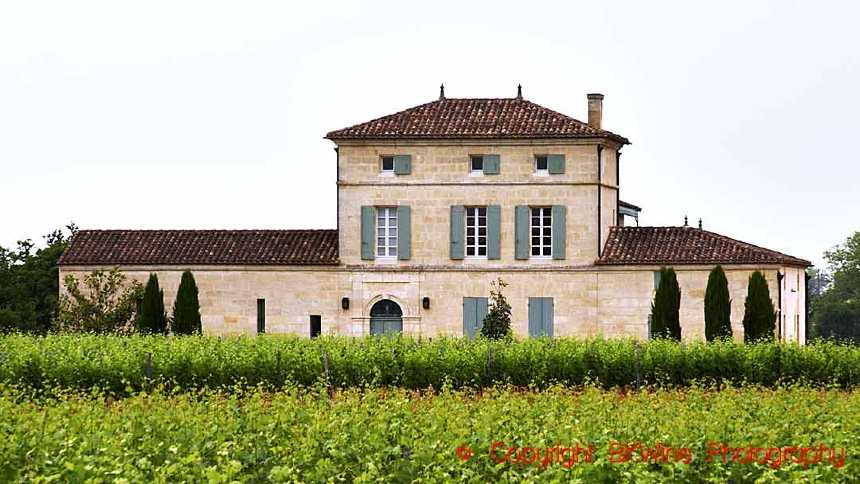
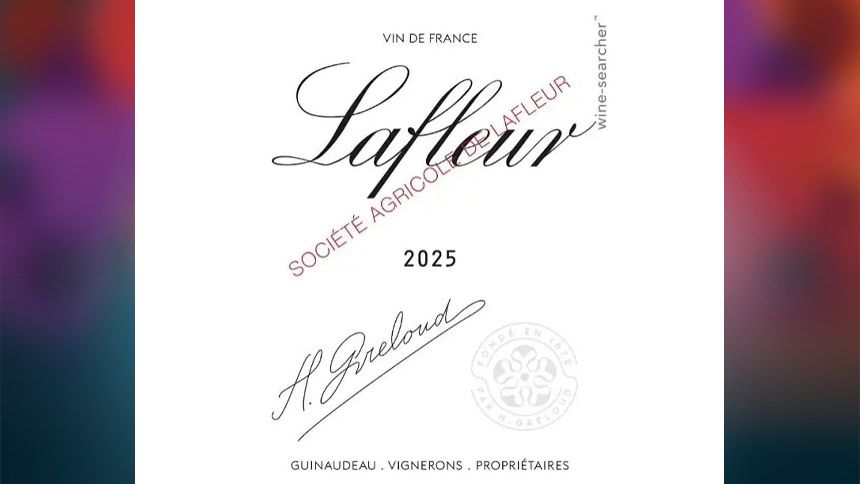
The most telling example comes from Bordeaux . This year, the legendary Château Lafleur debuted on the en primeur circuit with a historic change: the prestigious Pomerol appellation is no longer featured on its label. In its place is the Vin de France classification, which began to be applied to bottles from the 2025 vintage. The change was announced last year by the Guinaudeau family in a letter sent to distributors and opinion leaders.
In it, the owners of the winery, which spans only 4.5 hectares and was founded in 1872, explain the reason for their decision: "This is not a denial of the past, but a commitment to the future."
According to the statement, the current designation system imposes restrictions, such as the prohibition of certain water management techniques and planting densities, which prevents the protection of vines from extreme stress.
"At Lafleur, our loyalty is to the terroir and to the excellence of what we deliver to our collectors. We change to remain the same... In the end, what matters is the family signature on the label, the only guarantee of quality," the statement reads.
Alongside Château Lafleur itself, one of Bordeaux's most sought-after wines and a benchmark in the world of collectors, are other products from the house: Les Pensées de Lafleur, Les Perrières de Lafleur, Les Champs Libres, Grand Village Rouge and Grand Village Blanc.
In addition to premium producers, prestigious houses have also begun to abandon traditional labels and, in the name of quality, have adopted more flexible systems, such as IGP and IGT.
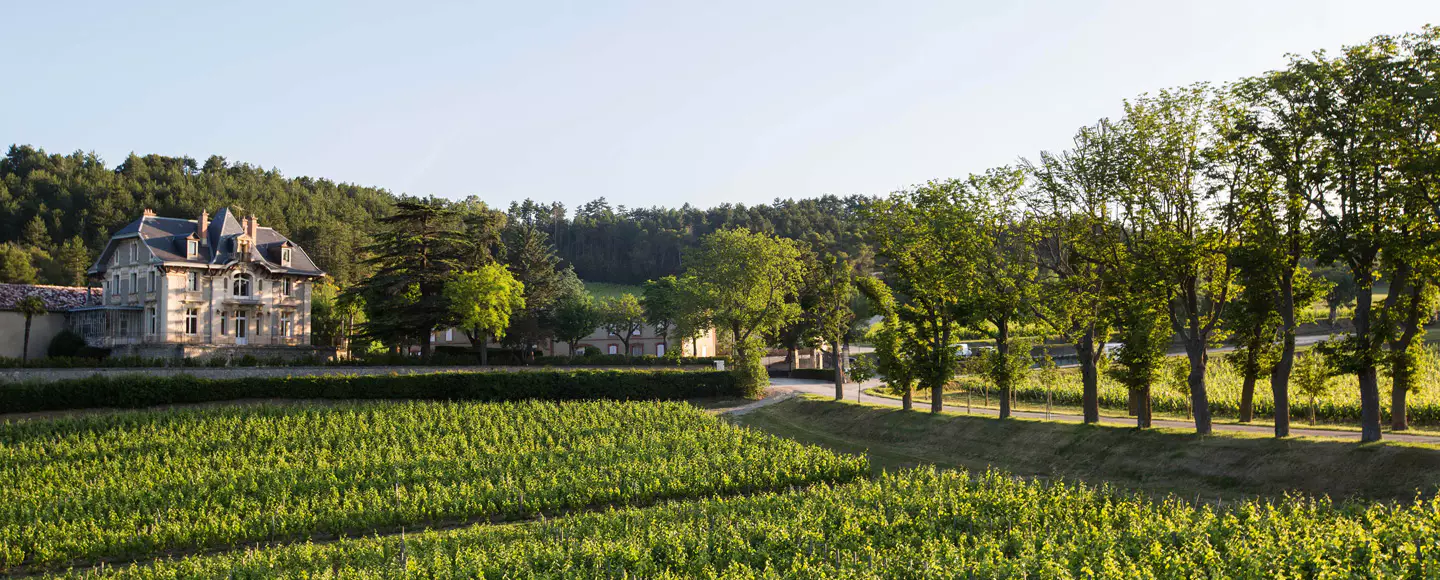
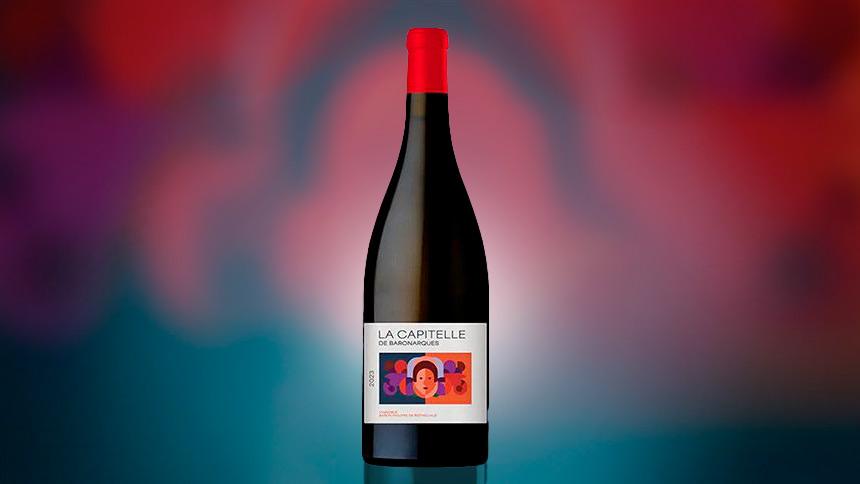
At Domaine de Baronarques, owned by the Rothschild family , their La Capitelle de Baronarques left the AOC Limoux Rouge and has been marketed as IGP Haute Vallée de l'Aude since the 2023 vintage. To preserve the wine's balance and elegance, they had to change the official composition, giving greater weight to Syrah than to Merlot in its blend.
In this region, to guarantee the AOC seal, Merlot needs to have a greater presence.

There are also highly prestigious projects that have been created without concern for designation labels.
At Château Marjosse , the personal property of Pierre Lurton – the name behind the celebrated Cheval Blanc and d'Yquem wines – they produce Anthologie de Marjosse Cuvée Chardonneret, a 100% Chardonnay white wine produced in Bordeaux, which circulates in the market as Vin de France because the grape variety is prohibited by local regulations.
The curious side of this paradigm shift is becoming increasingly apparent in auctions and other secondary market operations.
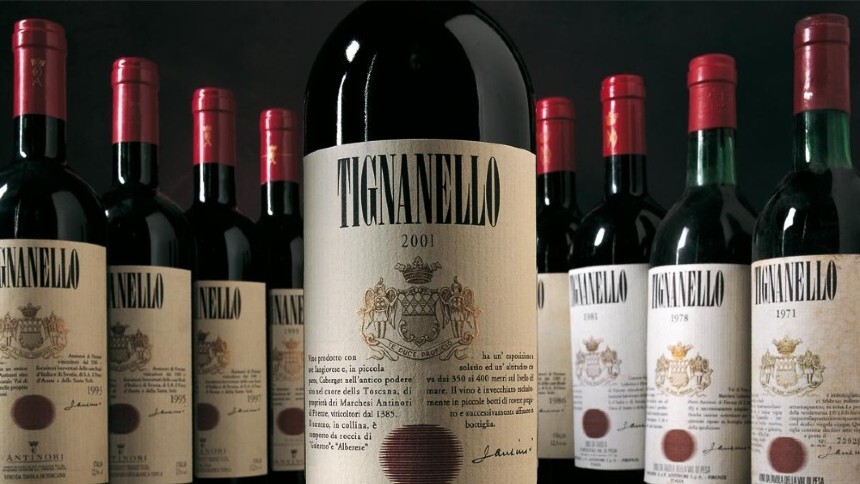
"Wines labeled bureaucratically as Vin de France or IGT are reaching prices higher than those of labels from the same region that have an official designation," says Grelin.
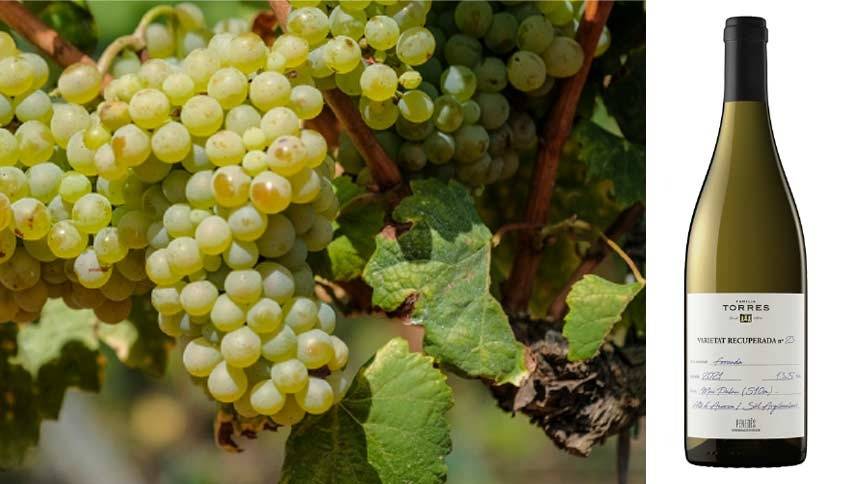
But not all winegrowers readily abandon the system. In Catalonia, Spain, the Torres family chose to use their prestige to lobby for changes in the law. It took a long time, but the work of recovering ancestral grape varieties bore fruit in 2018, when the heat-resistant Forcada grape was authorized by the Penedès DO.
Thanks to all these developments, an official response seems to be taking shape in Brussels. The new European regulation (EU 2026/471), the Wine Package , came into force in March 2026, aiming to provide greater flexibility for wine production — covering everything from financing irrigation systems to authorizing more resilient grape varieties.
Implementation still depends on the participation of each regional council, the local bodies that hold the ultimate power to update the statutes of each denomination and authorize, in practice, the approved changes.
While the institutional debate progresses at a much slower pace than the urgency in the fields, producers continue to seek solutions to ensure that bureaucratic laws do not interfere with the quality and essence of their wines. The outcome of the regulatory package currently under consideration remains uncertain.
But Grelin makes an important point: “The real risk lies in deregulation without anchoring. Large brands with lobbying power can obtain concessions that favor them individually without the benefit being distributed across the denomination, creating a double standard, where the powerful are served and the smaller ones are burdened,” he states.
To avoid distortions, the expert argues: "Regulatory bodies need to act with greater vigilance in the coming years, ensuring that climate reforms are systemic and equitable — and not just instruments for market concentration."