

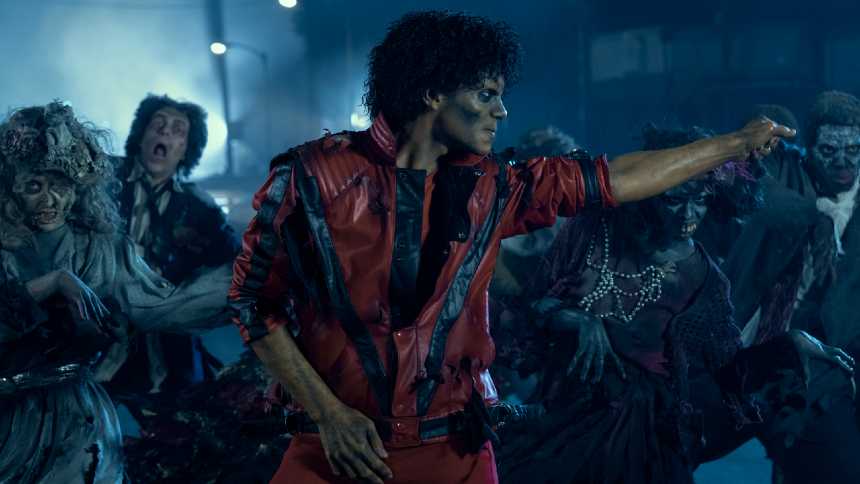
During the filming of the "Thriller" music video in 1983, Michael Jackson reportedly asked director John Landis to film the zombie dance number in a wide shot, avoiding close-ups. "Fred Astaire believed that without seeing the feet, the audience didn't feel like they were really watching the dance," the "King of Pop" is said to have stated.
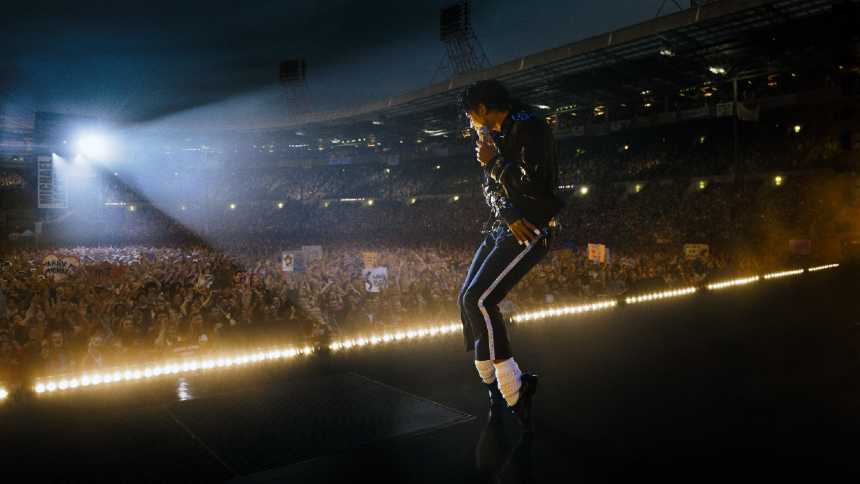
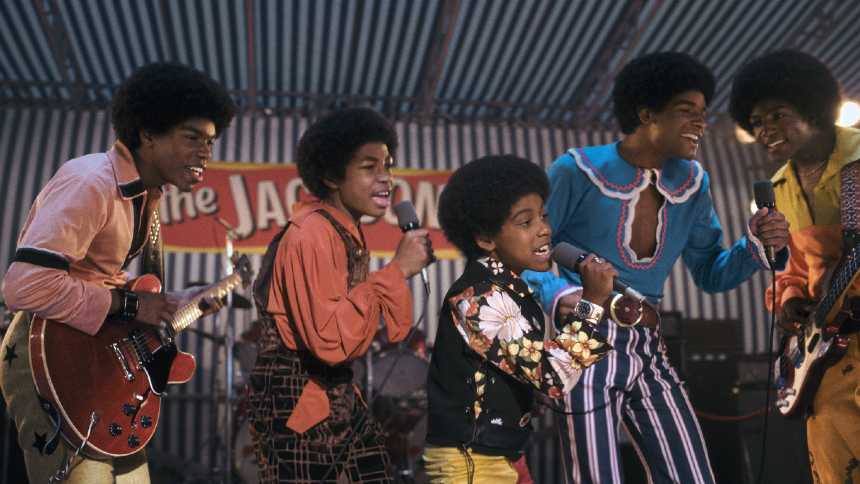
The moment is recreated in the biopic Michael , focusing on his transition from child singer in his family's band to solo career – culminating with the Bad tour show in London in 1988. Throughout this period, there are many insights into his artistic influences, creative process, and a glimpse into the formation of the icon who revolutionized the music scene in the 1980s.
In the film that has just arrived in theaters, we see how the star's obsession with the character Peter Pan was born, as well as the old Hollywood movies that Jackson most enjoyed watching on TV with his mother. Among his favorites were classics by Charles Chaplin, Fred Astaire, and the Three Stooges.
One scene recalls how the star arrived at the choreography for the Beat It video (1983), working with street dancers and members of rival gangs. Also reenacted here is the first time Jackson's feet publicly performed the famous moonwalk , in a 1983 TV special, which became his signature move on stage.
This is the most interesting aspect of the film, which avoids controversy and focuses more on celebrating the singer's legacy.
Michael was tailor-made for the fans, treating them to long musical performances, leaving the audience wanting to get up from their seats and start dancing.
This is a long-standing project of music producer Graham King, the man behind the Freddie Mercury biopic, Bohemian Rhapsody, which grossed over $910 million worldwide and won four Academy Awards.
King secured the rights to Jackson's life and music through his estate, which is managed by John Branca and John McClain, who serve as producers here.
Directed by Antoine Fuqua, best known for the police thriller Training Day (2001), Michael featured the involvement of most of the artist's family. To begin with, Jaafar Jackson, the singer's nephew and son of Jermaine Jackson, plays him in adulthood.
And his work has been praised not only for his physical resemblance, but for perfectly imitating his uncle's way of speaking and dancing. The young Jackson is played by child actor Juliano Krue Valdi, who also impresses with his contagious energy when he takes the stage during the rise of the Jackson 5.

From the family, the one who turns her nose up at the biopic is the singer's daughter, Paris Jackson (from his marriage to Debbie Rowe). The heiress publicly criticizes the project, considering it "softened," "dishonest," "inaccurate," and "a lie." In her words, much of the film appeals to a specific segment of Jackson's fans, "those who still live in fantasy."
Michael is what is called in Hollywood a "sanitized" film, even though the title addresses the mistreatment the singer suffered at the hands of his father.
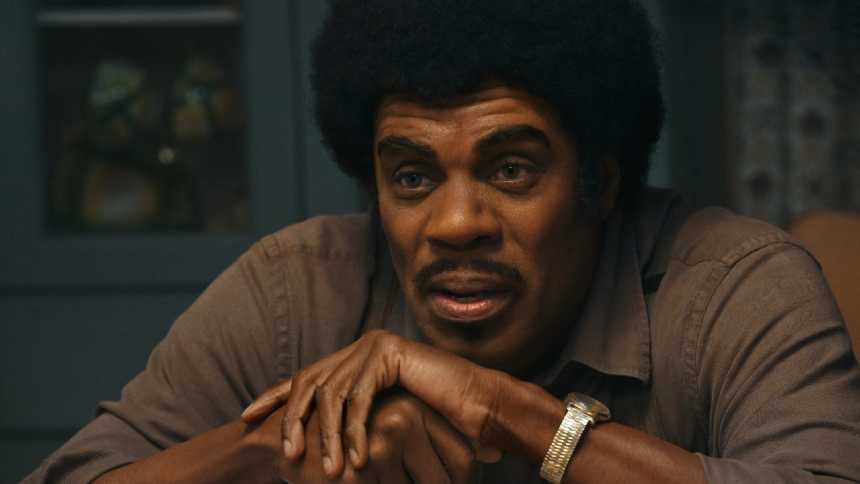
He was a victim of physical and psychological violence in the name of the family's musical success, which explains, to some extent, his obsession with Peter Pan. Treated almost like a slave at home, especially during his childhood, the boy turned to J.M. Barrie's book to escape reality.
But even while portraying the toxic relationship with his father (played here by actor Colman Domingo), the production follows the safest path of biopics. That is, the script written by John Logan protects the idol's image at all costs.
Jackson is portrayed as a naive and asexual young man, preferring to live in the company of chimpanzees, giraffes, or snakes, which he didn't define as pets, but rather as "friends." This likely explains the "fantasy land" criticism leveled by the singer's daughter.
The darker side of the star's life, which includes accusations of child sexual abuse, is ignored. The chosen focus seems deliberate in this omission, as the biopic ends in the middle of his first world tour as a solo artist in 1988.
The first allegations of pedophilia surfaced in 1993. That year, dentist Evan Chandler accused the star of sexually molesting his son, Jordan Chandler, who was 13 years old at the time. The case ended with an amicable settlement worth over US$20 million.
There are rumors about a second film about Jackson, which would pick up the singer's story where it left off here. If a sequel is confirmed, it will be much more difficult to avoid the most controversial passages of Jackson's life, who died prematurely in 2009 at the age of 50, a victim of drug intoxication.
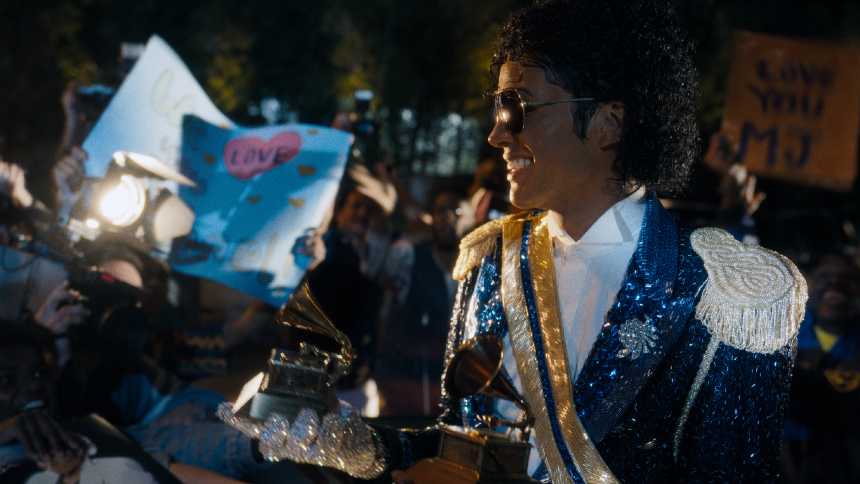
For now, Michael is definitely worth the price of admission for die-hard fans. Especially if the idea is to relive some of the star's best performances at the height of his popularity. The recreations of music videos and performances are meticulous, reproducing shot by shot and step by step.
You can almost feel the same electricity as in the original scenes, especially the performance of Billie Jean in the Motown 25: Yesterday, Today, Forever special, recorded in 1983.
Wearing a black sequined jacket, a white glove with crystals on his left hand, and shorts that drew attention to his black loafers and shiny white socks, Jackson mesmerized the world with the moonwalk . And the moment went down in history as one of the most iconic in music and pop culture.